


The Forgotten Fruit
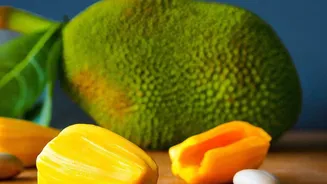
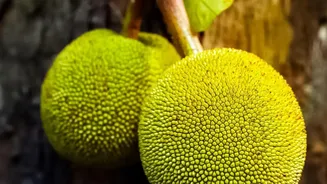
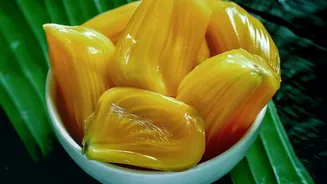
For generations, the jackfruit tree was a fixture in almost every Keralan home, a symbol of abundance and a reliable source of sustenance. Known to be the world's largest tree-borne fruit, its presence was so deeply woven into the fabric of daily life
that its value was often overlooked. Historically, it was a saviour during times of food scarcity, a versatile ingredient that could be cooked unripe in savoury dishes or eaten sweet when mature. However, as prosperity grew and rice became more accessible, the perception of jackfruit shifted. Its cumbersome size and the sticky, labour-intensive process of preparing it led many to neglect it, and it was often dismissed as a 'poor man's food'. Tonnes of the fruit would go to waste each season, left to rot in backyards, a forgotten giant of the region's rich agricultural heritage.
A Renaissance on the Plate
The revival of the jackfruit began with a shift in perspective. A growing global interest in plant-based diets and superfoods cast a new light on this nutritional powerhouse. Rich in fibre, vitamins, and minerals, unripe jackfruit gained fame as a meat substitute for its texture and as a healthy carbohydrate alternative for managing blood sugar. This newfound appreciation from the outside world sparked a renewed interest within Kerala. In 2018, in a move to celebrate its cultural and economic significance, the Kerala government declared the jackfruit its official state fruit. This formal recognition was a turning point, catalysing efforts by entrepreneurs, farmers, and government bodies like the Jackfruit Promotion Council to restore the fruit to its rightful place in the state's culinary identity.
From Backyard to Global Market
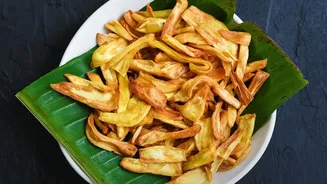
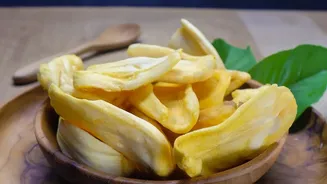
The movement is powered by innovation. Small-scale entrepreneurs and self-help groups, often supported by Krishi Vigyan Kendras, are transforming the perishable fruit into value-added products with a long shelf life. Supermarket shelves now stock an array of jackfruit products, from vacuum-fried chips and ready-to-cook tender jackfruit to flour, noodles, and pickles. Companies have started producing jackfruit pulp, powder, and even ice cream, supplying a growing domestic and international market. This cottage industry boom is not only preventing massive wastage but also creating new economic opportunities for farmers and local communities, turning a once-free backyard fruit into a source of income.
Reimagining Traditional Tastes
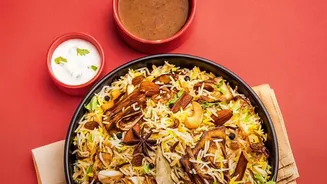
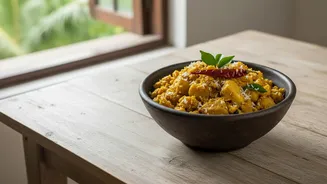
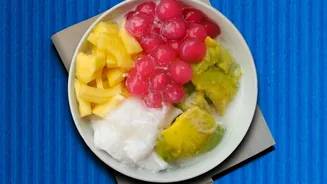
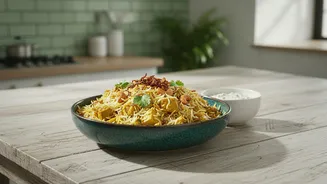
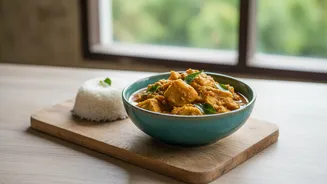
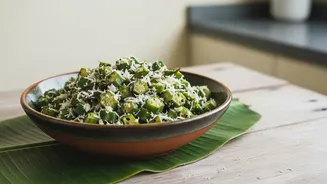
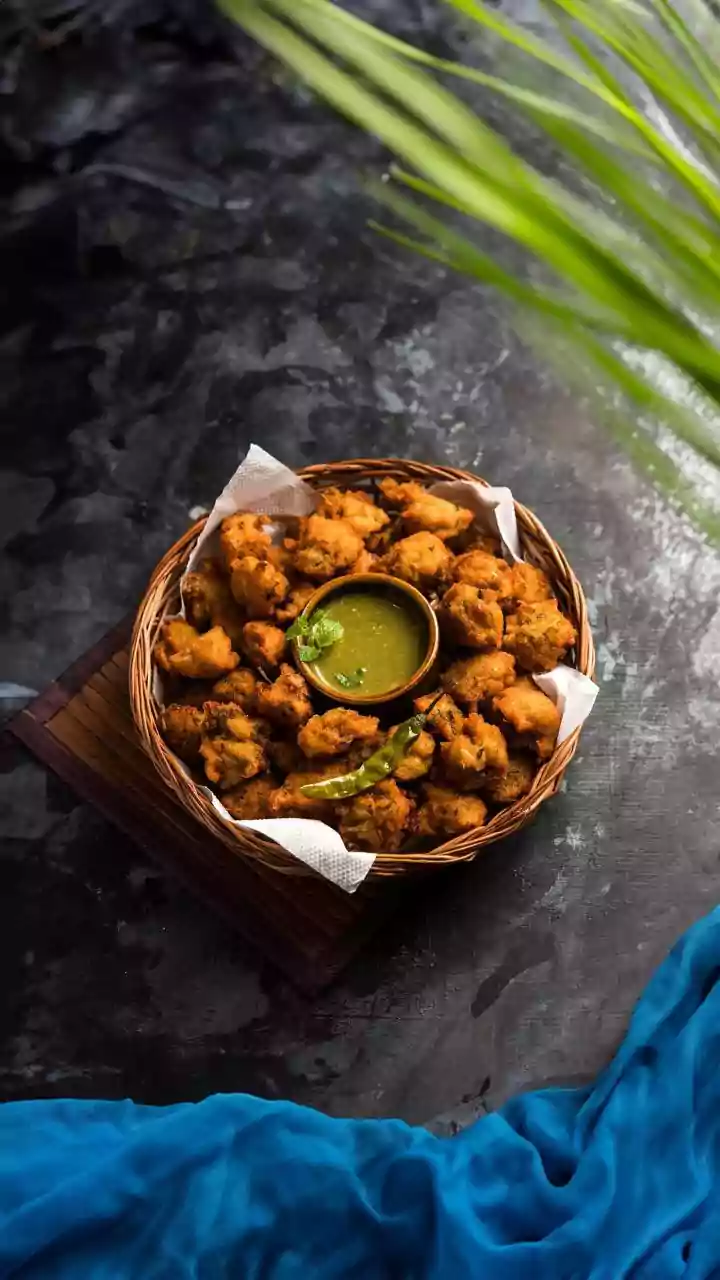
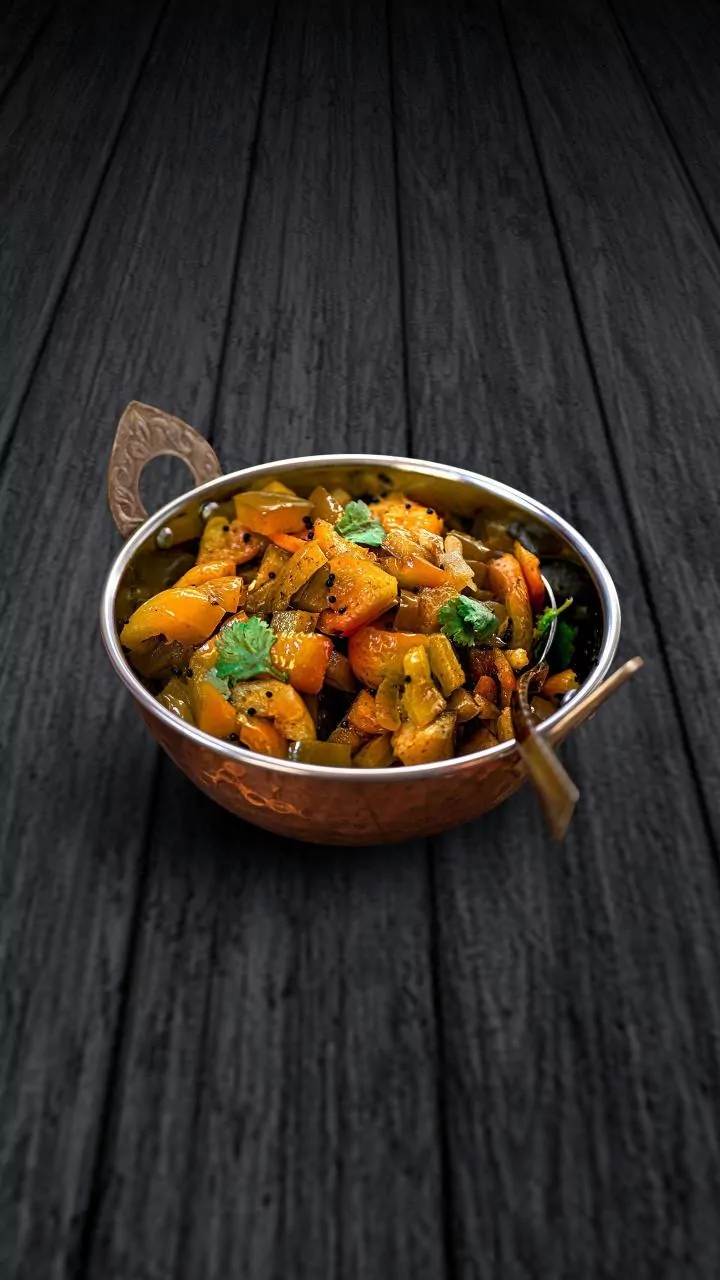
At the heart of this revival is the kitchen. Chefs and home cooks across Kerala are breathing new life into age-old recipes and inventing modern classics. Traditional dishes like 'chakka puzhukku' (a mash of raw jackfruit and coconut) and 'chakka erissery' (a curry served during festivals like Onam) are being celebrated once more. Unripe jackfruit, known as 'idichakka', is used in stir-fries called thorans. Beyond tradition, the fruit's versatility is being explored in contemporary cuisine, appearing in everything from biryanis and burgers to dosas and desserts like 'chakka pradhman' payasam. This culinary creativity ensures that the jackfruit is not just a relic of the past but a dynamic ingredient shaping the future of Keralan food.