



As a familiar chill settles across India, our kitchens naturally shift gears. It's the season for hearty, warming foods that do more than just fill us up—they comfort, nourish, and connect us to age-old traditions of seasonal eating.
Hearty Greens: The Classic Sarson da Saag
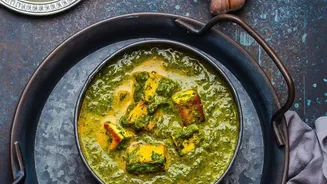
No winter in North
India is complete without Sarson da Saag served with Makki di Roti. This iconic Punjabi dish is made from mustard greens (sarson), often blended with other leafy greens like spinach (palak) and bathua for a balanced flavour. Traditionally slow-cooked to a creamy, coarse texture, it is rich in essential vitamins and antioxidants that help boost immunity during the colder months. The combination of nutrient-dense greens and gluten-free corn flatbread provides sustained energy and internal warmth, making it a perfect winter meal. A generous dollop of white butter or ghee on top is not just for taste; it adds healthy fats that help the body stay warm.
Millet Magic: The Power of Bajra
Across western and northern India, winter signals the return of bajra (pearl millet) to the daily menu. This robust, gluten-free grain is traditionally considered a 'warming' food, ideal for generating body heat. A simple Bajra Roti, often served with ghee and a piece of jaggery, is a rustic and deeply nourishing meal. Another popular preparation is Bajra Khichdi, where the millet is cooked with lentils and seasonal vegetables into a wholesome, one-pot dish that's both filling and easy to digest. Rich in fibre and essential minerals like magnesium and iron, bajra helps maintain energy levels and keeps winter sluggishness at bay.
Energy-Boosting Sweets: Gond ke Ladoo
Winter is the season for energy-dense sweets that are more functional than indulgent. Gond ke Ladoo is a prime example. Made from 'gond' (edible gum), whole wheat flour, ghee, nuts, and jaggery, these laddoos are miniature powerhouses. The edible gum is known for its warming properties and is traditionally believed to lubricate joints, which can become stiff in the cold. These sweets are especially given to new mothers to help regain strength but are beneficial for all ages during winter, providing a sustained release of energy and boosting immunity.
Root Vegetables: The Sweetness of Gajar ka Halwa
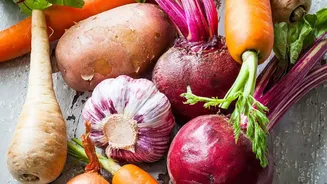
Winter brings an abundance of root vegetables, and the star among them is the sweet, red carrot. This seasonal availability is why Gajar ka Halwa, a beloved Indian dessert, is quintessentially a winter dish. Grated carrots are slow-cooked in milk and ghee until they turn into a rich, decadent pudding, often flavoured with cardamom and garnished with nuts. Carrots are an excellent source of Vitamin A and other antioxidants. Similarly, other root vegetables like sweet potato (shakarkandi), often roasted and served as a chaat, and radish (mooli), stuffed into hot parathas, are winter staples that are both delicious and nutritious.
Warming Spices and Brews: Masala Chai and Haldi Doodh
No discussion of winter foods is complete without mentioning the comforting beverages that keep us warm. Masala Chai, infused with warming spices like ginger, cloves, cardamom, and cinnamon, is a daily ritual in many homes. These spices do more than just add flavour; they are known to improve circulation and help fight off common winter ailments. Another powerful drink is Haldi Doodh, or turmeric milk. Revered for its anti-inflammatory and immunity-boosting properties, a warm cup before bed is a timeless remedy for soothing a sore throat and ensuring a good night's sleep during cold nights.