




Our Sun's Restless Heartbeat
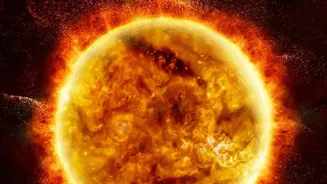
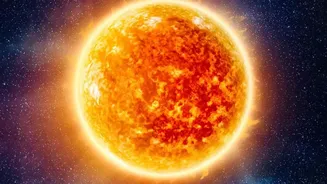
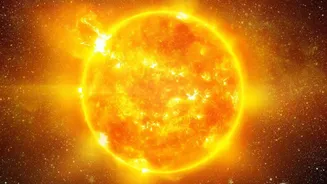
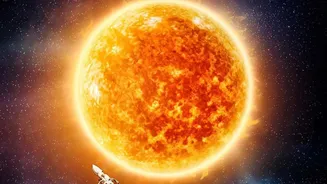
The sun operates on an approximately 11-year cycle, swinging between periods of calm and intense activity. The quiet phase is known as the solar minimum, when the sun's surface is placid with very few sunspots. The peak of this cycle is the solar maximum,
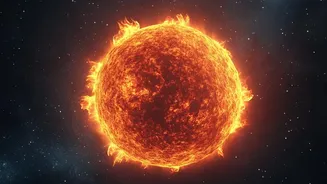
a time when the sun is turbulent and covered in sunspots. We are currently in Solar Cycle 25, which began in December 2019. This cycle has proven to be more active than originally predicted, reaching its peak phase in late 2024. While the absolute peak may have passed, heightened solar activity is expected to continue for another year or two, meaning its effects are still very much with us.
What Are Sunspots?
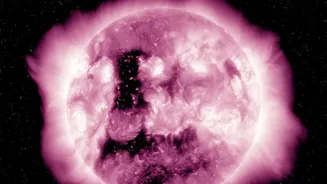
Sunspots are not just random blemishes; they are the primary indicators of solar activity. These dark patches appear on the sun's surface because they are cooler than their surroundings. This lower temperature is caused by intense, complex magnetic fields that prevent heat from rising to the surface. Think of them as the visible signs of tangled magnetic energy building up. The more sunspots we can see, the more active the sun is, and the more likely it is to unleash powerful bursts of energy. Therefore, scientists track sunspot numbers to gauge where we are in the solar cycle.
From Solar Storms to Celestial Light Shows
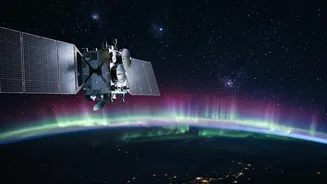
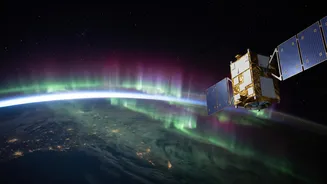
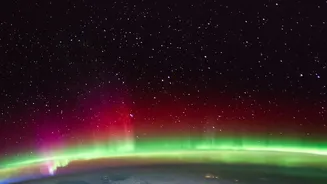
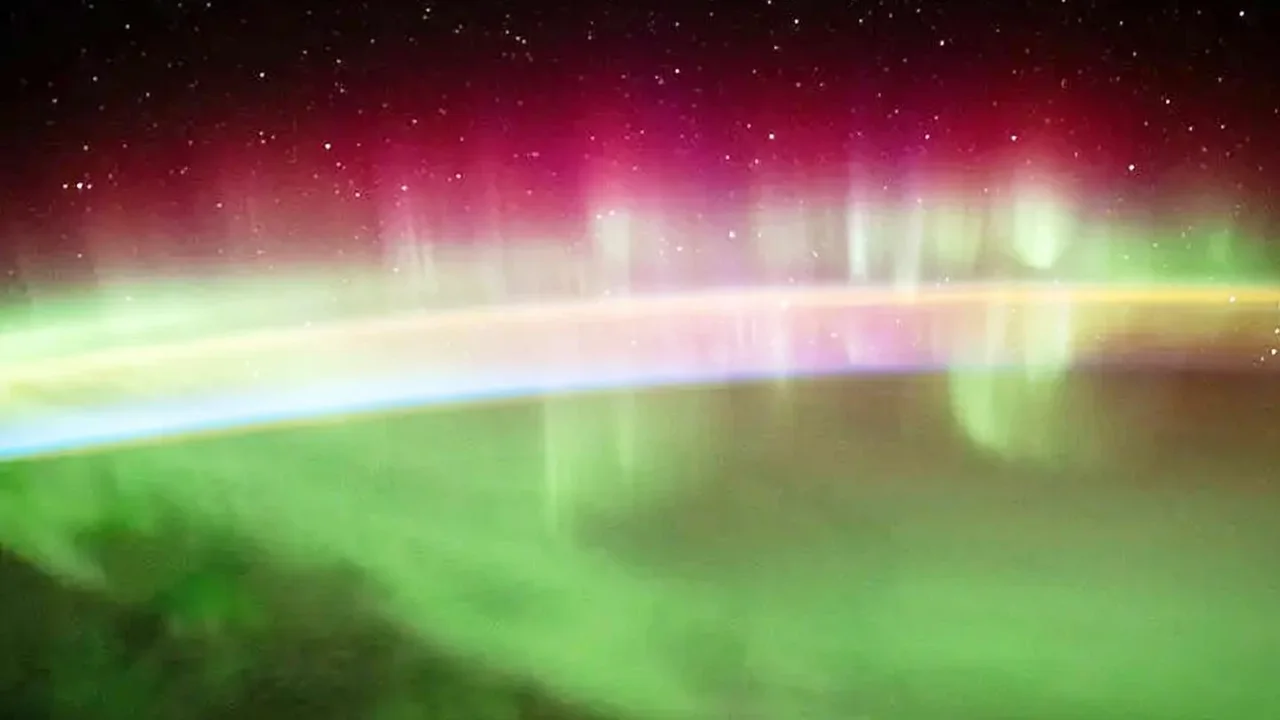
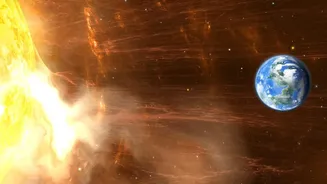
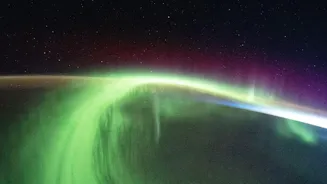
The intense magnetic fields around sunspots can get twisted and tangled, like rubber bands being stretched too far. When they suddenly snap and realign, they release enormous amounts of energy in the form of solar flares (intense bursts of radiation) and Coronal Mass Ejections (CMEs), which are massive clouds of charged particles and plasma hurled into space. While solar flares themselves don't cause auroras, the CMEs do. If a CME is aimed at Earth, it travels through space and slams into our planet's magnetic field, or magnetosphere. This collision energises particles already trapped in our magnetic field, funnelling them towards the poles. When these high-energy particles collide with gases like oxygen and nitrogen in our upper atmosphere, they cause the gases to glow, creating the spectacular dancing lights of the aurora borealis (northern lights) and aurora australis (southern lights).
The Dark Side: Signal Interference
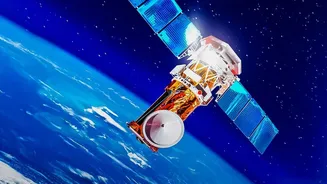
The same energy that creates beautiful auroras can wreak havoc on our technology-dependent world. Solar flares and CMEs create what is known as 'space weather'. The radiation from a strong flare can reach Earth in just eight minutes, disrupting the ionosphere—a layer of the atmosphere crucial for long-range radio communications. This can cause radio blackouts, affecting aviation and military communications. The charged particles from a CME can cause even more widespread problems. They can damage the electronics on satellites, which are essential for everything from weather forecasting to television broadcasts and, critically, Global Positioning System (GPS) networks. Disruptions to GPS can introduce positioning errors, impacting navigation for aviation, shipping, and even the ride-hailing and delivery apps we use daily.
Impacts on a Connected India
For a nation like India, with its rapidly growing digital economy and reliance on satellite technology, the effects of a solar maximum are a serious consideration. Our dependence on GPS for navigation and logistics is immense. Widespread outages or inaccuracies could disrupt supply chains and transportation. Furthermore, India's extensive satellite network, which supports communication, television (DTH services), and crucial scientific monitoring, is vulnerable. A severe geomagnetic storm could damage these vital assets. Power grids are also at risk. Intense geomagnetic storms can induce currents in long transmission lines on the ground, potentially overloading transformers and causing widespread blackouts, as happened in Quebec in 1989. While modern grids have some safeguards, the threat remains, making space weather forecasting a critical part of national infrastructure protection.