



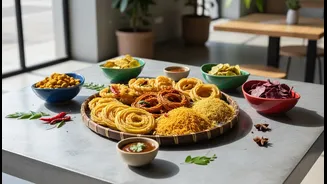



The Soul of South Indian Kitchens
For the uninitiated, 'podi' simply means 'powder' in several South Indian languages. But it represents an entire universe of flavour. Found in almost every South Indian home, these dry, coarse spice blends are made from a mix of roasted lentils, seeds,
chillies, and herbs. They are a cornerstone of the cuisine, traditionally mixed with ghee or oil and eaten with rice, or served as a punchy accompaniment to idli and dosa. More than just a condiment, podi is considered an emotion for many—a taste of home and a testament to regional culinary ingenuity. Its longevity and resistance to spoilage made it a perfect travel companion for centuries. The most famous variety is Milagai Podi, often called 'gunpowder' for its explosive flavour, made from roasted lentils and fiery red chillies.
An Unlikely Culinary Marriage
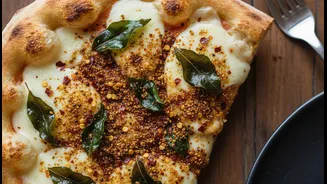
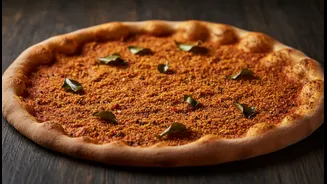
The idea of sprinkling a traditional lentil-based powder on a cheesy, tomato-laden pizza might seem strange, but it is part of a larger trend in India's booming food scene. Chefs and home cooks are increasingly experimenting with local flavours on global formats, creating a new 'desi pizza' identity. This fusion isn't about gimmickry; it’s about a genuine flavour synergy. Restaurants are now offering everything from Andhra chilli margherita pizzas to onion rings dipped in dosa batter and dusted with podi. The coarse, crunchy texture of podi offers a wonderful contrast to the soft, melted cheese, while its earthy, spicy notes cut through the richness, creating a balanced and addictive bite.
A Symphony of Flavour and Texture
Why does this combination work so well? It’s a masterclass in contrasting and complementary flavours. A classic pizza offers a canvas of savoury, tangy, and creamy notes from the tomato sauce and mozzarella. Podi introduces a completely different dimension. The roasted lentils, like urad dal and chana dal, provide a nutty, earthy base. Red chillies bring a sharp, lingering heat that is more complex than simple chilli flakes. Ingredients like sesame seeds add richness, curry leaves offer an aromatic, herbal high note, and a pinch of asafoetida provides a deep, savoury funk. When sprinkled over a hot pizza, the podi’s aromas bloom, adding an incredible fragrance to the dish. The slightly grainy texture is the final touch, adding a delightful crunch that keeps you coming back for another slice.
Exploring the World of Podis
There isn't just one type of podi to experiment with. The variety is immense, with each household and region having its own signature blends. For pizza, several types work exceptionally well. Milagai Podi ('gunpowder') is a classic choice for a straightforward spicy kick. For a more aromatic and less fiery option, Karuveppilai Podi (curry leaf podi) is fantastic; its herbal notes pair beautifully with vegetable toppings. Paruppu Podi, a milder powder made mainly from toor dal and pepper, can add a nutty, comforting flavour without overwhelming the pizza. For the more adventurous, there are peanut-based podis (Palli Podi) or even modern, health-conscious versions with flaxseed (Agasi Podi).
How to Try the Podi Pizza Trend
Bringing this trend into your own kitchen is simple. The easiest method is to use podi as a finishing spice. After your pizza is baked, simply sprinkle a generous amount over the top, just as you would with oregano or chilli flakes. This preserves the podi's texture and fresh aroma. Alternatively, you can mix the podi into your tomato sauce before spreading it on the base to infuse the entire pizza with its flavour. Another creative approach is to create a 'podi-dusted crust' by sprinkling it around the edge of the pizza before baking. For a truly integrated experience, some even mix podi with ghee or olive oil to form a paste and use that as the base sauce itself, before adding cheese and other toppings. No matter how you use it, podi is a simple way to elevate a simple pizza into something truly special and uniquely Indian.