



Crafting a festive menu that sings with the diversity of India is a joy. This guide helps you compose a vegetarian feast, weaving together the distinct flavours of Gujarat, Rajasthan, and Bengal into one harmonious and unforgettable meal.
The Art of Balancing Flavours
The secret to
a successful multi-regional menu lies in balance. Gujarati food often carries a signature sweet and tangy profile. Rajasthani cuisine is known for its rich, spicy, and robust flavours, traditionally using a generous amount of ghee. Bengali vegetarian dishes, on the other hand, can be subtle, sometimes featuring a unique bittersweet taste profile, like in the classic 'Shukto'. When building your menu, think about contrast. Pair a rich Rajasthani main with a lighter Bengali vegetable preparation. Use a tangy Gujarati dal or kadhi to cut through the richness. The goal is not for one flavour to dominate, but for all three to create a symphony on the palate.
Appetisers: A Trio of Textures
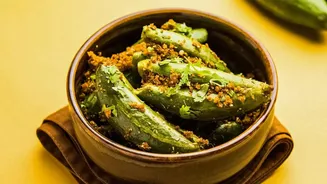
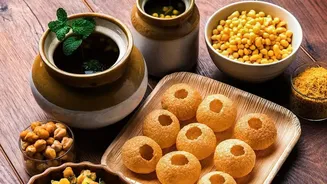
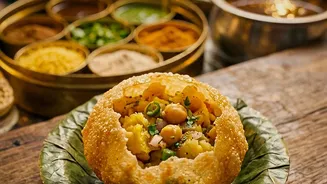
Start your feast with a selection of 'farsan' or snacks that offer a variety of textures. From Gujarat, choose the soft, melt-in-your-mouth Khandvi. These delicate, tightly rolled bites are made from gram flour and yogurt, finished with a simple tempering of mustard seeds. For a spicy and crispy contrast, include Rajasthan's famous Pyaaz ki Kachori—a deep-fried pastry filled with a savoury onion mixture. To complete the trio, add a Bengali classic, Begun Bhaja. These are simple pan-fried eggplant slices, marinated in turmeric and salt, offering a soft texture and savoury taste that cleanses the palate.
Main Course: A Grand Centrepiece
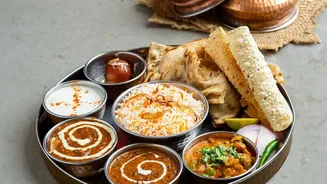
For the main event, nothing makes a statement quite like Rajasthan's iconic Dal Baati Churma. This is a complete meal in itself, featuring baked wheat balls (baati) that are broken and drenched in ghee, a spicy mixed-lentil curry (panchmel dal), and a sweet, crumbly dessert (churma) made from the same baatis. Because this dish is so hearty, your accompanying dishes should be lighter. Consider the Bengali Shukto, a gently bitter and creamy mixed-vegetable stew that includes vegetables like bitter gourd, raw banana, and drumsticks. Its unique flavour profile provides a wonderful contrast to the rich dal. You could also add a Gujarati Kadhi, a thin, soup-like curry made from buttermilk and gram flour, which adds a lovely sour and slightly sweet element to the thali.
Breads and Rice: The Essential Companions
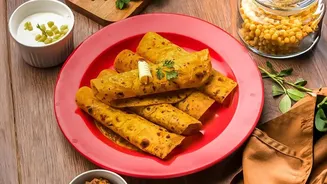
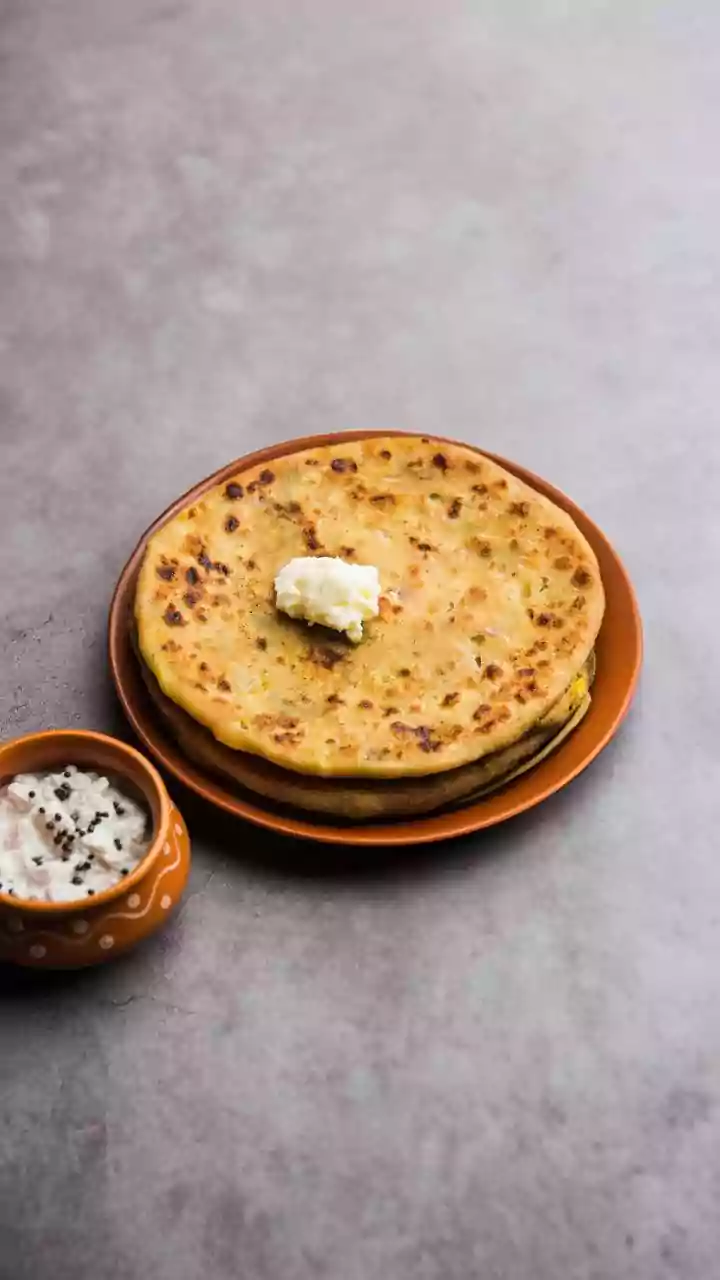
While the baati from the Rajasthani centrepiece serves as the primary bread, you can offer a simple side of Gujarati Thepla or soft rotis for those who prefer them. For rice, a simple steamed Basmati rice is perfect. It acts as a neutral canvas for the various curries and dals, allowing their individual flavours to shine without competing. A Bengali-style Ghee Bhat (rice with a dollop of ghee) or a light vegetable pulao can also be a festive and fragrant addition that complements all the dishes on the plate.
Desserts: A Sweet Symphony
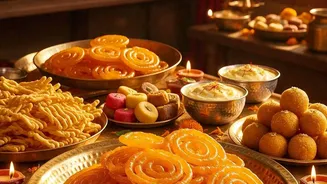
No Indian festive meal is complete without a grand finale of sweets. Since the Churma is already part of your main course, you have a head start. Add two more iconic desserts for a truly celebratory spread. From Gujarat, serve Shrikhand, a creamy and thick dessert made from strained yogurt, sweetened and flavoured with saffron and cardamom. From Bengal, the perfect counterpoint is Mishti Doi. While also yogurt-based, it is made by fermenting sweetened milk, resulting in a lighter, caramel-hued, and subtly sweet dessert, traditionally set in earthenware pots. Together, these three offer a delightful range of textures and sweetness.
Your Festive Fusion Menu
Here is a sample menu to guide your planning: Appetisers: Khandvi (Gujarati), Pyaaz ki Kachori (Rajasthani), Begun Bhaja (Bengali). Main Course: Dal Baati Churma (Rajasthani) served as a centerpiece, alongside Shukto (Bengali) and Gujarati Kadhi. Sides: Steamed Basmati Rice and Thepla (Gujarati). Desserts: Shrikhand (Gujarati) and Mishti Doi (Bengali), with the Churma from the main course. To make hosting easier, many components can be prepared in advance. The farsan, the dough for the baatis, and the desserts can all be made a day ahead, leaving you to focus on the curries and final assembly on the festive day.