




The Konkan Railway: A Coastal Masterpiece
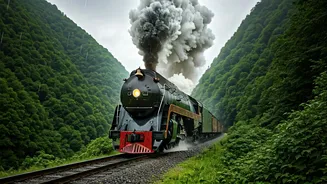
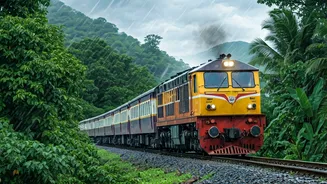
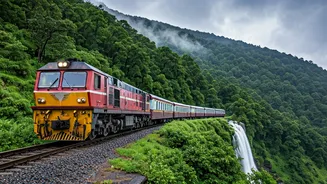
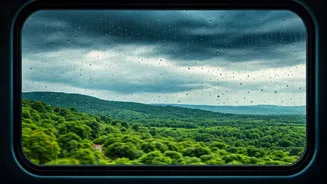
Often hailed as a marvel of engineering, the Konkan Railway route from Mumbai to Goa becomes a dramatic spectacle during the monsoon. The journey runs parallel to the Arabian Sea, cutting through the rugged Western Ghats. In the rainy season, the landscape
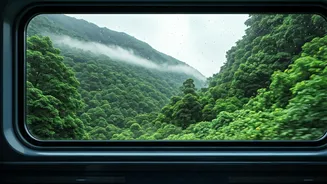
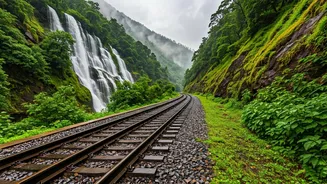
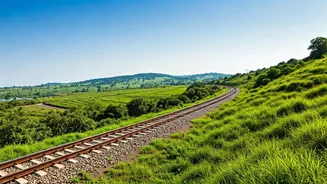
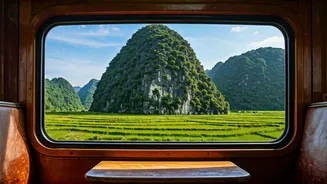
transforms into a verdant paradise, with countless waterfalls cascading down cliffs right next to the tracks. The train navigates over 2,000 bridges and through more than 90 tunnels, including the nearly 6.5-kilometre-long Karbude tunnel. Each time the train emerges from a dark tunnel, it reveals a breathtaking panorama of rain-soaked paddy fields, swollen rivers, and lush hillsides, making the 12-hour journey feel like an epic romance film unfolding outside your window. The route passes popular spots like Ratnagiri and Lonavala, all flaunting their monsoon best.
Kalka to Shimla: A Himalayan Fairy Tale
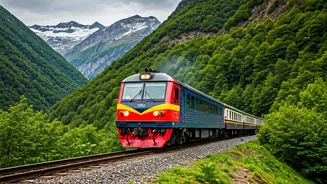
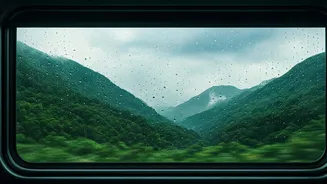
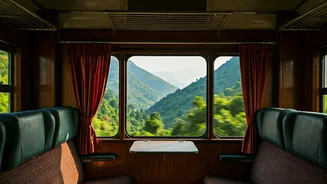
A journey on the UNESCO World Heritage Kalka-Shimla Railway is like travelling back in time, especially when mist and clouds descend during the monsoon. This narrow-gauge 'toy train' slowly winds its way up to Shimla, navigating 900 curves, 800 bridges, and 102 tunnels on its 96-kilometre path. The slow pace of the train is a blessing, allowing you to soak in the views of pine, oak, and rhododendron forests that appear greener and more alive in the rain. The misty weather adds a layer of mystery and romance to the mountains, turning the five-hour journey into a magical, atmospheric experience. While there's a risk of delays due to rain, the moody, fog-laden journey through the hills is an unforgettable spectacle for those who love the mountains.
Darjeeling Himalayan Railway: The Queen of Hills
Another UNESCO World Heritage site, the Darjeeling Himalayan Railway, or 'toy train', offers a picturesque journey from New Jalpaiguri to the famed tea capital, Darjeeling. During the monsoon, the tea gardens along the route become intensely vibrant, and low-hanging clouds create a mystical, dream-like atmosphere. The train chugs along steep gradients, navigating sharp loops like the famous Batasia Loop and several zig-zags to gain altitude. While clear-day views of Kanchenjunga are a treat, the monsoon journey is all about the immediate scenery: rain-washed forests, charming hill towns, and the feeling of travelling through the clouds themselves. It’s a slow, enchanting ride that captures the essence of life in the hills. However, travellers should note that services can sometimes be suspended during heavy downpours due to the risk of landslides.
The Western Ghats: Waterfalls and Wilderness
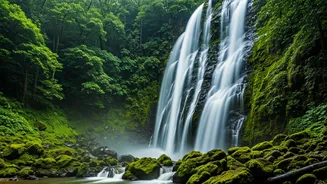
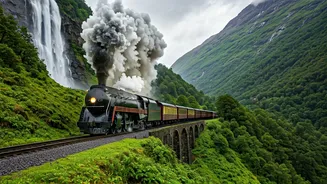
Several routes through the Western Ghats offer cinematic monsoon experiences. The journey from Bengaluru to Mangaluru is particularly spectacular, especially through the Sakleshpur-Subramanya Ghat section. Here, the train is flanked by dense green forests and dozens of waterfalls that come alive with the rains. Another stunning route is the one from Castle Rock to Kulem, which features the magnificent Dudhsagar Falls. During the monsoon, the waterfall is at its most powerful, and trains pass so close that passengers are often sprayed by its mist, creating a truly immersive and thrilling experience. Similarly, the short trip on the Matheran Hill Railway, from Neral to the vehicle-free hill station of Matheran, becomes a refreshing escape into a dense, rain-drenched forest dotted with small streams and waterfalls.
Visakhapatnam to Araku Valley: Through the Eastern Ghats
For a journey through a different mountain range, the train from Visakhapatnam to Araku Valley in the Eastern Ghats offers an equally compelling monsoon drama. This route cuts through hair-pin bends, 58 tunnels, and over 84 bridges. The journey reveals picturesque valleys and towering mountains covered in lush forests that are rejuvenated by the rains. Highlights include views of the million-year-old Borra Caves and the impressive Ananthagiri Waterfalls, which can be seen cascading from the train window. The four-hour journey is an intrepid traveller’s delight, offering a unique glimpse into the rain-washed beauty of a less-explored part of India.