





Why Monsoon is a Gardener’s Best Friend
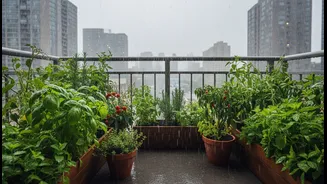
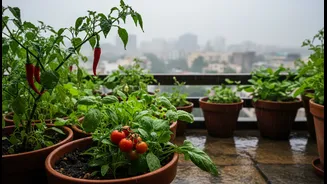
The rainy season in India is a fantastic time for gardening, especially for beginners. The increased humidity, naturally soft soil, and regular watering from the skies create a perfect environment for many plants to thrive. For urban renters with limited
space, a balcony can become a productive micro-farm. The cooler temperatures encourage leafy greens to grow without becoming bitter, and the moisture helps seeds germinate quickly. This season allows you to grow a surprising amount of fresh produce, reducing your trips to the market and connecting you with your food.
Choosing Your Monsoon Champions
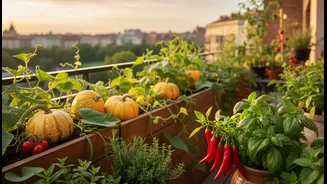
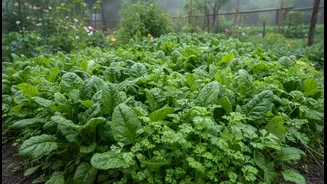
Not all plants love the constant dampness of the monsoon. The key is to choose vegetables that flourish in these conditions. Leafy greens are a great start; spinach (palak), amaranth (chaulai), and fenugreek (methi) grow rapidly. For something more substantial, consider okra (bhindi), green chillies, and brinjal, all of which perform well. Gourds are the undisputed champions of the season; climbers like bottle gourd (lauki) and bitter gourd (karela) love the humidity, but will need a simple trellis for support. For beginners, radishes, beans, and cucumbers are excellent, fast-growing choices.
The Right Foundation: Pots and Soil
Success starts from the ground up. The single most important factor during the monsoon is drainage. Use pots with plenty of drainage holes to prevent water from stagnating, which can lead to root rot. Terracotta pots are great for aeration, but lightweight plastic pots or grow bags are excellent, renter-friendly options. Avoid using heavy, compacted garden soil. Instead, create a light, airy potting mix. A reliable formula is equal parts garden soil, compost (for nutrients), and cocopeat (for moisture retention and aeration). This mix will hold enough moisture without becoming waterlogged.
Watering Wisdom: Don’t Drown Your Plants
It may seem counterintuitive, but overwatering is the biggest mistake gardeners make during the monsoon. Don't assume the rain is doing all the work, especially on a covered balcony, but also don't water on a fixed schedule. Always check the soil first. Poke your finger about an inch or two into the pot; if the soil feels damp, leave it alone. Also, ensure the saucers under your pots are emptied regularly. Standing water not only harms the plant roots but also creates a breeding ground for mosquitoes.
Guarding Your Greenery: Pests and Problems
The warm, humid weather that plants love is also a paradise for pests and fungal diseases. Snails, slugs, aphids, and whiteflies are common culprits. Inspect your plants daily, especially the undersides of leaves. Many issues can be managed without harsh chemicals. A simple spray of neem oil mixed with a little liquid soap is a powerful organic solution for most pests. To prevent fungal infections like powdery mildew, ensure good air circulation between your pots and prune overcrowded foliage. Removing any dead or decaying leaves promptly also helps keep your garden healthy.
Maximising Small Spaces
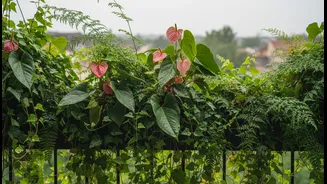
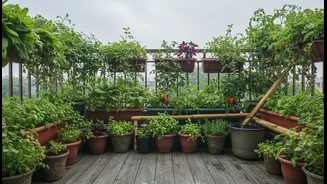
A small balcony doesn't mean a small harvest. Think vertically. Using railing planters, hanging baskets, and stacked pots can dramatically increase your growing area without taking up floor space. A simple wooden pallet can be leaned against a wall and used as a vertical herb garden for plants like mint, basil, and coriander. Climbing plants like beans and gourds can be trained up a trellis, creating a green wall that is both beautiful and productive. Grouping plants with similar sunlight and water needs also makes maintenance much easier.