
The End of the ‘Sad Beige’ Era
Walk through any new housing development or scroll through social media from the early 2020s, and you’ll see a sea of beige. It was the colour of quiet luxury, safety, and minimalist sophistication. It provided a clean, calming backdrop that was easy
to live with and even easier to market. But after years of living in perfectly coordinated, if somewhat sterile, spaces, a collective fatigue has set in. Designers and homeowners in India and abroad are finding that an excess of beige can feel one-dimensional, flat, and devoid of personality. What once felt like a serene sanctuary can now feel like a boring waiting room. This shift is not about declaring beige 'bad', but about recognising that many are now craving homes that tell a story and reflect a unique identity.
Why We're Craving Warmth and Personality
The move away from all-neutral-everything is deeply connected to a desire for comfort and expression. After a period of global uncertainty, people want their homes to feel like a warm, enveloping hug, not a sterile showroom. This has given rise to concepts like “Dopamine Decor,” which focuses on using colour and texture to create joyful, mood-boosting spaces. The idea is simple: the colours and objects that surround us affect how we feel. Instead of striving for a flawless, impersonal look designed for a future buyer, the focus is now on creating a home that feels authentic and deeply personal for the people living in it right now. This new approach swaps cold neutrality for intentional warmth, replacing emptiness with emotion and soul.
First Step: Introduce Earth Tones
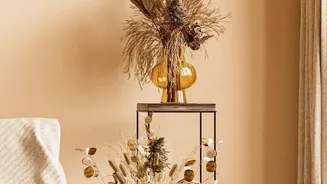
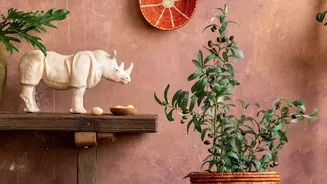
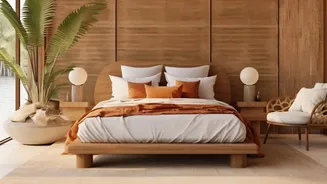
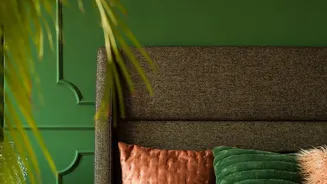
The easiest way to transition away from an all-beige palette is to introduce its earthy cousins. Think terracotta, rust, caramel, dusky pinks, and rich browns. These colours carry the same neutral, grounding qualities as beige but with significantly more depth and character. A terracotta accent wall can bring instant warmth to a living room, while caramel-coloured cushions or a rust-toned throw can transform a bland sofa. Even muted greens, like olive and sage, work beautifully, adding a touch of nature that feels both calming and alive. These shades pair exceptionally well with natural Indian materials like wood, jute, and cane, creating a look that feels both modern and rooted.
Next Up: Play with Texture and Contrast
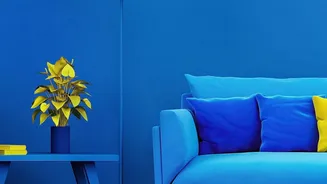
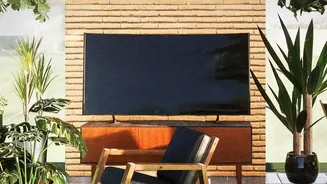
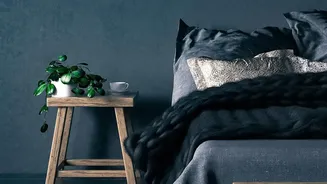
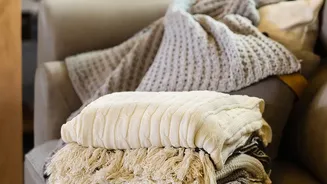
A room devoid of contrast can feel visually flat. Even if you love neutrals, creating contrast is key to making a space interesting. This doesn't just mean colour; texture is your secret weapon. If your sofa is a smooth, beige fabric, add a chunky knit throw, velvet cushions, or a plush rug. Consider a single statement piece, like an armchair in a rich blue velvet or a sculptural chair with organic curves, to act as the 'main character' in the room. This single point of disruption prevents monotony and signals confidence. Adding elements in black or a dark charcoal is another powerful way to ground a light-coloured room, providing a sophisticated anchor that makes the surrounding neutrals pop.
Finishing Touches: It's All in the Details
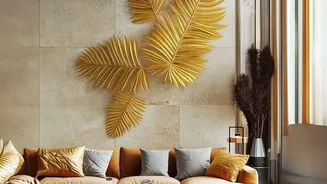
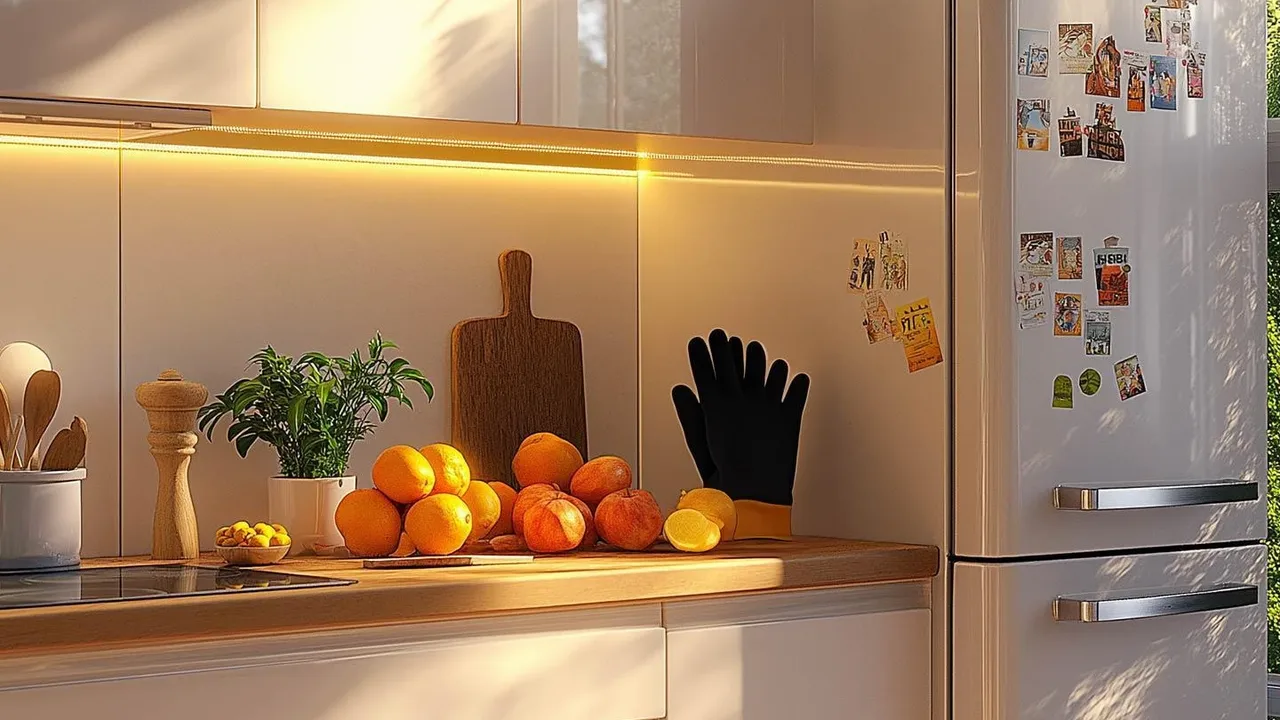
Bringing warmth and personality into your home doesn't require a full renovation. Start small. Swap out plain beige cushion covers for ones with subtle patterns or richer colours. Introduce metallic accents in warm tones like brass or bronze through lamps, photo frames, or decorative objects. A single piece of large, colourful artwork can completely change the energy of a space. Even plants in terracotta pots contribute to the feeling of a lived-in, vibrant home. The goal is to layer in elements that you genuinely love. This is not about chasing another trend, but about moving towards a home that feels more like you.