

The Allure of the Frozen Kingdom
Visiting the Himalayas between November and March is not for the faint of heart, but the rewards are immense. The usual throngs of tourists disappear, leaving behind a serene landscape of stark beauty. The air is crisp, the skies are often a brilliant
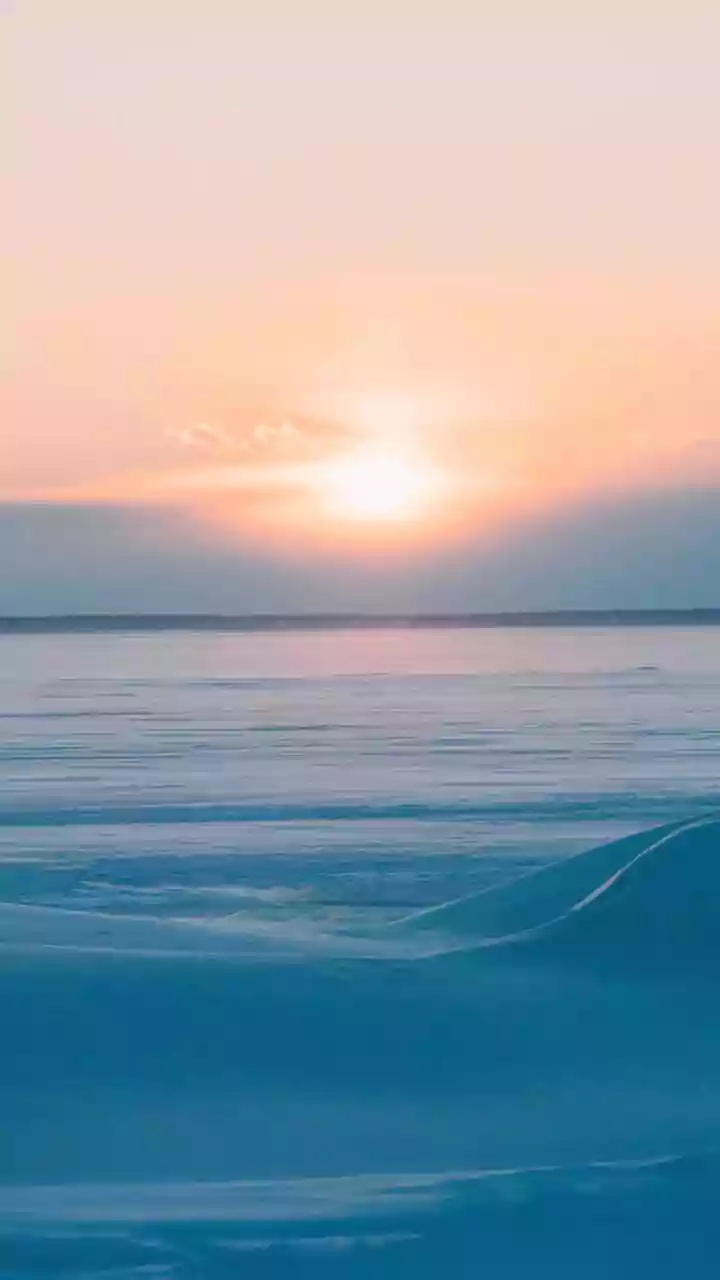
blue, and the silence is profound. This is a time when mountains feel truly monumental and nature is at its most raw. For those willing to trade the comfort of warmer weather for an unparalleled experience, seeing a Himalayan lake in its frozen state is a primary draw. It’s a chance to witness a landscape transformed by ice and snow, offering a perspective that few get to see.
Pangong Tso: A Sprawling Icy Canvas
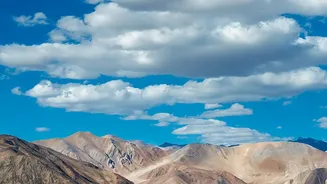
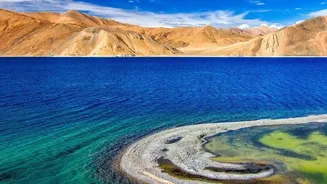
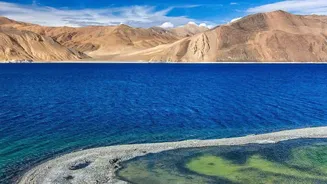
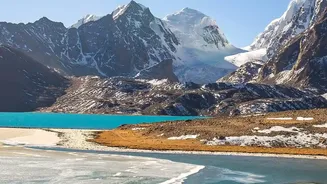
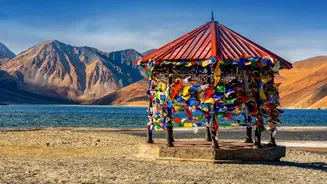
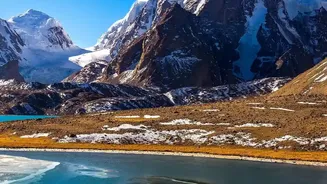
Located in Ladakh at an altitude of about 4,350 metres, Pangong Tso is famous for its incredible changing colours in the summer. In winter, however, it presents a completely different avatar: a vast, solid sheet of ice stretching for over 130 kilometres. The journey from Leh, which takes about five to six hours, is an adventure in itself, crossing the formidable Chang La pass (5,360 metres). During the cold months, the pass is often covered in snow, making a 4x4 vehicle and an experienced local driver essential. The lake itself freezes solid enough to walk on in some areas, though caution is always advised. The surrounding barren mountains, dusted with snow, create a monochromatic panorama of immense scale and solitude. Winter accommodation is sparse, limited mostly to a few basic homestays in nearby villages like Spangmik, as the popular tented camps close for the season. Planning is crucial, as is proper acclimatisation in Leh for at least two days to prevent Acute Mountain Sickness (AMS).
Tsomgo Lake: Sikkim’s Glacial Jewel
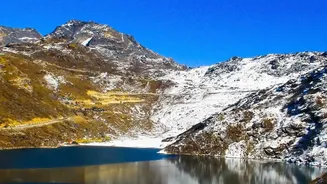
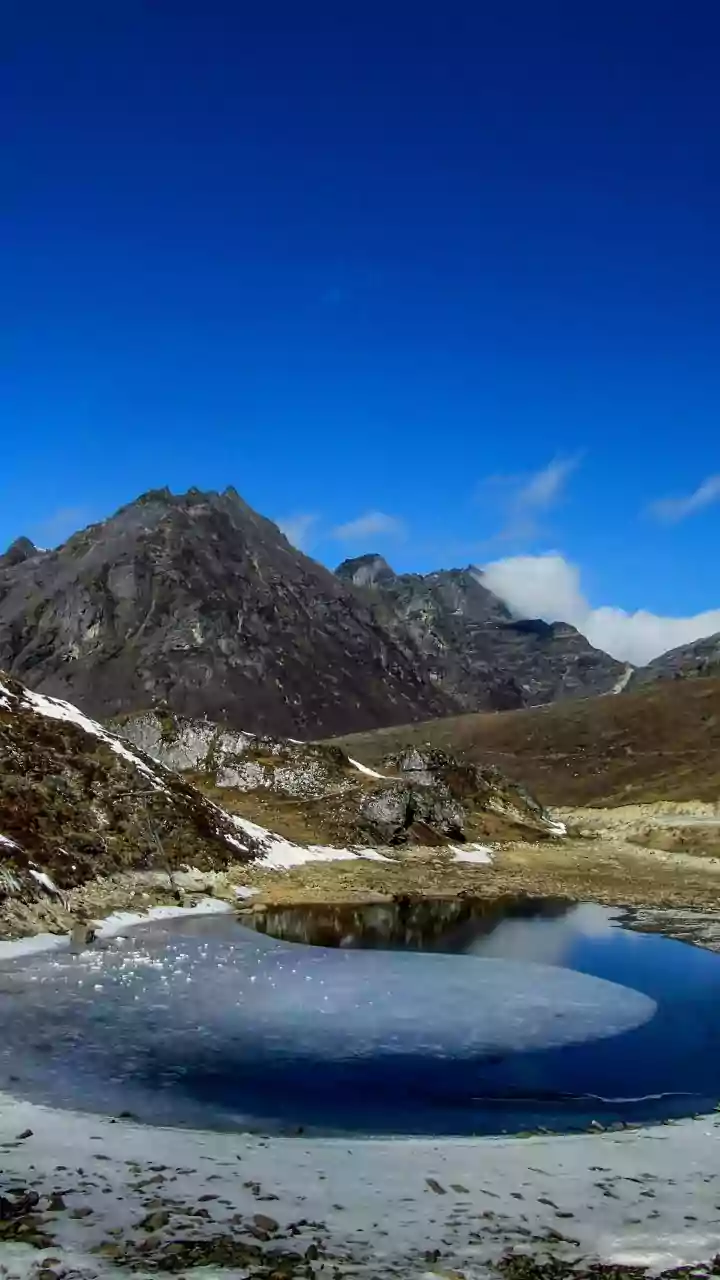
In East Sikkim, a journey of about 40 kilometres from Gangtok takes you to the ethereal Tsomgo Lake, also known as Changu Lake. Situated at 12,310 feet, Tsomgo is a glacial lake that becomes a frozen wonderland in winter. From December to March, the lake is typically covered in a thick layer of ice, and the surrounding alpine landscape is blanketed in snow. This makes it a magical destination, especially for those experiencing snow for the first time. The journey from Gangtok can be challenging, with icy roads requiring skilled drivers, and road closures due to heavy snowfall are possible. Unlike the remote Pangong, Tsomgo is a more accessible day trip from the state capital, Gangtok. Visitors can enjoy the snowy scenery, and sometimes yak rides are available along the shore. The lake is considered sacred by the local Sikkimese people, adding a layer of cultural significance to its natural beauty.
Essential Cold-Weather Preparations
A trip to either lake in winter requires serious planning. Both are in sensitive border areas, and permits are mandatory for Indian citizens. For Pangong, an Inner Line Permit (ILP) is required, which can be arranged in Leh. For Tsomgo, a Protected Area Permit (PAP) is needed, which is typically arranged by registered tour operators in Gangtok a day in advance. Layering your clothing is the most critical rule for staying warm. A typical setup includes thermal base layers, a fleece or wool mid-layer, and a windproof, waterproof outer jacket. Insulated gloves, a warm cap or beanie, thermal socks, and waterproof boots are non-negotiable. Sunscreen and UV-protective sunglasses are also vital, as the sun at high altitude, reflected off snow, can be incredibly harsh. Finally, acclimatisation cannot be rushed. Spend at least a couple of days at a lower altitude (like Leh or Gangtok) before ascending further, drink plenty of water, and avoid strenuous activity upon arrival.