







Choose Your Destination Wisely
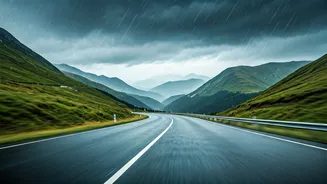
Not all destinations wear the monsoon well. While the rains transform places like the Western Ghats, Kerala's backwaters, and Rajasthan's arid landscapes into lush paradises, they can make other areas inaccessible or dangerous. High-altitude Himalayan
regions, for example, are prone to landslides and road blockages, making them a risky choice. Coastal towns can be beautiful but may face cyclonic weather and rough seas that restrict beach activities. Do your research: opt for destinations known for their monsoon beauty. Think Coorg for its coffee plantations shrouded in mist, or Udaipur where the lakes are full and the city's palaces reflect beautifully on the water. A quick search for 'best monsoon destinations in India' is a good start, but always cross-reference with recent travel advisories.
Master the Art of Monsoon Packing
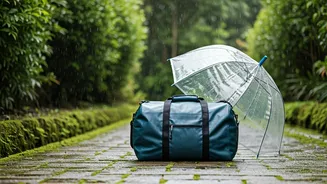
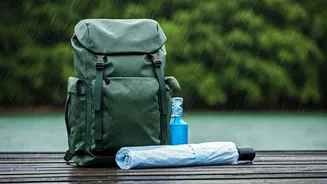
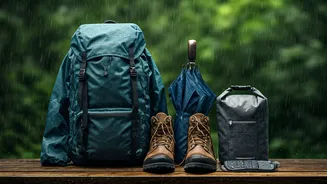
Your packing list for a rainy trip is fundamentally different. Cotton is your enemy; it takes forever to dry. Instead, opt for synthetic, quick-dry fabrics like polyester and nylon. A sturdy, reliable raincoat and waterproof footwear are non-negotiable. Don't rely on a cheap poncho that will tear in the first gust of wind. Pack an extra pair of shoes, because nothing is worse than putting on damp footwear in the morning. A waterproof bag or a rain cover for your backpack is essential to protect your electronics and clothes. Also, consider packing a compact, quick-drying towel. Finally, throw in a few waterproof zip-lock bags—they are incredibly useful for protecting your phone, wallet, and other small essentials from a sudden downpour.
Prioritise Health and Safety
The monsoon brings beauty, but also a higher risk of water-borne diseases and mosquito-related illnesses. Be vigilant about what you eat and drink. Stick to bottled water, and avoid street food that may have been exposed to contaminated water. Eat freshly cooked, hot meals wherever possible. Pack a basic first-aid kit that includes antiseptic, bandages, and medication for common ailments like fever, stomach upset, and colds. A strong insect repellent is a must, especially in the evenings. Leeches can be common in forested or grassy areas, so carry a small pouch of salt or a sanitiser to deal with them if you plan on trekking.
Book Smart, Travel Smarter
Flexibility is key when booking a monsoon trip. Flights and trains can be delayed or cancelled due to bad weather. When booking accommodation and transport, look for options with flexible cancellation or rescheduling policies. Before setting out for a road trip, always check the condition of the roads. News outlets and local travel forums are good sources for real-time updates on blockages or flooding. Build buffer days into your itinerary. Trying to stick to a tight schedule during the monsoon is a recipe for stress. A buffer day allows for unexpected delays without ruining your entire trip.
Embrace the Joy of Staying In
A rainy day doesn't have to mean a wasted day. Part of smart planning is choosing accommodation that you'll enjoy spending time in. A hotel with a cosy reading nook, a covered balcony with a view, or good indoor amenities can be a godsend when the rain is too heavy to venture out. Pack a book, download a few movies, or bring a board game. The monsoon forces a slower pace of travel, and that can be a blessing in disguise. It’s the perfect excuse to simply sit back with a cup of chai or coffee, enjoy a plate of hot pakoras, and watch the rain fall.
Don't Forget Your Tech Gear
In our connected world, protecting your gadgets is crucial. As mentioned, waterproof bags are a start, but consider a dedicated waterproof phone case if you plan on being near water or taking photos in the rain. Power cuts can be more frequent during the monsoon season, especially in remote areas or hill stations. A fully charged power bank isn't a luxury; it's an essential piece of kit. It ensures you can stay connected, use your phone for navigation, and reach out for help in an emergency, even if the lights go out in your hotel.