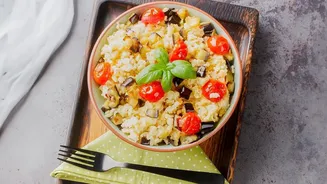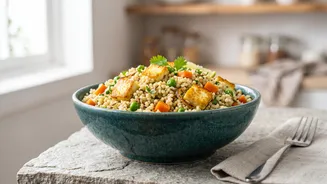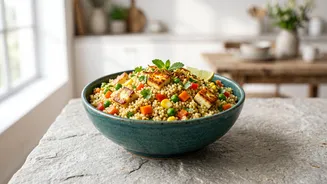



Millet vegetable pulao is a wholesome, delicious, and gluten-free meal that is gaining popularity in Indian kitchens. But the secret to a perfect, fluffy pulao lies not in the cooking, but in the preparation of the millet itself.
Why Pre-Cooking Prep is Crucial
Many home cooks treat
millet like rice, simply rinsing and adding it to the pot. This is often where things go wrong, leading to a mushy or dense texture. Proper preparation before the vegetables and water are even introduced is the key to unlocking the grain's potential. These steps remove bitterness, improve digestion, and guarantee a light, fluffy texture where each grain is separate. Soaking breaks down anti-nutrients like phytic acid, which can interfere with mineral absorption and cause bloating. It also softens the grain, leading to a faster and more even cooking time. Taking a few extra minutes to prepare the millet is the single most important factor in achieving a restaurant-quality pulao at home.
Choosing the Right Millet
The term 'millet' refers to a group of small-seeded grains. For pulao, you should look for 'minor' or 'small' millets that cook like rice. The most common choices in India are Foxtail Millet (known as Thinai, Kangni, or Korra), Little Millet (Samai), Kodo Millet (Varagu), and Barnyard Millet (Kuthiraivali). These varieties are excellent for absorbing flavours and holding their shape. While their preparation is similar, harder grains like Kodo millet may benefit from a slightly longer soak. Ensure you are buying hulled millet, which has had its indigestible outer husk removed and is ready for cooking.
Step 1: The Essential Rinse
The first, non-negotiable step is rinsing. Place your chosen millet in a fine-mesh sieve and rinse it under cool running water for about a minute. Swirl the grains with your hand until the water runs clear. This process does more than just clean away dust or impurities. Millets contain natural compounds called saponins on their outer layer, which can impart a slightly bitter or soapy taste. A thorough rinse washes these away, ensuring a clean, pleasant flavour in the final dish.
Step 2: To Soak or Not to Soak
Soaking is a game changer for both texture and nutrition. After rinsing, cover the millet with fresh water and let it soak. While some recipes suggest a quick 15 - 30 minute soak is sufficient to soften the grain, a longer soak of 2 - 6 hours delivers maximum benefits. This extended time significantly reduces anti - nutrients, making the minerals within the millet, like iron and calcium, more available for your body to absorb. It also helps break down complex fibres, making the millet much easier to digest and preventing any feeling of heaviness. The result is a grain that cooks faster, more evenly, and becomes noticeably fluffier.
Step 3 : The Flavour - Boosting Toast
This optional but highly recommended step elevates your pulao from good to great. After soaking, drain the millet completely. Heat a dry pan or pressure cooker base over medium heat and add the drained millet. Toast the grains, stirring frequently for 3 - 5 minutes, until they are fragrant and a few shades darker. You might even hear a few grains pop. This simple act of toasting unlocks a deep, nutty aroma and flavour that you won't get otherwise. It also helps the grains dry out on the surface, which is another secret to preventing them from clumping together during cooking. For an even richer flavour, you can toast the millet in a teaspoon of ghee or oil.
Ready for the Pulao
Once your millet is rinsed, soaked, drained, and toasted, it is perfectly prepped. From this point on, you can proceed with your favourite vegetable pulao recipe. Sauté your whole spices, onions, ginger - garlic paste, and vegetables before stirring in the prepared millet. When it comes to water, a general ratio is 1 cup of millet to 2 cups of water, though this can vary slightly depending on the type of millet and cooking method (pressure cooker versus open pot). With the prep work done correctly, you are well on your way to a perfectly cooked, nutritious, and flavourful vegetable millet pulao where every grain stands proud.