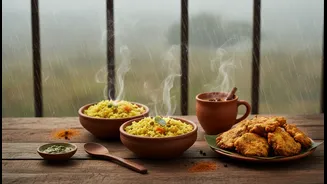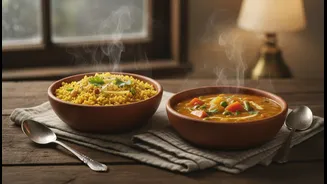








A Tradition of Monsoon Nourishment
Karkidakam, which in 2026 runs from July 17 to August 16, has historically been a challenging month in Kerala. Marked by incessant rains and agricultural downtime, it was known as a time of scarcity and increased illness. In response, Ayurveda offered
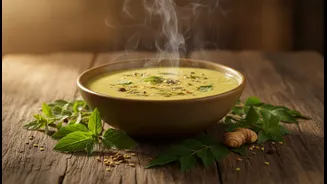
Karkidaka Chikitsa, a system of rejuvenation therapies to bolster the body. The cornerstone of this practice is Oushadha Kanji (medicinal porridge), or Karkidaka Kanji. Rooted in the principle of food as medicine, this warm, soupy meal was designed to be easily digestible, strengthen a sluggish metabolism, and boost immunity when the body is most vulnerable. It’s more than just a meal; it’s a centuries-old ritual of self-care timed to the rhythm of nature.
What Goes Into the Kanji?
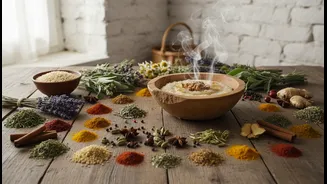
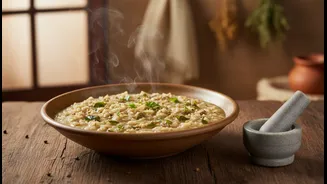
A traditional Karkidaka Kanji is a complex and thoughtful preparation. The base is typically Njavara rice, a regional variety prized in Ayurveda for being nourishing and light on the digestive system. This is slow-cooked with water and often finished with coconut milk. The 'marunnu' or medicine comes from a host of herbs and spices. Essential warming spices like dry ginger, cumin, fenugreek, and black pepper are almost always included to kindle the 'agni' or digestive fire. More complex versions include specific Ayurvedic herbal formulations like Dashamoola or Dashapushpa, which contain a mix of botanicals believed to reduce inflammation and support immunity. The final flavour is earthy, aromatic, and deeply comforting.
Adapting the Porridge for Today's Kitchen
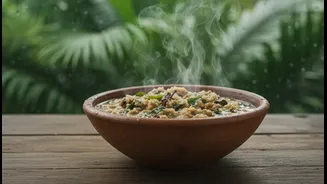
While you can find pre-made Karkidaka Kanji kits, especially in Kerala, creating your own version at home is entirely possible, even if you can't source every specific herb. The key is to embrace the spirit of the dish. You can substitute Njavara with other whole-grain red rice. Focus on the foundational spices that are readily available: ginger, garlic, cumin, fenugreek, and a pinch of turmeric. The goal is a nourishing, easily digested porridge that warms you from the inside out. Cook the rice until very soft with the spices, then finish with a swirl of coconut milk for richness. It becomes a versatile template for a restorative meal that can be enjoyed well beyond the monsoon.
Food as Comfort, Not a Miracle Cure
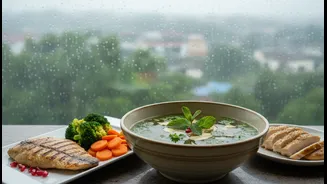
Herein lies the crucial part of the conversation. In an age of wellness trends, traditional foods like Karkidaka Kanji are often stripped of their cultural context and marketed as miracle 'superfoods' that can cure chronic diseases. While the porridge is undeniably healthy and rooted in sound Ayurvedic principles of seasonal eating, it is not a magic bullet. Its benefits come from providing wholesome, easily absorbed nutrients and supporting digestion, not from any single mystical property. The danger in presenting tradition as a cure is that it creates unrealistic expectations and undermines the legitimate wisdom at its core—which is about balance, moderation, and eating what your body needs for the season you're in. This porridge is nourishment, not a pharmaceutical.