








The Time Famine
For millions of young professionals in cities like Mumbai, Bengaluru, and Delhi, the most valuable and scarce resource is time. Long and stressful commutes on congested roads or crowded public transport can easily consume two to three hours a day. This
is time that could be spent exercising, cooking a nutritious meal, or getting adequate sleep. The modern corporate culture, with its long hours and 'always-on' expectation, further erodes personal time. This constant time pressure makes convenience king. It becomes easier and faster to order processed foods than to shop for and prepare fresh ingredients. A recent multi-city study on young urban adults confirmed that time constraints were a primary barrier to a healthy lifestyle. This 'time famine' forces a choice between work, rest, and health—and too often, health is the one that gets sacrificed.
The High Cost of Wellness
Choosing a healthy lifestyle in urban India often comes with a significant price tag. The 'wellness' industry, while booming, is largely a premium market. Gym memberships, organic produce, specialised health foods, and even access to personal trainers are luxuries that many young people, often saddled with high rents and other costs of city living, simply cannot afford. There is a clear financial disparity in health. Unhealthy, calorie-dense fast food and processed snacks are often cheaper and more readily available than their nutritious counterparts. While non-communicable diseases like hypertension and diabetes were once associated with affluence, they are now widespread across all income groups in cities, driven by these unhealthy diets and sedentary behaviour. This economic barrier means that for many, the desire to be healthy is thwarted by the practical realities of their budget, creating a distinct class divide in well-being.
A City Not Designed for Health
The very design of many Indian cities actively discourages a healthy, active lifestyle. Rapid and often unplanned urbanisation has led to environments that are hostile to physical activity. A lack of safe, continuous, and well-lit footpaths makes walking a hazard. The scarcity of public parks, green spaces, and dedicated cycling lanes forces people into vehicles for even short distances. Poor air quality in major metros is a major deterrent to outdoor exercise, with high levels of particulate matter posing serious respiratory and cardiovascular risks. Studies have shown that people living in urban areas have a significantly higher risk of depression and anxiety, partly linked to the stressors of the built environment like noise pollution, crowding, and lack of access to nature. This means the city itself—its infrastructure and environment—is a formidable opponent in the quest for physical and mental well-being.
Finding a Way Forward
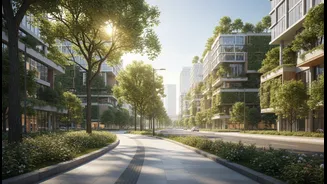
The challenges are systemic, but that doesn't mean individuals and communities are powerless. The conversation is shifting from individual blame to a collective call for change. There is growing advocacy for cities to be designed for people, not just cars. Concepts like the '15-minute city', where daily needs are within a short walk or bike ride, are gaining traction as a way to promote public health. Corporations are also under increasing pressure to move beyond superficial wellness programs and address the root causes of employee stress and burnout, such as excessive work hours. While technology can contribute to sedentary habits, it also offers solutions, from online fitness classes to mental health support apps that are becoming more accessible. The research makes it clear that individual effort, while important, can only go so far. A truly healthier urban India requires a fundamental rethinking of how we work, build, and live in our cities.