







A Tradition of Monsoon Care
The rainy season in India brings relief from the scorching summer heat, but it also presents unique health challenges. According to Ayurveda, the body's digestive fire, or 'Agni', tends to weaken during this time, making us more susceptible to infections,
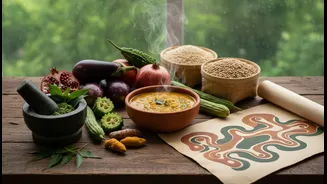
colds, and digestive issues. The damp, humid weather is also considered to aggravate the 'Vata' and 'Kapha' doshas, leading to ailments like joint pain, allergies, and respiratory congestion. For centuries, Indian households have relied on warm, easily digestible foods and specific herbs to counteract these effects. Traditional wisdom dictates a diet of warm soups, steamed foods, and drinks infused with immunity-boosting spices to stay healthy and balanced through the rains.
The Herbal Powerhouses
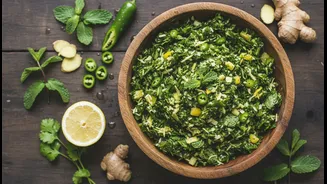
At the heart of these monsoon wellness traditions are a host of potent local herbs, each with distinct therapeutic properties. Tulsi, or holy basil, is revered for its antiviral and antibacterial qualities, making it a frontline defense against common colds and fevers. Ginger is another monsoon essential, prized for its ability to aid digestion, reduce inflammation, and provide a warming effect on the body. Turmeric, with its active compound curcumin, is a powerful anti-inflammatory and antioxidant that helps fend off infections. Other key players include lemongrass for its refreshing, headache-soothing properties; ashwagandha to combat fatigue and stress; and spices like black pepper and cumin to clear congestion and support gut health.
From Home Remedies to Urban Menus
While these remedies have long been staples in home kitchens, urban Indian eateries are now embracing this philosophy with renewed creativity. Chefs are moving beyond the traditional kadha or rasam to craft sophisticated, plant-based broths that are both nourishing and gourmet. These modern interpretations often start with a slow-simmered vegetable stock, using kitchen scraps like onion peels and carrot ends to build a flavorful base. This foundation is then customised with carefully selected combinations of the wellness herbs mentioned, along with other seasonal ingredients. The goal is to create a menu of broths that cater to specific needs, whether it's boosting immunity, aiding digestion, or simply providing a comforting, soulful experience on a rainy day.
A Symphony in a Bowl
The result is far more than just hot water with herbs. Today's wellness broths are complex and layered. A chef might create a bright, zesty broth with lemongrass, ginger, and a hint of lime, designed to awaken the senses. Another might be a deep, earthy broth featuring mushrooms, turmeric, and ashwagandha, aimed at grounding and restoring the body. These plant-forward creations are often served as a light meal in themselves, sometimes with additions like sprouted mung beans, millet, or seasonal vegetables to add texture and substance. By fusing global techniques with local ingredients, chefs are transforming simple, traditional broths into an exciting culinary category that aligns perfectly with the growing demand for healthy, mindful eating.