



A new viral skincare trend promises spotless skin by freezing retinol into ice cubes. This DIY hack combines the de-puffing power of ice with a gold-standard ingredient. But before you raid your freezer, is there any science behind it, or is it just hype?
The Viral Sensation: What Are Retinol Ice Cubes?
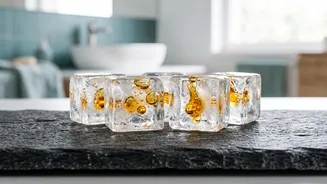
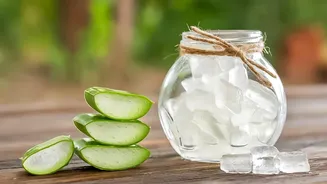
Social media is buzzing with a new DIY skincare hack: retinol ice cubes. The trend involves mixing retinol—either from a serum or sometimes from 'natural' sources like carrot juice—with water or aloe vera, freezing the mixture in an ice tray, and then rubbing the cubes on the face. Proponents claim this supercharges your skincare, combining the anti-inflammatory, puffiness-reducing effects of facial icing with the proven anti-ageing power of retinol. The promise is alluring: tighter pores, reduced blemishes, and a radiant glow, all from a simple, homemade cube.
The Science of Retinol: A Quick Refresher
To understand the trend, we first need to appreciate retinol itself. Retinol is a derivative of vitamin A and is considered a 'gold standard' ingredient in dermatology for its powerful effects. It works by accelerating skin cell turnover, which helps to unclog pores, smooth fine lines, and fade dark spots. It also stimulates the production of collagen, the protein that keeps skin firm and elastic. This is why professionally formulated retinol products are celebrated for their ability to improve skin texture and tone over time.
Myth: Freezing Retinol Boosts Its Benefits
The central claim of this trend is that freezing enhances retinol. The reality is more complicated and likely the opposite. Retinol is a notoriously unstable molecule, sensitive to air, light, and temperature. While some studies suggest that long-term storage of pure retinol in lab conditions is best at very cold temperatures (around -20°C or colder), this doesn't apply to DIY skincare. Cosmetic chemists formulate products with specific stabilisers to protect the retinol. Mixing a serum with water and freezing it can disrupt this delicate formulation, potentially causing the active ingredient to degrade and lose its potency. One expert even notes that freezing can irreversibly destroy the potency of retinoids. You might be applying a less effective, or completely ineffective, product to your skin.
Myth: Ice Cubes Permanently Shrink Pores
Another major selling point is the idea that retinol ice cubes can shrink pores. This is a persistent skincare myth. Pores do not have muscles and cannot open or close. Applying ice causes vasoconstriction, which is the temporary narrowing of blood vessels. This can make the skin feel tighter and pores appear smaller for a short time. However, the effect is fleeting and disappears as your skin returns to its normal temperature. Any temporary 'pore-shrinking' you see is from the cold temperature of the ice, not from the retinol, and it does not result in a permanent change.
The Dermatologist's Verdict: The Hidden Risks
Beyond being ineffective, this DIY trend carries real risks. Dermatologists consistently warn against homemade skincare formulations. When you create your own concoctions, you have no control over the concentration of the active ingredient, which can lead to irritation, dryness, or even chemical burns. Applying ice directly to the skin for prolonged periods can also damage the skin barrier and cause a type of ice burn. Furthermore, DIY products lack preservatives, making them a breeding ground for bacteria and mould, which you then introduce to your face. Many so_called 'natural retinol' recipes using ingredients like carrot juice don't contain actual retinol, but beta_carotene, which the body converts to vitamin A internally, not topically.