




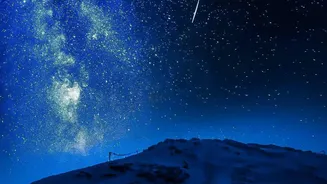
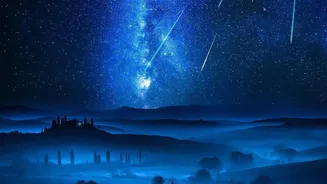
What Are the Perseids?
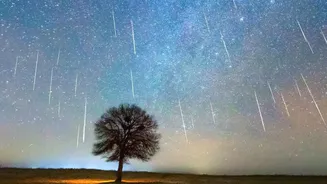
The Perseid meteor shower is an annual event that occurs every August when the Earth passes through a stream of cosmic debris left behind by a massive comet named 109P/Swift-Tuttle. This comet, which has a nucleus stretching 26 kilometres wide, orbits
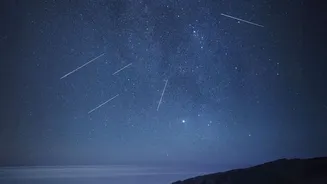
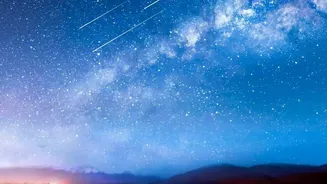
the sun every 133 years, leaving a trail of particles in its wake. When these tiny, sand-grain-sized particles slam into our atmosphere at nearly 60 kilometres per second, they burn up and create brilliant streaks of light we call meteors, or shooting stars. The Perseids are known for being bright, fast, and plentiful, often leaving long, glowing trails and occasionally producing extra-bright fireballs.
Why 2026 is a Perfect Year
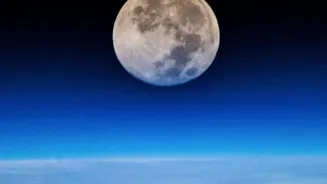
This year's shower is set to be exceptional for one simple reason: no moonlight. The peak of the shower, on the night of August 12-13, coincides perfectly with the new moon. A new moon is invisible in the night sky, meaning the background will be as dark as possible. This pristine darkness allows even the faintest meteors, which are usually washed out by moonlight, to become visible. In ideal, clear conditions, observers can expect to see between 50 and 100 meteors per hour.
When and How to Watch in India
The shower is active from mid-July to late August, but the absolute best time to watch will be on the night of August 12 and into the pre-dawn hours of August 13. While the astronomical peak occurs during the evening of August 13 IST, the prime viewing window for India is between 2:00 AM and 4:30 AM on the morning of August 13. During these hours, the shower's radiant point—the spot in the constellation Perseus from which the meteors appear to originate—is high in the northeastern sky, maximizing the number of meteors you can see. You don't need a telescope or binoculars; the best tool is your naked eye, as it allows you to take in a wide view of the sky.
The Monsoon Challenge
For most of India, the biggest obstacle won't be city lights or finding the right time, but the weather. August is peak monsoon season, and heavy cloud cover can completely block the show. This makes finding a clear patch of sky the single most important factor for a successful viewing. After a heavy rainstorm, the following clear night can offer extraordinary transparency, as the rain washes dust from the atmosphere. However, relying on this is a gamble. Your success will heavily depend on checking local weather forecasts and being ready to take advantage of any breaks in the clouds.
Where to Find Clear Skies
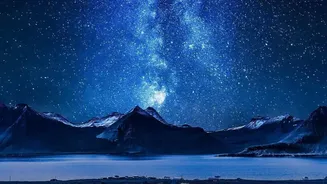
To increase your chances, consider travelling to a region less affected by the monsoon. The best bets in India are high-altitude, rain-shadow areas. Ladakh and the Spiti Valley in Himachal Pradesh are prime destinations, as they receive very little monsoon rain and boast some of the darkest, clearest skies in the country. The arid regions of Western Rajasthan, such as near Jaisalmer, and the Rann of Kutch in Gujarat are also excellent alternatives that largely avoid the monsoon systems. For those in other parts of India, the only strategy is to monitor forecasts and hope for a lucky break in the clouds.
Tips for the Best Experience
Once you have your spot, find a comfortable place where you can lie flat on your back and look straight up. Give your eyes at least 20-30 minutes to fully adjust to the darkness; this means putting away your phone and avoiding any bright lights. You don't need to look only towards the northeast. While the meteors originate from Perseus, they can appear anywhere in the sky. Patience is key. Dress warmly, as even summer nights can get chilly, bring a blanket or a reclining chair, and settle in for one of nature's most reliable and beautiful performances.