


The Magic of the Sahyadris
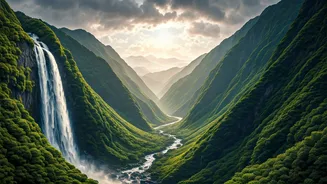
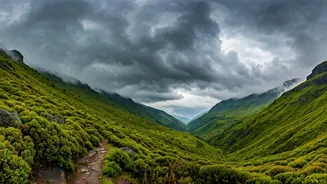
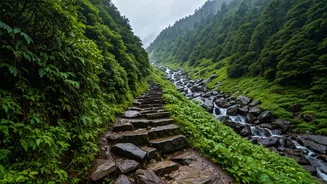
Nowhere is the monsoon’s transformation more dramatic than in Maharashtra’s Sahyadri mountain range. Popular treks like Rajmachi, Kalsubai, and Harishchandragad become entirely new worlds. The descent from Rajmachi fort, for instance, turns from a dusty,
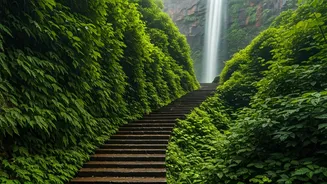
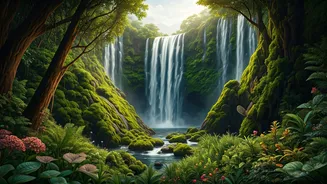
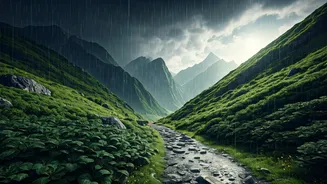
rocky path into a slippery, moss-laden trail flanked by dozens of temporary waterfalls. The thrill comes not just from the stunning views of clouds rolling through the valleys, but from the technical challenge itself. Every footstep requires focus. A simple descent becomes a full-body workout and a test of your balance and nerve. The reward? The unparalleled feeling of being inside a living, breathing landscape, with the rumble of cascading water as your constant companion. Sturdy trekking poles and shoes with deep grooves are not optional here; they are your best friends.
Goa's Lush and Unseen Trails
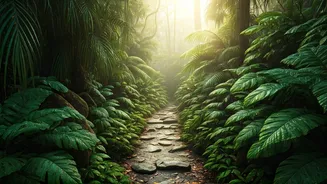
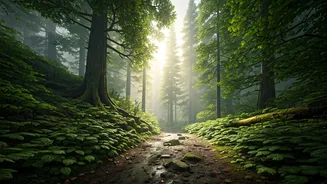
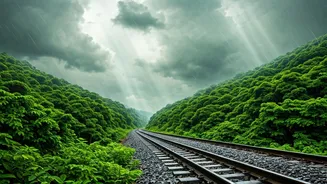
When you think of Goa, you probably picture sun-drenched beaches. But during the monsoon, its hinterland awakens. Treks to Dudhsagar Falls are legendary, but the journey itself is the main event. The path, often following a railway track through dense jungle, becomes a slippery, muddy adventure. Descending through the Bhagwan Mahavir Wildlife Sanctuary, you’ll be navigating swollen streams and incredibly dense foliage. The humidity is intense, and the leeches are plentiful (carry salt!), but the payoff is immense. You’ll witness the 'Sea of Milk' in its most powerful form, a thunderous cascade that feels primal and untamed. The descent is a cautious affair, a reminder that nature is firmly in charge. It’s a side of Goa many tourists never see, and a thrill that stays with you long after your clothes have dried.
Uttarakhand's Valley of Flowers
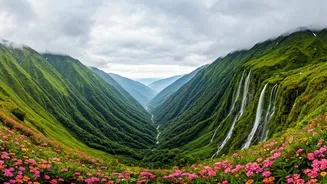
While many high-altitude Himalayan treks are off-limits during the monsoon due to landslides, the Valley of Flowers in Uttarakhand is a spectacular exception. This UNESCO World Heritage Site only truly comes alive between July and September. The trek itself is moderately challenging, but the monsoon adds a layer of complexity and beauty. The descent from Ghangaria isn't just a walk down; it's a journey through mist and meadows carpeted with over 300 species of alpine flowers, including the elusive blue poppy. The rain makes the stone-paved paths slick and the air crisp and cold. The thrill here is more sublime than adrenaline-pumping. It’s the sheer, overwhelming beauty of your surroundings, a floral paradise cradled between towering, cloud-wreathed peaks. A good waterproof jacket and pants are essential to enjoy the descent without being soaked and chilled to the bone.
Karnataka’s Green Kingdom: Kudremukh
The Kudremukh trek in Karnataka is famous for its rolling green hills, which bear a striking resemblance to a Windows XP wallpaper. In the monsoon, this landscape becomes even more vivid. The name ‘Kudremukh’ means ‘horse face,’ referring to the shape of a mountain peak. The descent from the peak is a long, winding journey through open grasslands and dense shola forests. The monsoon rains turn the grassy slopes into a slick, slide-like surface, making a controlled descent a fun challenge. You’ll cross numerous small, gurgling streams that weren't there in the dry season. The clouds play a game of hide-and-seek, one moment offering panoramic views of the Western Ghats, the next enveloping you in a thick, white blanket. The thrill is in the vastness and the feeling of being a tiny speck in a massive, rain-washed kingdom.