






The Power of Gourds
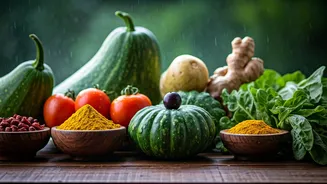
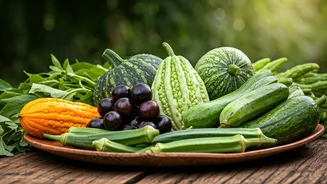
The vegetable market during the monsoon is a showcase of various gourds, and for good reason. Vegetables like bitter gourd (karela), bottle gourd (lauki), and ridge gourd (tori) are trending not just for their availability but for their immense health
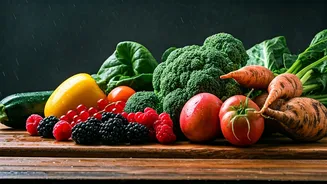
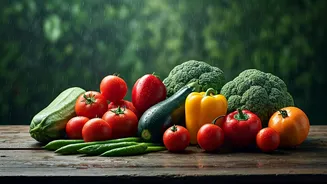
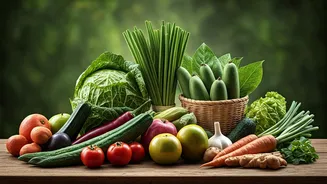
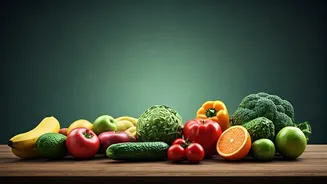
benefits. [21] These vegetables are light on the stomach, easy to digest, and packed with essential nutrients and fibre, which is crucial when the digestive system naturally slows down due to high humidity. [21, 24] Bitter gourd, in particular, is lauded for its ability to strengthen immunity and detoxify the liver, helping the body fight off common monsoon infections. [13] Instead of heavy, oily preparations, the modern approach is to steam or add them to soups and light curries to retain their goodness. [7]
Antioxidant-Rich Seasonal Fruits
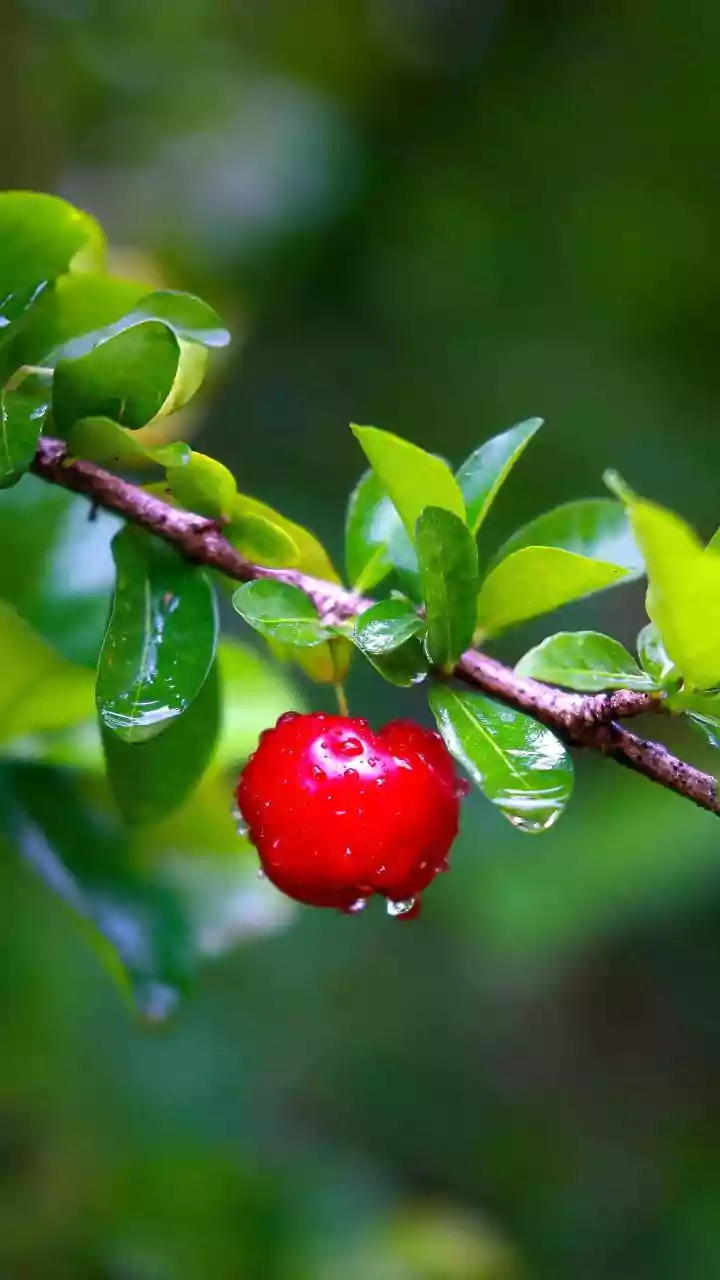
While we often crave fried snacks, this season’s trending fruits offer a healthier way to indulge. Jamun (Indian blackberry), pears (nashpati), plums, and cherries are at their flavourful best during the monsoon. [5, 21] Jamun is a true superfood for this season, known for its ability to control blood sugar, improve digestion, and prevent infections thanks to its high vitamin C and antioxidant content. [13] Pears are another excellent choice, providing a good dose of fibre that aids digestion. [11] The key is to eat them fresh and avoid pre-cut fruits from street vendors to minimise the risk of waterborne illnesses. [5, 8]
The Golden Trio: Ginger, Garlic, and Turmeric
This trio of spices is a cornerstone of Indian cooking and traditional medicine, and their popularity soars during the monsoon. Their potent anti-inflammatory, antiviral, and antibacterial properties are exactly what the body needs to ward off colds, coughs, and flu. [3, 7] Ginger is excellent for digestion and soothing a sore throat, while garlic’s compound allicin is a powerful natural antimicrobial. [3, 5] Turmeric, with its active ingredient curcumin, is a well-known immunity enhancer. [9] A simple cup of ginger tea, adding freshly crushed garlic to dals and soups, or a nightly glass of warm turmeric milk (haldi doodh) are simple, effective trends for staying healthy. [3, 9]
Embracing Warm, Cooked Meals
Ayurveda and modern nutrition science agree: the monsoon is the time for warm, freshly cooked meals. [6, 7] The humidity can weaken our digestive fire (Agni), making it harder to process raw or cold foods. [4] This is why there's a renewed interest in traditional comfort foods like moong dal khichdi, warm vegetable soups, and broths. [10, 18] These dishes are not only nourishing and easy to digest but also provide hydration. [12, 23] Steamed snacks like dhokla or idli are also gaining favour over their deep-fried counterparts, offering a gut-friendly way to enjoy the season. [14]
Probiotics for Gut Health
A healthy gut is the foundation of a strong immune system, a fact that's becoming more mainstream. During the monsoon, the risk of digestive issues and gut infections increases. [21] Including probiotics in your diet is a key trend to combat this. Freshly prepared buttermilk (chaas) and curd (dahi) are excellent sources of good bacteria that help maintain a healthy gut microbiome. [5, 7] Ayurvedic wisdom suggests opting for buttermilk during the day as it is lighter on the digestive system than curd. [4, 19] These traditional foods help fight off bad bacteria and improve nutrient absorption, making your body's defences stronger from the inside out.
Pulses and Legumes for Strength
Protein is essential for building and repairing body tissues and for producing antibodies that fight infection. [5] During the monsoon, light and easy-to-digest pulses like moong dal, lentils, and chickpeas are particularly beneficial. [6] They provide the necessary protein without putting a heavy load on the digestive system. A simple dal, a comforting bowl of khichdi made with moong dal, or even a moong dal chilla for breakfast are great ways to incorporate these proteins. [10] This focus on plant-based protein aligns with the overall trend of eating lighter, more digestible food during the rainy season. [19]