




Kaziranga: A World Heritage Site
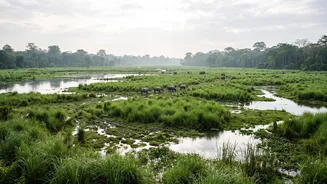
Located in the heart of Assam, Kaziranga National Park is a UNESCO World Heritage Site celebrated for its incredible biodiversity. Stretching across the floodplains of the Brahmaputra River, its landscape is a stunning mosaic of tall elephant grass, dense
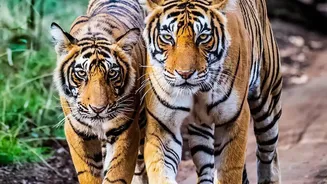
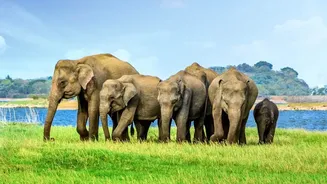
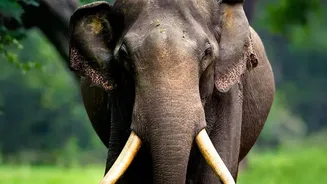
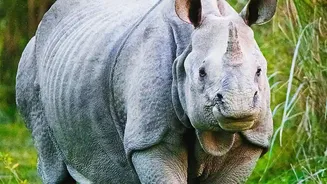
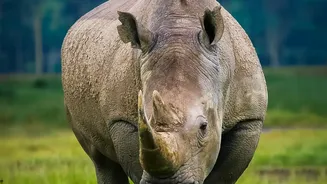
forests, and sprawling wetlands. This unique environment is the perfect habitat for the greater one-horned rhinoceros, making Kaziranga the most important stronghold for the species on the planet. But the park is more than just rhinos; it's also a vital sanctuary for elephants, tigers, wild water buffalo, and a spectacular array of birdlife, making it one of India's premier wildlife destinations.
The Best Time to Visit
Timing is everything when planning a trip to Kaziranga. The park is open to visitors from November to April, closing during the monsoon season (May to October) due to widespread flooding from the Brahmaputra River. The ideal window for most visitors is between November and February. During these months, the weather is cool and pleasant, and the grasses are shorter post-monsoon, which significantly improves visibility for wildlife spotting. The months of March and April can be warmer, but they also offer excellent sighting opportunities as animals gather around shrinking water bodies. For the best experience with comfortable weather and fewer crowds, aim for November or early December.
Choosing Your Safari Zone
Kaziranga is divided into four main safari zones, each offering a distinct experience. The Central Range (Kohora) is the most popular, offering a balanced mix of grasslands and wetlands with a high density of rhinos. The Western Range (Bagori) is also famous for its frequent rhino sightings and is often the best bet for seeing these giants up close. For avid birdwatchers, the Eastern Range (Agoratoli) is a paradise, known for its vast water bodies that attract a multitude of migratory and resident birds. The Burapahar Range offers a more rugged, hilly terrain for those seeking a different landscape. For first-time visitors, a safari in the Central or Western zones is highly recommended.
Jeep vs. Elephant Safari: Which to Choose?
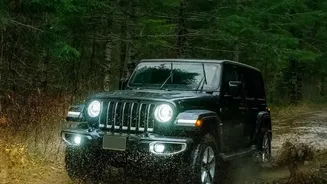
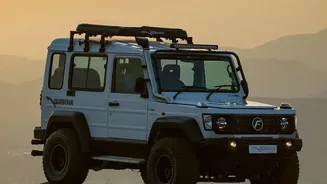
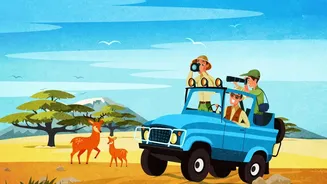
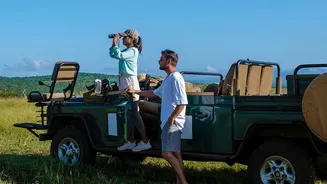
Visitors can explore the park via two main modes: jeep safari or elephant safari. The jeep safari is the most common choice, allowing you to cover a much larger area and explore different habitats within a single trip. Lasting a few hours, jeeps offer a better chance to see a wider variety of animals and are more comfortable, especially for families. The elephant safari, in contrast, is a shorter, one-hour ride conducted early in the morning in the Central and Western zones. Its unique advantage is the ability to navigate through tall grasslands where jeeps cannot go, often providing incredibly close and quiet encounters with rhinos who are accustomed to the elephants. For the ultimate experience, many travellers recommend doing both: start with a magical elephant safari at dawn, followed by a longer jeep safari to explore the park's vastness.
A Conservation Success Story
A trip to Kaziranga is more than just a safari; it's a chance to witness one of the world's greatest conservation triumphs. In the early 20th century, the great one-horned rhinoceros was hunted to the brink of extinction, with only a few dozen individuals remaining in this area. Thanks to the efforts of early conservationists like Mary Curzon and decades of strict protection by the Assam government and forest department, the population has made a spectacular comeback. Today, Kaziranga is home to over 2,600 rhinos, a testament to the power of dedicated conservation. Seeing these prehistoric-looking animals thriving is a powerful and inspiring experience.
Practical Tips for Your Safari
To make the most of your trip, book your safaris and accommodation well in advance, especially during the peak season from December to February. Safaris can be booked online through the official government portal. When packing, remember that early morning safaris in winter can be very cold, so bring layers, including a warm jacket, gloves, and a hat. Binoculars are highly recommended to get a closer look at distant wildlife. Always carry a valid photo ID, as it's required at the entry gates. Finally, hire a knowledgeable guide. Their expertise in spotting animals and understanding their behaviour will immeasurably enhance your safari experience.