

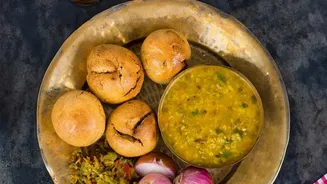

The Great Culinary Rewind
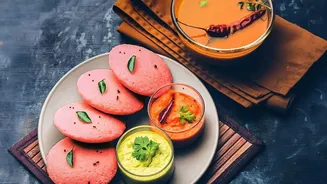
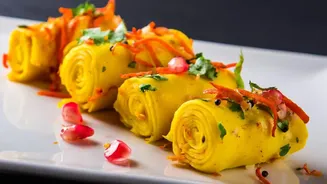
A culinary renaissance is underway across India, and it’s not about inventing new dishes, but rather, rediscovering old ones. Chefs and home cooks are digging deep into the country's vast agricultural heritage, bringing once-commonplace ingredients back
to the forefront. For decades, many of these grains, lentils, and spices were relegated to rural kitchens or considered 'poor man's food', overshadowed by polished rice, wheat, and a handful of standardised spices. Today, they are celebrated for their unique flavours, nutritional benefits, and the stories they tell about India's diverse culinary history. This movement represents a significant shift from the fusion food trends of the past towards a deeper appreciation for authenticity and local provenance.
Horse Gram: The Unlikely Hero
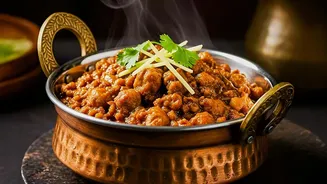
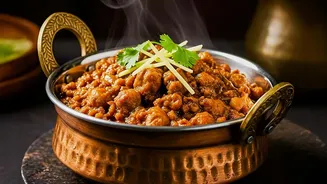
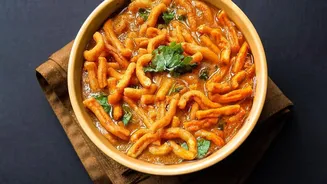
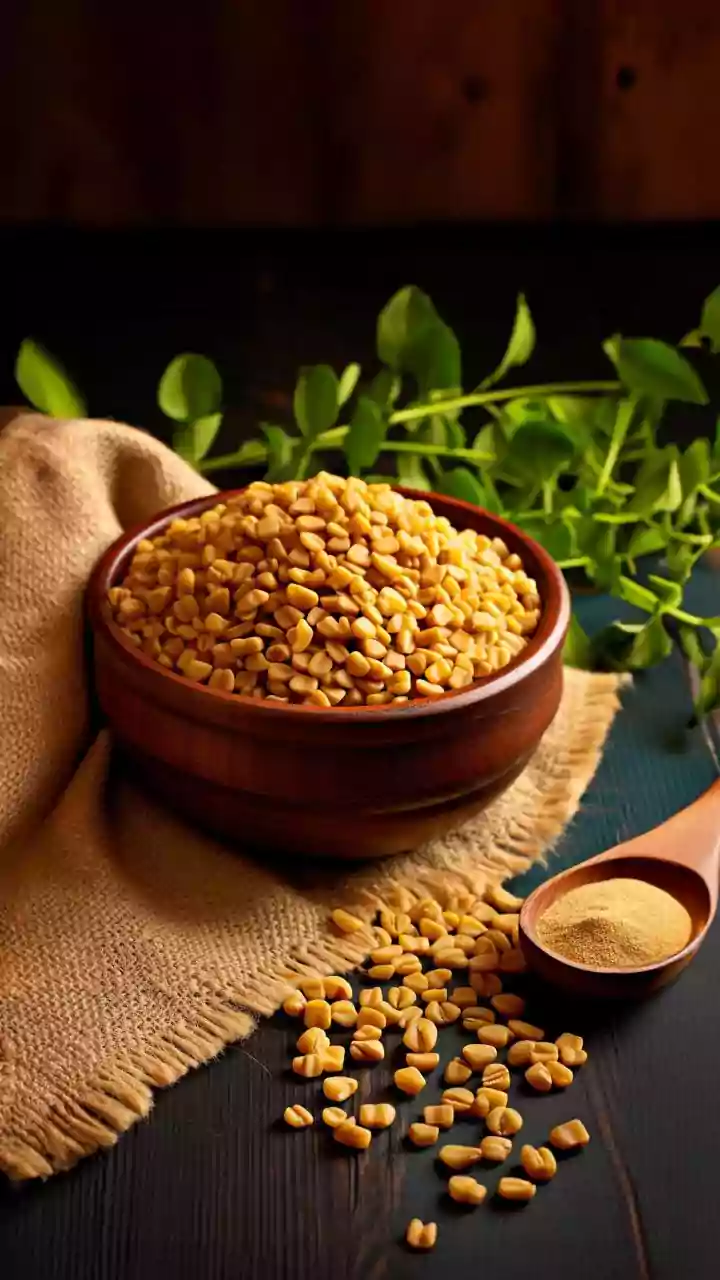
Among the most prominent comeback stories is that of horse gram, known as 'kulthi' in Hindi and 'kollu' in Tamil. Traditionally used as cattle feed, especially for racehorses, this hardy lentil is one of the most protein-rich legumes available. With an earthy, robust flavour, it’s now being featured in everything from traditional 'saaru' (a thin stew) and chutneys in South Indian restaurants to innovative, protein-packed dishes in modern urban cafes. Its resurgence is driven by a growing awareness of its incredible nutritional profile; it is packed with protein, calcium, and iron, and has long been valued in Ayurveda for treating various ailments. This humble lentil, once a symbol of rural sustenance, is now a celebrated superfood.
Rediscovering the Spice Cabinet
The spice box is also getting a heritage makeover. While turmeric and cumin have gained global fame, chefs are now exploring hyper-regional spices that offer unique flavour profiles. Think of Dagad Phool or Kalpasi, a type of lichen with a mysterious, smoky flavour that is essential for Maharashtrian Goda Masala and Chettinad cuisine. From the Himalayan foothills comes Jakhiya, a tiny, dark seed with a nutty crunch, used to temper dals and vegetables in Garhwali food. In Kerala, chefs are using Kodampuli (Malabar tamarind), a souring agent that imparts a distinct smoky tang to fish curries, different from the more common tamarind. These spices, once confined to specific community kitchens, are now adding complexity and authenticity to fine-dining menus nationwide.
Why Now? A Hunger for Authenticity and Wellness
Several factors are fuelling this revival. Firstly, there's a growing consumer demand for food that is both healthy and authentic. Ancient grains like millets (jowar, bajra, ragi) are being hailed for being gluten-free, high in fibre, and packed with nutrients. This aligns with a global wellness trend that prioritizes whole, unprocessed foods. Secondly, a new generation of Indian chefs is acting as cultural custodians, travelling to remote villages, studying old texts, and collaborating with home cooks to unearth lost recipes and ingredients. They see themselves not just as cooks, but as storytellers preserving India's culinary biodiversity. Finally, digital platforms like Instagram have become 'digital archives', allowing food enthusiasts to share and discover regional dishes, creating a buzz that moves from social media feeds to restaurant tables.
More Than Just a Meal
This return to roots is about more than just what’s on the plate. It has the potential to create a more sustainable food system by promoting agricultural diversity. Cultivating a wider range of crops, including hardy, drought-resistant grains like millets and horse gram, reduces the pressure on environmental resources. It also offers economic benefits to small-scale farmers who cultivate these traditional crops, connecting them with new, premium markets. By choosing to cook with and eat these heritage ingredients, consumers and chefs are participating in a movement that champions local foodways, supports farming communities, and ultimately, preserves the rich, diverse tapestry of Indian cuisine for future generations.