





Why the Monsoon is Perfect for Beginners
The monsoon season is nature’s nurturing hand for aspiring gardeners. The consistent rainfall means you can worry less about daily watering schedules, a common hurdle for newcomers. The high humidity in the air is fantastic for helping seeds germinate
and young cuttings take root. Cooler temperatures also reduce the stress on young plants, giving them a strong start. This season provides a forgiving environment where small mistakes are less likely to be fatal for your fledgling garden. It’s an opportunity to learn and grow alongside your plants, with the weather as your supportive partner.
Choosing Your Pots and Place
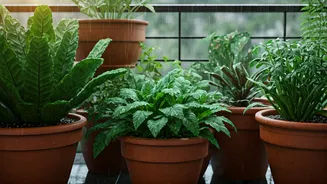
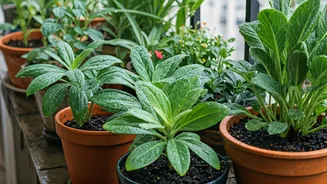
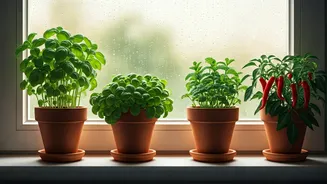
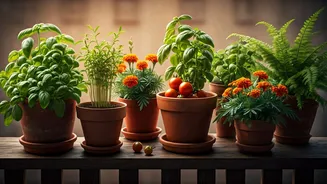
In small-space gardening, your container is your garden bed. The most crucial feature for a monsoon garden is drainage. Look for pots with plenty of holes at the bottom to prevent waterlogging, which can lead to root rot. Terracotta (mitti) pots are excellent as they are porous and allow roots to breathe. You can also use grow bags, recycled plastic containers (be sure to drill holes!), or hanging baskets to maximise vertical space. Find a spot that gets at least 3-4 hours of sunlight, even if it's indirect. A windowsill, a balcony railing, or a small corner that receives morning light is ideal. Also, consider sheltering your plants from very heavy downpours, which can damage delicate leaves and flowers.
Getting the Soil Just Right
The foundation of any healthy plant is good soil. Bagged potting mix from a local nursery is a great, hassle-free start for beginners. However, if you want to mix your own, a simple and effective recipe for monsoon conditions is one part garden soil, one part compost (like vermicompost), and one part cocopeat. The soil provides structure, the compost delivers essential nutrients, and the cocopeat helps with aeration and moisture retention without becoming waterlogged. This well-draining mix ensures that even with daily rains, your plant’s roots won't be sitting in a puddle, which is the number one enemy of container plants during this season.
Easy Plants for a Monsoon Balcony
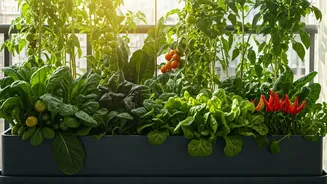
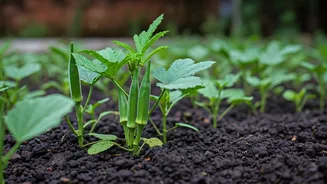
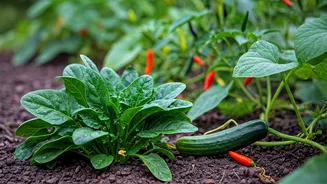
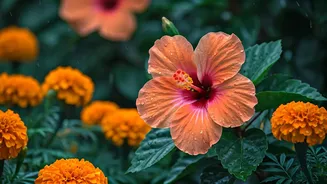
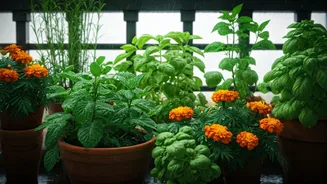
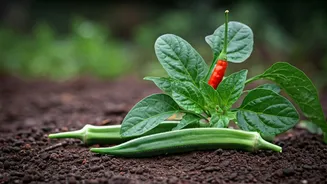
The best part is deciding what to grow. For a monsoon start, focus on plants that love water and humidity. **Herbs:** Kitchen essentials like tulsi, mint (pudina), and lemongrass thrive in these conditions. They grow fast and give you fresh ingredients for your chai and chutneys. **Vegetables:** Opt for quick-growing varieties. Leafy greens like spinach (paalak) and amaranth (chaulai) are great choices. You can also easily grow lady's finger (bhindi), chillies, and brinjal from saplings. Vining plants like cucumber can be trained up a trellis to save space. **Flowers:** Add a pop of colour with monsoon-loving flowers. Marigolds (genda) are not only beautiful but also act as a natural pest repellent. Balsam, zinnia, and portulaca (office time flower) are other vibrant, low-maintenance options that will brighten up the greyest of days.
Essential Monsoon Care Tips
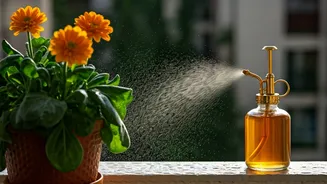
While the monsoon is helpful, it also brings unique challenges. First, don't overwater. Check the soil with your finger; if the top inch feels damp, hold off on watering, even if it hasn't rained. Second, keep an eye out for pests and fungal infections, which are common in high humidity. A simple spray of neem oil solution (a few drops of neem oil and liquid soap in a litre of water) once a week can keep most problems at bay. Third, ensure good air circulation between your pots to help leaves dry faster. Finally, provide support like small stakes for plants like tomatoes or chillies, which can be knocked over by strong winds and rain.