





Jamun: The Tart Purple Powerhouse
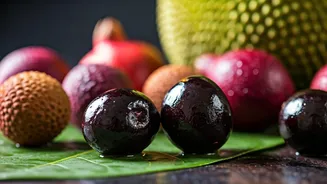
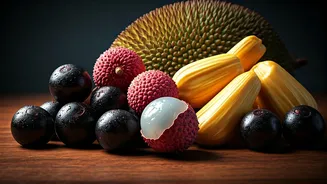
Let’s start with a deep cut for most American palates: the jamun, or Java plum. This small, oblong fruit looks like a giant, dark purple olive, and it’s a beloved monsoon treat in India and across Southeast Asia. The taste is a complex journey, starting
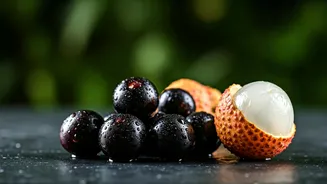
with a burst of sweetness that quickly gives way to a sharp, astringent tartness that will make your mouth pucker in the best way possible. The experience is often described as a mix between a plum and a slightly unripe grape, with a uniquely earthy finish. Don’t let the astringency scare you; it’s part of the charm. Jamuns are known for staining everything they touch a brilliant violet, so handle with care. Traditionally, they are tossed with a pinch of salt (or black salt, for the adventurous) to balance the tartness and enhance the sweetness. Look for them in the freezer section of Indian grocery stores, as their short shelf life makes fresh imports tricky. They’re packed with vitamin C and iron, making them a nutritious seasonal kick.
Lychee: The Perfumed Summer Jewel
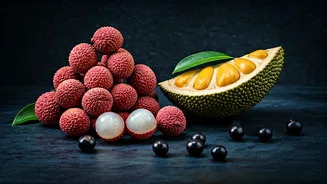
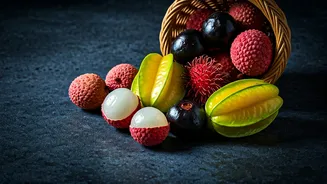
If you know one fruit on this list, it’s probably the lychee. With its bumpy, reddish-pink shell and translucent, pearly white flesh, the lychee is the unofficial superstar of early monsoon season. Peeling one is a satisfying ritual: crack the leathery skin with your thumbnail, and the slick, fragrant fruit pops out, leaving behind a single, glossy brown seed inside. The flavor is unforgettable—a delicate, floral sweetness with notes of rose, pear, and grape. It's like eating a solid, juicy perfume. When buying fresh lychees (often found in Asian markets from late spring into summer), look for firm shells with a bright reddish color. Avoid any that are cracked, leaking, or have turned brown. They are best enjoyed fresh and chilled, but they also make a fantastic addition to cocktails, sorbets, and salads. Just be sure to eat them quickly, as they lose their potent aroma after a few days in the fridge.
Rambutan: Lychee's Wild-Haired Cousin
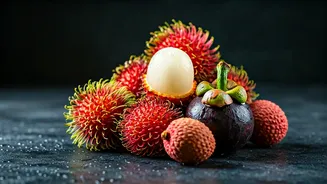
If a lychee went to a punk rock show, it would come back as a rambutan. Covered in soft, spiky 'hairs' (the name comes from the Malay word for hair, *rambut*), this fruit looks far more intimidating than it is. The 'spikes' are pliable and harmless, and the peel is easily torn open to reveal a fruit that’s strikingly similar to a lychee: a sweet, translucent orb with a central seed. The flavor, however, is subtly different. Rambutans are generally a bit creamier and less floral than lychees, with a straightforward sweet-and-sour profile that’s incredibly refreshing. They are a staple across Southeast Asia during the rainy season. To eat one, slice the rind around the middle with a knife (or carefully use your teeth, as locals do) and twist to separate the two halves. The juicy fruit inside is your reward for getting past its wild exterior.
Mangosteen: The Queen of Fruits
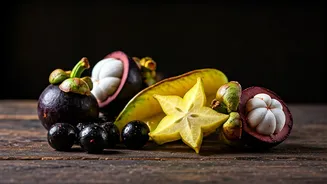
Hailed in Southeast Asia as the 'Queen of Fruits,' the mangosteen is a true delicacy. It arrives in a thick, deep purple rind and is crowned with a green, woody calyx. Getting inside requires a bit of effort—score the rind around its equator and twist—but the prize is worth it. Inside, you’ll find pristine white segments of flesh, arranged like a head of garlic. The texture is soft, creamy, and melts in your mouth, while the flavor is a sublime balance of sweet and tangy, with hints of lychee, peach, and vanilla. For decades, fresh mangosteens were banned from import into the U.S. due to pest concerns, which only added to their mythic status. Now, thanks to irradiation treatment, they are available fresh in many specialty and Asian markets during their summer peak. Look for firm, unblemished rinds with a fresh green cap. The number of lobes on the bottom of the fruit supposedly corresponds to the number of delicious segments inside.