






What is Bodyweight Training?
At its core, bodyweight training is a form of strength training that uses your own body’s weight as resistance. Think push-ups, squats, lunges, and planks. But it’s so much more than these basics. The practice, also known as calisthenics, involves any
movement where you are pushing, pulling, or supporting your own mass. This could be a simple glute bridge lying on your floor or an advanced handstand push-up. Unlike weightlifting, which often isolates specific muscles, bodyweight exercises tend to be compound movements. This means they engage multiple muscle groups and joints at once, promoting functional strength that translates directly into everyday activities, like carrying groceries or playing with your kids.
The 'No-Gym' Revolution
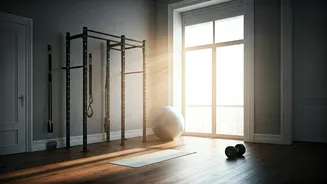
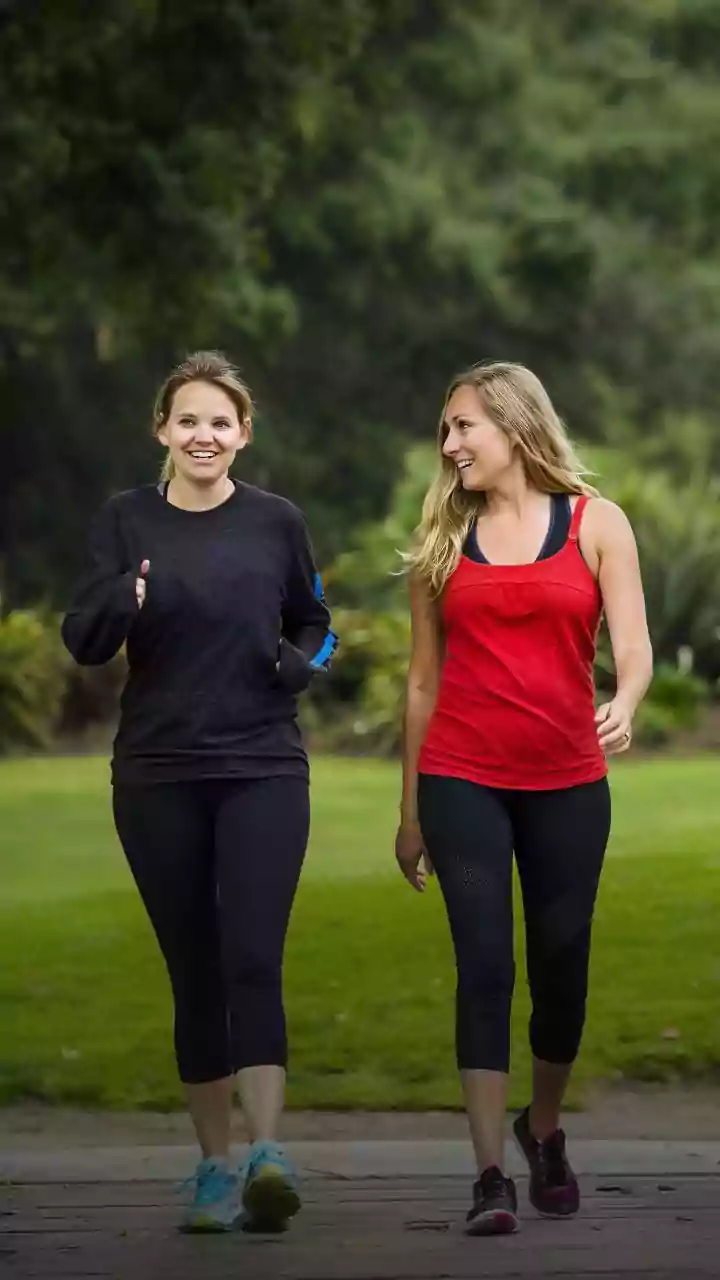
So, why the sudden explosion in popularity? For years, the American College of Sports Medicine (ACSM) has ranked bodyweight training among its top global fitness trends. But the COVID-19 pandemic acted as a massive catalyst. With gyms closed and people confined to their homes, millions discovered the effectiveness and convenience of a workout that required zero equipment. This shift was amplified by social media, where fitness influencers showcased impressive calisthenics skills and shared accessible home routines. Economic factors also play a role. In an era of rising costs, the appeal of a free, effective workout you can do anywhere—your living room, a park, a hotel room—is undeniable. It democratises fitness, removing the financial and geographical barriers that often keep people from staying active.
More Than Just Convenience
The benefits of using your own body as a gym extend far beyond convenience and cost. Bodyweight exercises are exceptional for building a strong, stable core, which is the foundation for almost all movement and key to preventing lower back pain. They also improve balance, flexibility, and mobility, as you’re forced to control your body through a full range of motion. Because you’re not locked into a machine’s fixed path, your stabiliser muscles have to work harder, leading to better joint health and a reduced risk of injury. This focus on functional movement patterns makes bodyweight training incredibly efficient, building a physique that is not just aesthetically pleasing but also capable and resilient in real-world scenarios.
Keeping It Challenging
A common misconception is that bodyweight training is only for beginners and that you’ll eventually 'outgrow' it. This couldn't be further from the truth. The key to continuous progress is progressive overload, and you don’t need heavier weights to achieve it. You can make exercises harder by changing the leverage (like elevating your feet for a push-up), increasing the range of motion (like doing a deeper squat), adding instability (like lifting one leg during a plank), or increasing the time under tension by slowing down the movement. Moving from a standard push-up to an archer push-up, or from a squat to a pistol squat, presents a significant challenge for even the most seasoned athletes. The skill ceiling is virtually limitless.
How to Get Started
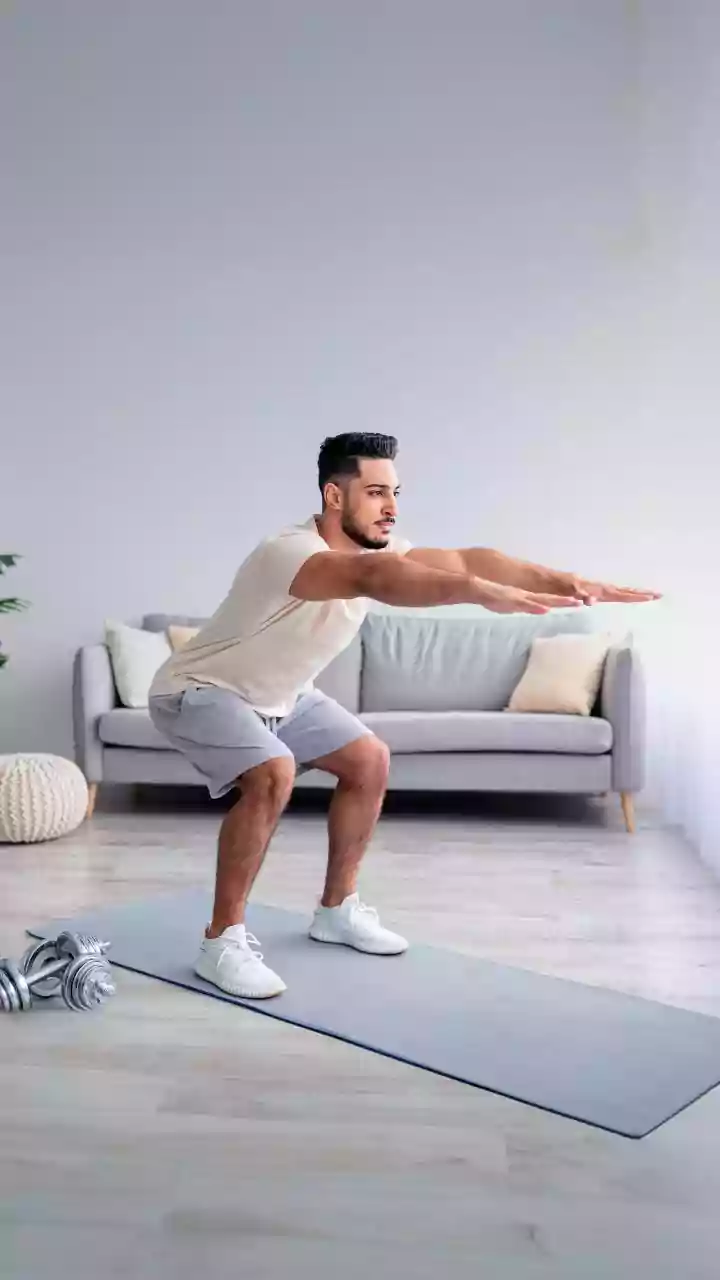
The beauty of bodyweight training is its simplicity. You can start right now with a few foundational movements. Aim for good form over high repetitions. 1. **Squats:** Stand with feet shoulder-width apart. Lower your hips back and down as if sitting in a chair, keeping your chest up and back straight. Go as low as you comfortably can, then push through your heels to return to the start. 2. **Plank:** Hold a push-up position, but rest on your forearms instead of your hands. Keep your body in a straight line from head to heels, engaging your core and glutes. Hold for 30 seconds or more. 3. **Glute Bridges:** Lie on your back with your knees bent and feet flat on the floor. Squeeze your glutes and lift your hips until your body forms a straight line from your shoulders to your knees. Hold for a moment, then lower back down.