





Pesarattu from Andhra Pradesh
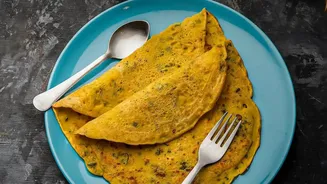
Forget your usual dosa. The Pesarattu is a wholesome, protein-packed crepe from Andhra Pradesh made from whole green moong dal. Unlike its fermented cousin, the batter for Pesarattu is made fresh by soaking green gram, often with a little rice for crispness,
and grinding it with ginger, cumin, and green chillies. The result is a beautiful, naturally green dosa that is both hearty and healthy. It’s typically served with a fiery ginger chutney (Allam Pachadi), which provides the perfect warming kick for a damp monsoon morning. A popular variation, the MLA Pesarattu, comes stuffed with savoury rava upma, making it an even more filling meal that originated in the MLA quarters in Hyderabad.
Sidu from Himachal Pradesh
From the cool, misty mountains of Himachal Pradesh comes Sidu, a traditional steamed bread that is the ultimate comfort food. Made from a yeasted wheat flour dough, this bread is stuffed with a variety of fillings before being steamed. While winter is its peak season, the warmth and softness of Sidu make it a monsoon favourite. Common stuffings include a savoury paste of urad dal, walnuts, or a sweet and nutty mix of poppy seeds (khus khus) and jaggery. The dough is left to rise for a few hours, which makes the final product incredibly soft and fluffy. Served hot with a generous dollop of desi ghee or a tangy mint chutney, a plate of Sidu while watching the rain fall on the hills is an experience in itself.
Puttu and Kadala Curry from Kerala
Down south in Kerala, the monsoon breakfast of choice is often Puttu and Kadala Curry. Puttu is a unique dish made by steaming cylinders of ground rice flour layered with fresh, grated coconut. The preparation happens in a special 'puttu kutti' or puttu maker, which gives it its signature shape. While the puttu itself is mildly sweet from the coconut, it is the perfect vessel for its classic partner: Kadala Curry. This is a rich, spicy curry made from black chickpeas (kala chana) cooked in a fragrant gravy of roasted coconut and spices. The combination of the soft, crumbly puttu and the hot, flavourful curry is a quintessential Kerala experience, offering a comforting and substantial start to a rainy day.
Bhapka Pitha from Assam
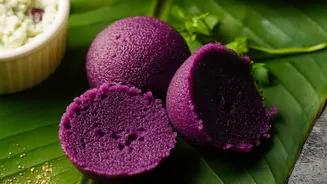
From the east, particularly Assam and Bengal, comes Bhapka Pitha, a type of steamed rice cake that is beloved during cooler, wetter months. The name itself comes from 'bhap', meaning steam. These pithas are made from freshly ground rice flour and traditionally have a sweet filling of jaggery and grated coconut, sometimes spiced with cardamom. The mixture is placed in a small bowl, covered with a cloth, and then steamed over a pot or kettle, which makes them incredibly soft and moist. It's a simple, rustic delicacy that relies on the quality of its ingredients—the fragrance of the new rice and the sweetness of the fresh jaggery. Enjoyed warm, often with a cup of tea, it’s a gentle and delicious way to embrace a drizzly morning.
Methi Thepla from Gujarat
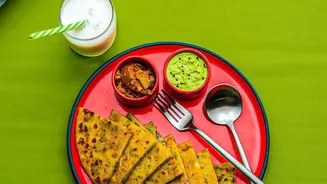
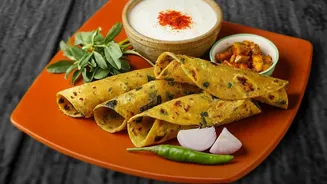
A staple in Gujarati households, Methi Thepla is a versatile flatbread that is perfect for any time of the day, but especially comforting for breakfast during the monsoon. These are soft, thin flatbreads made from whole wheat flour, gram flour (besan), and a generous amount of fresh fenugreek (methi) leaves. Spices like turmeric, red chilli powder, and carom seeds add to its distinct flavour. The slight bitterness of the methi leaves, combined with the warmth of the spices, makes it incredibly flavourful. Theplas are often made with yoghurt in the dough, which keeps them soft for days, making them a popular travel food. During the monsoon, however, they are best enjoyed hot off the griddle, served with plain curd, pickles, or a steaming cup of masala chai.