







The Great Corporate Migration
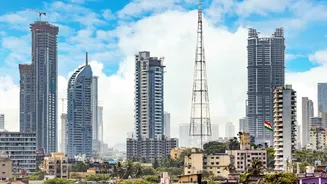
For decades, a career in the corporate world meant moving to a Tier-1 city like Bengaluru, Mumbai, or Delhi. These metropolises were the undisputed hubs of opportunity. Now, the tide is turning. Major IT and BPO (Business Process Outsourcing) companies,
including giants like Infosys, Accenture, and Wipro, are increasingly setting up substantial operations in Tier-2 and Tier-3 cities such as Jaipur, Coimbatore, Indore, and Bhubaneswar. This strategic shift isn't about small satellite offices; it's about building large-scale facilities that handle critical functions, creating a 'reverse migration' of jobs from crowded urban cores to the heartland. This move is reshaping India's economic map, decentralising growth and opportunity.
The Compelling Arithmetic of Costs
A primary driver behind this trend is simple economics. Operating costs in Tier-1 cities have become prohibitively high, with soaring office rents and competitive salaries eating into profits. Smaller cities offer a significant financial advantage. Companies report that shifting to a Tier-2 or Tier-3 location can result in operational cost savings of anywhere from 20% to as high as 60%. These savings come from more affordable real estate, lower overheads, and more competitive salary structures. This cost arbitrage allows companies to scale their operations efficiently while enhancing profitability, making the move a strategic financial decision.
A Fresh, Untapped Talent Pool
Contrary to outdated beliefs, skill is not confined to the metros. Smaller cities and their surrounding regions host a vast, educated, and ambitious workforce. With numerous technical and engineering colleges spread across the country, companies are finding a steady stream of job-ready graduates right where they are. This local talent pool is often more stable, with significantly lower attrition rates compared to the hyper-competitive job markets of major cities. Attrition in rural BPOs can be as low as 3-5%, compared to over 50% in some urban centres. For employees, it means a quality career without having to leave their hometowns and families, leading to higher loyalty and retention.
Digital Infrastructure Bridges the Gap
The transformation would be impossible without technology. The government's Digital India initiative, coupled with private investment, has led to a dramatic improvement in the country's digital infrastructure. The widespread availability of high-speed internet, reliable power, and advanced telecom networks even in remote areas has made geography less of a barrier. A support agent can now serve a global client from a town in Odisha just as effectively as from an office in Gurgaon. This digital connectivity is the great equaliser, enabling a 'work-from-anywhere' culture that has been a catalyst for decentralising operations.
Government as a Growth Partner
Proactive government policies at both the central and state levels have been instrumental in encouraging this shift. Initiatives like the Smart Cities Mission and the Urban Infrastructure Development Fund (UIDF) are focused on improving the infrastructure in smaller cities. Furthermore, state governments offer attractive incentives to businesses, such as subsidies, tax benefits, single-window clearances, and land rebates to set up shop in these emerging hubs. Recent policies, like the ₹10,000 crore SME Growth Fund approved in late 2026, specifically target strengthening enterprises in Tier-2 and Tier-3 industrial clusters, further fuelling this trend.
More Than Just Business
The impact of this trend extends far beyond corporate balance sheets. It's a powerful engine for regional development and social change. By creating employment opportunities in smaller towns, these companies are helping to reduce the pressure of migration on overcrowded cities and stemming 'brain drain' from rural areas. It leads to a rise in local household incomes, stimulates the local economy, and fosters the growth of ancillary MSMEs. This symbiotic relationship, where companies gain cost benefits and communities gain sustainable development, is creating a more balanced and inclusive economic growth story for India.