





What is FSSAI's Big Move?
The Food Safety and Standards Authority of India (FSSAI) is cracking down on misleading labels and introducing major changes to how nutritional information is displayed on packaged foods. The most significant change is the proposed front-of-pack labelling
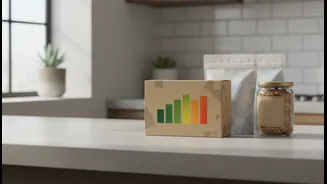
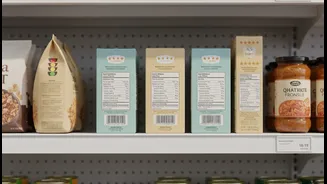
(FoPL) system, designed to give you a quick, at-a-glance summary of a product's healthfulness. This includes the Health Star Rating (HSR), which rates foods from half a star to five stars. Think of it like an energy rating for your appliances, but for your snacks. A higher star rating generally signifies a healthier choice. While the HSR system is currently voluntary, it's expected to become mandatory, pushing brands toward greater transparency.
Why the Crackdown is Happening Now
This isn't just about bureaucracy; it's a response to a growing public health crisis. India is currently facing a massive spike in lifestyle diseases, with over 101 million people living with diabetes and a high prevalence of hypertension and obesity, even among the young. A major driver is the increasing consumption of ultra-processed foods that are high in fat, sugar, and salt (HFSS). These new labels are a tool to help consumers understand what's really in their food, combatting the rise of these non-communicable diseases by enabling healthier choices.
Decoding the New Labels: A Shopper's Guide
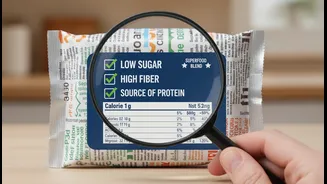
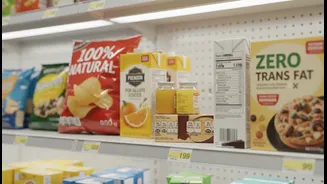
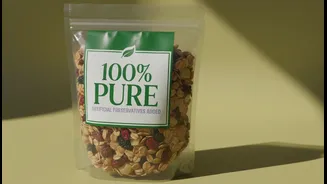
When you see the new labels, here's what to look for. The Health Star Rating (HSR) will be the most visible cue. It calculates a score based on 'negative' nutrients like calories, saturated fat, total sugar, and sodium, and balances them against 'positive' nutrients like protein and fibre. A product with five stars is a healthier option in its category than one with just one star. Alongside stars, FSSAI is pushing for clear warnings for products that are High in Fat, Sugar, or Salt (HFSS). In early July 2026, FSSAI issued notices to several companies for making misleading claims like "100% Natural" on products that contained preservatives or advertising "fruit" eclairs with no fruit content. This action underscores the importance of looking past front-of-pack marketing and checking the actual ingredient list on the back.
Which Foods Will Look Different?
You'll see these changes most prominently in the snack, beverage, and ready-to-eat aisles. Products like chips, biscuits, instant noodles, sugary breakfast cereals, and sodas will be the first to be evaluated under the new system. Similarly, items often perceived as healthy, like flavoured yoghurts, dairy drinks, and some juices, will also come under scrutiny for their high 'added sugar' content. The goal is to provide a level playing field where a baked snack will clearly rate better than a fried one, and a drink with natural ingredients will stand apart from a sugar-sweetened beverage.
Beyond the Stars: A Holistic View on Health
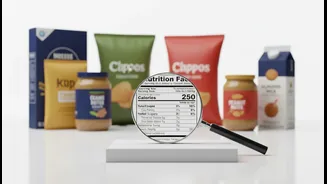
While the new FSSAI labels are a massive step forward for consumer awareness, they are a tool, not a complete solution. A five-star rating on a packaged snack doesn't make it a substitute for whole foods like fresh fruits and vegetables. Experts advise using the star ratings to make better choices within a specific category—for example, choosing a 3-star biscuit over a 1-star one. However, the most reliable information remains the full ingredient list and the nutritional panel on the back of the pack. These new regulations empower you to see past clever marketing and make an informed decision, but a balanced diet rich in minimally processed foods remains the foundation of good health.