







A Legacy at Risk
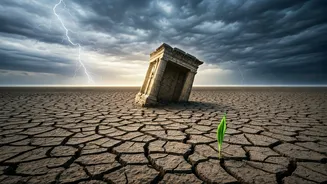
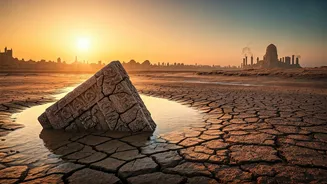
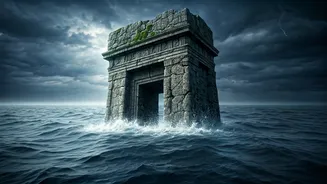
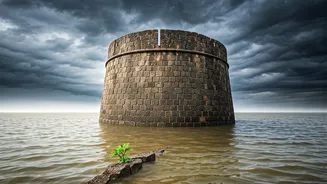
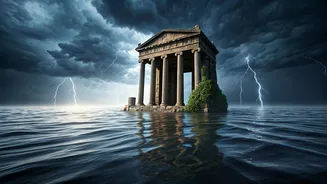
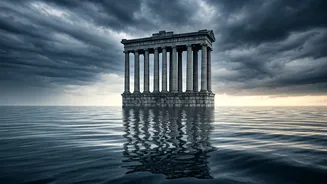
From the sinking foundations of Venice to the bleached corals of the Great Barrier Reef, the fingerprints of a warming planet are all over our world's most cherished landmarks. A recent UNESCO report highlighted that a vast majority of its listed sites
are already threatened by climate-related stressors. Extreme weather, rising sea levels, and temperature fluctuations are no longer abstract future threats; they are actively eroding the very fabric of our shared human and natural history. The Taj Mahal, for instance, is threatened by water scarcity that damages its foundation, while the ancient adobe walls of Chan Chan in Peru face destruction from flooding. This isn't just about losing beautiful places; it's about the potential erasure of cultural memory and natural wonder.
Beyond the Postcard View
For decades, travel has been about the perfect photo, the iconic view captured in time. But what if the most important part of the story is what lies just outside the frame? The story of a glacier's retreat, a coastline's erosion, or a forest's vulnerability to fire tells a deeper, more urgent tale than the static image of a monument. Understanding that the stones of a historic building are being cracked by unprecedented heat cycles, or that delicate ecosystems are collapsing, provides a profound context that traditional guidebooks often miss. This is not about ruining a holiday with doom and gloom; it's about enriching the experience with a layer of truth that fosters a deeper connection to the place.
The Makings of a Climate-Aware Guide
A climate-aware heritage guide, whether a person or a resource, would do more than recite dates and architectural styles. Their role would be to weave the story of climate change into the narrative of the site itself. They would point out the high-water marks from recent floods in Venice, explain the science behind coral bleaching while snorkeling in the tropics, or discuss the impact of drought on the ancient agricultural terraces of a mountainside community. This guide would be an educator and a storyteller, equipped to explain complex environmental issues in an accessible way. They would connect travellers with local conservation efforts, promote sustainable practices like using public transport or avoiding single-use plastics, and empower visitors to understand their role within a fragile system.
A Deeper, More Meaningful Way to Travel
Adopting a climate-aware approach doesn't diminish the joy of travel—it amplifies its meaning. It transforms the passive tourist into an engaged witness and a potential advocate. Learning about the challenges a destination faces fosters empathy and a sense of shared responsibility. It encourages a shift from 'last-chance tourism'—the frantic rush to see something before it's gone—to a more mindful, restorative form of travel. When we understand the full story of a place, including its vulnerabilities, our visit becomes an act of appreciation, not just consumption. We leave not only with beautiful memories but also with a greater understanding of our interconnected world and the part we play in its future.