


The Original Comfort Food: Khichdi
Khichdi is arguably India's most recognized and ancient one-pot meal. Its history is deeply rooted in the subcontinent, with mentions in ancient texts and archaeological evidence dating back 2,000 years. The name itself derives from the Sanskrit word
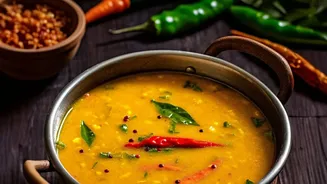
'khiccā', meaning a dish of rice and legumes. At its core, it is a simple preparation of rice and lentils cooked together, but its genius lies in its balance and adaptability. The combination of cereal and pulses creates a complete protein, making it a nourishing and easily digestible meal. This is why it's often one of the first solid foods given to babies and a preferred meal for recovery. Over centuries, it evolved from a humble staple to a dish worthy of royalty, with Mughal emperors like Jahangir and Aurangzeb having their own favoured versions. Today, its variations are endless, from the soupy Bengali Khichuri and millet-based versions in Rajasthan to the spicy Hyderabadi Keema Khichdi made with minced meat.
Aromatic Simplicity: Tehri and Pulao
Often described as a vegetarian cousin to biryani, Tehri is a fragrant one-pot rice dish from Uttar Pradesh. It typically features rice cooked with potatoes, peas, cauliflower, and an array of whole spices. Historians believe Tehri gained popularity as a flavourful vegetarian alternative when meat was less accessible. Unlike the layered technique of biryani, everything in Tehri cooks together, allowing the vegetables and rice to absorb the aromatic spices, resulting in a complex flavour profile achieved with simple methods. Pulao, another one-pot staple, follows a similar principle of cooking rice with vegetables, spices, and sometimes meat or paneer. While found across the country, these dishes exemplify the art of creating a complete, satisfying meal in a single vessel, perfect for a family dinner without the hassle of multiple pots and pans.
Southern Jewel: The Magic of Bisi Bele Bath
From Karnataka comes Bisi Bele Bath, whose name translates to 'hot lentil rice dish'. This iconic dish is a testament to the complexity and depth that a one-pot meal can achieve. It's a rich medley of rice, toor dal (split pigeon peas), seasonal vegetables, tamarind, and a touch of jaggery for balance. What truly sets it apart is the unique, freshly roasted spice powder that includes ingredients like coriander seeds, cinnamon, cloves, and dry coconut. Believed to have originated in the royal kitchens of the Mysore Palace, this dish combines multiple elements of a traditional meal—sambar, rice, and vegetables—into one harmonious whole. The final tempering of ghee, mustard seeds, and curry leaves adds a final layer of aroma and flavour, making it a celebrated comfort food far beyond Karnataka's borders.
Why These Dishes Endure Today
The resurgence of interest in these traditional one-pot meals is no accident. They are perfectly aligned with the demands of modern life. For busy professionals and families, they offer a nutritious, home-cooked meal without spending hours in the kitchen. The single-pot method means significantly less cleanup, a blessing on a hectic weeknight. Economically, these dishes are brilliant, often relying on pantry staples like rice, lentils, and seasonal vegetables, making them budget-friendly. Furthermore, they are inherently sustainable, promoting the use of local produce and reducing food waste by allowing for the easy inclusion of leftover vegetables. This blend of convenience, health, and frugality is the reason why these centuries-old recipes feel more relevant than ever.