






From Seasonal Ritual to Strategic Tool
For decades, the arrival of the monsoon in Bengaluru between June and September signalled the ideal time for planting trees. Citizen groups and government bodies have long utilised this period of moist soil and regular rain to organise plantation drives.
This annual greening effort was largely seen as a positive, but separate, community activity. The story, however, is changing. Faced with increasing climate pressures—harsher summers, water scarcity, and flash floods—the rain-fed planting window is now being viewed as a strategic tool for building urban resilience. The conversation has shifted from merely planting trees to integrating this natural cycle into the very fabric of city planning.
The Double-Edged Sword of Monsoon
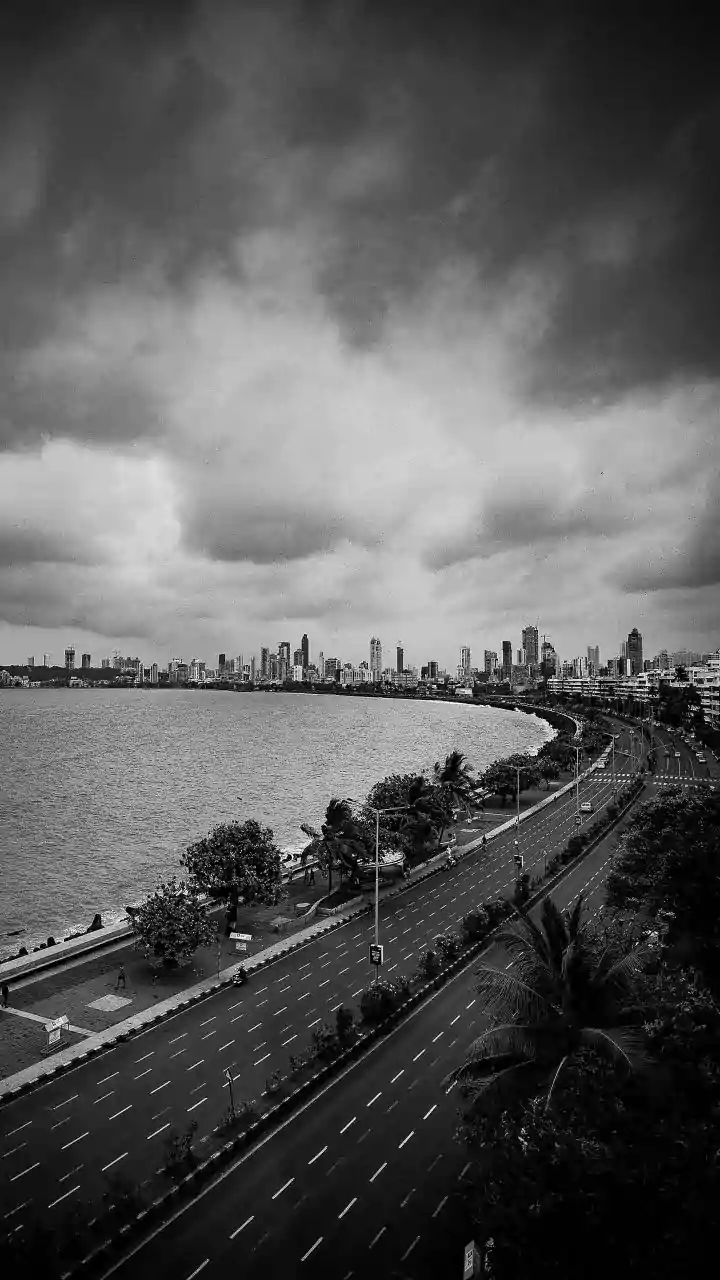
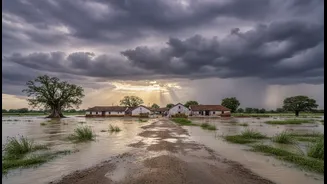
Bengaluru's rapid, often unplanned, urbanisation has created a paradox. The same rains that are perfect for nurturing saplings now cause chaos on the streets. Widespread concretisation prevents rainwater from percolating into the ground, leading to severe waterlogging and floods. The city's old network of interconnected lakes and stormwater drains (rajakaluves), which once managed excess rainwater, has been largely encroached upon or has fallen into disrepair. This turns a seasonal advantage into a civic crisis. The new planning conversation, therefore, isn't just about trees; it's about using strategic greening during the monsoon to solve the city's water problems. Planting native species and creating green spaces can help absorb runoff, recharge groundwater, and mitigate flooding.
A New Blueprint for Urban Greening
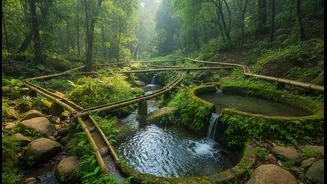
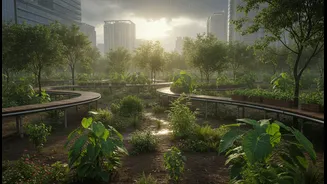
Recognising these challenges, both official policy and citizen action are evolving. The Bengaluru Climate Action and Resilience Plan (BCAP) explicitly identifies enhancing green cover as a key strategy for mitigation and adaptation. This involves moving beyond simple tree planting to a more sophisticated approach to urban forestry. The focus is now on selecting the right native species, ensuring long-term maintenance, and identifying suitable land. There's a growing understanding that urban trees face unique challenges like constrained spaces and pollution. Innovative solutions like Miyawaki forests, converting underutilised public spaces, and even rooftop forests are becoming part of the discussion to combat the urban heat island effect and improve air quality.
The Role of Citizen Collectives and Policy
This shift is being powerfully driven from the ground up. Citizen groups are no longer just volunteers for a day's planting drive; they are active partners in planning and long-term care. Groups like the HSR Citizen Forum collaborate with the BBMP to identify land, raise funds, and ensure the survival of saplings. In response, authorities like the Bangalore Development Authority (BDA) are adopting more scientific approaches, with commitments to monitor survival rates and involve communities in upkeep. This collaborative model, where citizen enthusiasm is matched with government accountability, is crucial. The goal is to move past the historically low survival rates of mass planting drives and create lasting green infrastructure.
Reimagining the Garden City
The story of Bengaluru's planting window is now a story about its future. With green cover having reportedly plummeted over the years, the urgency is palpable. The state's forest minister has warned that without significant greening, the city's livability is at risk. By treating the monsoon as a core part of the planning calendar, Bengaluru can strategically reclaim its 'Garden City' identity. This means embedding green infrastructure—permeable surfaces, revitalised lakes, and dense urban forests—into every aspect of development. It requires a fundamental change in mindset, where every patch of public land is seen as a potential green lung for the city.