


A Tale of Sun and Soil
The word 'chutney' is derived from the Hindi word 'chatna', meaning 'to lick'. Originally, these pastes were less about taste and more about function, with roots in Ayurveda where they were used to aid digestion and balance the body. But over centuries,
they evolved, absorbing the character of their surroundings. The fundamental ingredients of a chutney are dictated by what the land provides. The climate determines which crops flourish, the terrain influences what can be foraged, and the seasons dictate whether a chutney is made fresh or preserved. This is why a journey through India’s chutneys is a journey through its geography.
The Coastal Embrace of Coconut
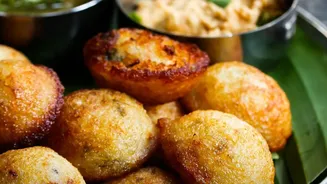
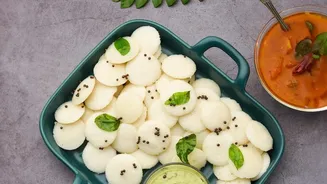
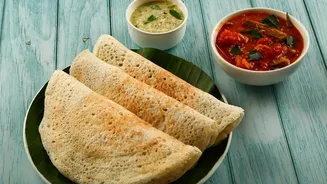
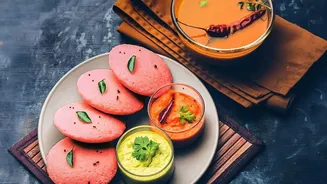
In the tropical, humid climate of Southern India, the coconut palm reigns supreme. Coconuts are abundant, and their fresh, sweet flesh forms the base of the region’s most iconic chutneys. The classic white coconut chutney, served with idli and dosa, is a testament to this, blending grated coconut with green chillies, ginger, and a tempering of mustard seeds and curry leaves. But the variations are endless. Tamarind is added for a tangy note, roasted lentils (dal) for a nutty texture and protein boost, or raw mango for seasonal sharpness. Each version is a subtle nod to the agricultural wealth of the southern states.
The Fresh Pulse of the North
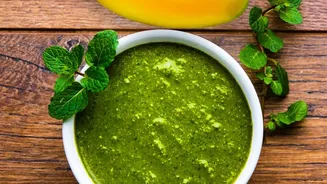
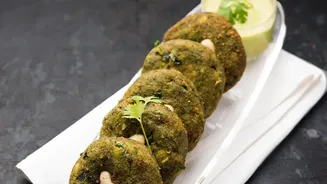
Northern India, with its more defined seasons, has a different approach. Here, chutneys are often made with fresh, seasonal herbs that provide a cooling counterpoint to rich, tandoori dishes and fried snacks. The most famous is the vibrant green pudina (mint) and coriander chutney, a zesty, refreshing blend that is ubiquitous with samosas and kebabs. When summer arrives, so do raw mangoes, which are turned into tangy, sweet-and-sour launji. The influence of the Mughal era is also felt in the north, with the introduction of fruit and nut-based chutneys that blend sweet and savoury notes.
Himalayan Resourcefulness
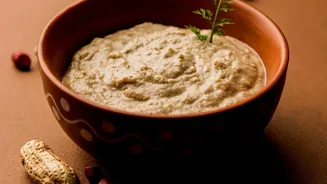
As you move into the Himalayan foothills of states like Uttarakhand, the ingredients change dramatically. The cooler climate and rugged terrain mean locals rely on what grows in the mountains. One of the most unique examples is Bhang Ki Chutney. Made from roasted hemp seeds, it has a rich, nutty flavour and a creamy texture, completely devoid of any psychoactive properties. The seeds, a great source of protein and healthy fats, are ground with local herbs, spices, and lemon juice. This chutney is a perfect example of how isolated communities create distinct culinary traditions based on available resources.
The Forager's Frontier in the East
In the forests of Eastern India, particularly in Odisha and Chhattisgarh, foraging culture gives rise to some of the most unconventional chutneys. The Similipal Kai Chutney, which recently earned a GI tag, is made from red weaver ants and their eggs. For local tribal communities, these ants are a valued source of protein and nutrients. The ants are ground with ginger, garlic, and chillies to create a pungent, sour chutney, with the tanginess coming from the formic acid naturally present in the ants. This remarkable dish highlights a deep connection to the forest and a food system that exists entirely outside of conventional agriculture.