

Why a Busy Brain Matters
For animals, especially those living exclusively indoors, life can become repetitive and dull. Without adequate stimulation, pets may develop problem behaviours like excessive chewing, scratching furniture, constant barking or meowing, or over-grooming.
These are not signs of a 'bad' pet, but often symptoms of boredom or anxiety. Mental enrichment gives your dog or cat a 'job' to do, allowing them to engage in natural behaviours like foraging, problem-solving, and exploring. This mental workout reduces stress, builds confidence, and helps prevent the cognitive decline that can come with age. A mentally stimulated pet is calmer, more focused, and ultimately, a happier member of the family.
Make Mealtime a Puzzle
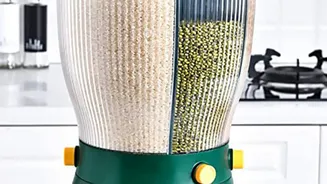
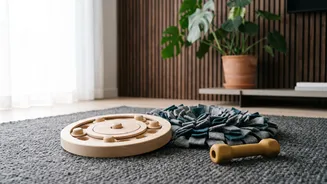
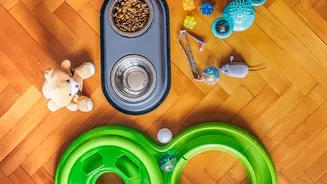
One of the easiest ways to introduce mental stimulation is by changing how you feed your pet. Instead of simply placing a bowl of food down, make them work for it. Puzzle feeders and treat-dispensing toys require your pet to paw, nudge, and think to get their kibble. This mimics their natural instinct to hunt and forage for food. For dogs, snuffle mats that encourage them to sniff out hidden treats are a great option, as is a simple muffin tin with tennis balls covering kibble in each cup. For cats, food puzzles can also slow down fast eaters, aiding digestion and preventing post-meal vomiting. Starting with an easy puzzle and gradually increasing the difficulty will keep them engaged and prevent frustration.
Engage Their Powerful Senses
A pet’s world is dominated by scent. Engaging this powerful sense is a fantastic form of enrichment. For dogs, you can play scent games by hiding treats around a room and encouraging them to 'find it'. Varying your walking routes also provides a rush of new smells and information for them to process. For cats, environmental enrichment can include providing cat-safe plants like catnip or wheatgrass to chew on. Even simple items like cardboard boxes and paper bags (with handles removed) can provide hours of entertainment and a safe, enclosed space to explore. These activities don't have to be complex; they just need to tap into your pet's natural curiosity.
Enrich Their Environment
An engaging home is a stimulating one. For cats, vertical space is crucial. Cat trees, window perches, and even sturdy, cleared shelves give them a vantage point to survey their territory, which helps them feel secure. Placing a bird feeder outside a window can provide endless entertainment. For both cats and dogs, rotating toys on a daily or weekly basis keeps things feeling fresh and new. A toy that has been hidden for a week can feel like a brand-new gift when it reappears. Even creating a simple DIY digging box for your dog or a cardboard box maze for your cat can provide a fantastic outlet for their energy and curiosity.
Training Is a Brain Game
Training sessions are not just about obedience; they are powerful mental workouts. Teaching your dog a new trick, or reinforcing old ones, requires them to think, focus, and problem-solve. Keeping sessions short, positive, and reward-based makes learning fun and strengthens the bond you share. This applies to cats, too. Many cats can be taught simple commands or tricks using positive reinforcement. This kind of cooperative interaction builds trust and provides a valuable shared activity that engages their sharp minds.