




What Makes a Plant 'Native'?
A native plant is one that has grown and evolved in a particular region for thousands of years without any human intervention. These are species that are perfectly adapted to the local climate, soil conditions, and rainfall patterns. Think of them as the original
residents of the land your city is built on. Unlike ornamental or exotic plants that may be imported from other countries, native species have deep, historical roots in the area. Choosing a native plant isn't just a gardening decision; it's an act of ecological restoration, helping to bring back a piece of nature that belongs. They are the foundation of the local food web, having co-evolved with the region's insects, birds, and other wildlife.
The Ripple Effect of a Single Pot
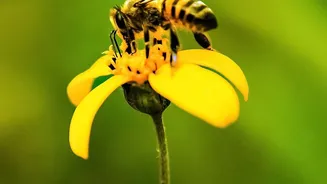
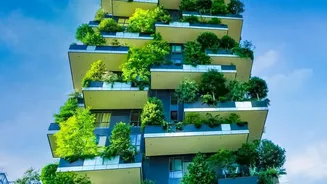
Planting a native species, even in a single pot, creates a powerful ripple effect. Because these plants are adapted to local conditions, they are generally hardier and more resistant to local pests, reducing the need for chemical pesticides and fertilisers. Their root systems are often deep and efficient, helping them tolerate local weather extremes while requiring less water than non-native varieties. But the biggest impact is on local biodiversity. Native plants provide the specific food and shelter that local pollinators—like bees, butterflies, and birds—need to thrive. An urban area dotted with native plant gardens can create a network of 'green corridors', allowing wildlife to move through the city and find nourishment, which is crucial as their natural habitats shrink.
A Garden That Tells a Story
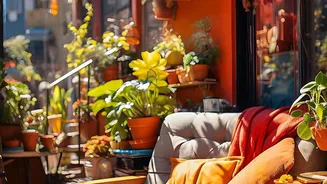
An urban garden filled with native plants is more than just beautiful; it has a sense of place and a story to tell. These plants connect your home to the region's natural and cultural heritage. Many native Indian plants, for instance, are deeply woven into cultural traditions, from the sacred Tulsi used in homes to the fragrant Mogra or Parijat flowers mentioned in folklore. Cultivating them is a way to engage with this heritage. It transforms your balcony from a generic space into a specific one that reflects the local landscape. It’s a daily reminder of the natural world that exists beyond the urban environment, fostering a deeper, more personal connection to your city's unique ecological identity.
Five Easy Native Plants for Urban India
Starting a native garden doesn't require a large space. Many species thrive in pots on balconies and terraces. Here are a few to consider: 1. Tulsi (Holy Basil): Revered and incredibly useful, Tulsi is hardy, thrives in containers in sunny spots, and is known to repel pests. 2. Hibiscus: With its large, vibrant flowers, hibiscus is a cheerful addition to any sunny balcony. It grows well in pots and attracts pollinators. 3. Aparajita (Butterfly Pea): This is a beautiful climber with striking blue or white flowers that can easily be trained along a railing or trellis, adding a splash of colour. 4. Marigold (Genda): Bright, easy to grow, and a natural pest deterrent, marigolds are a classic choice for sunny spots and are available in numerous varieties. 5. Mogra (Jasmine): Known for its intensely fragrant white flowers, Mogra grows well in pots in a sunny location and can fill your home with its wonderful scent.
Beyond Planting: Think Like an Ecosystem
To truly help your garden connect with the local ecosystem, think beyond just the plants. Adding a shallow dish of water can provide a crucial resource for birds and bees. Avoid using chemical pesticides, as these can harm the very pollinators you are trying to attract. Allowing some leaf litter to accumulate in your pots can also provide shelter for beneficial insects. By clustering plants together, you make it easier for pollinators to forage efficiently. These small steps help create a miniature, functioning habitat—a tiny ecosystem that supports life and brings a dynamic, natural energy to your urban space.