



The Daily Discard Dilemma
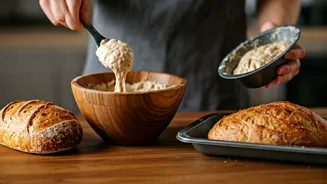
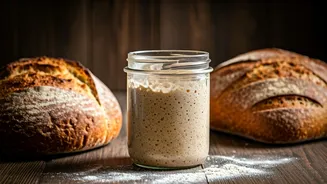
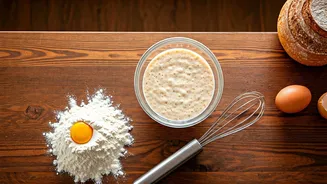
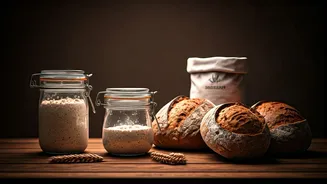
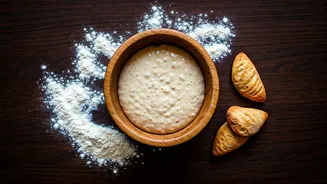
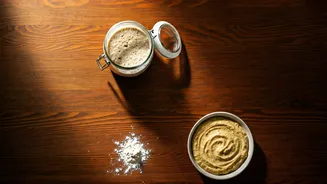
If you've ever nurtured a sourdough starter, you're familiar with the daily ritual of 'feeding' it with fresh flour and water. To keep the starter healthy and vigorous, a portion must be removed before each feeding. This removed portion is what's known
as 'discard'. While it lacks the leavening power of a freshly fed starter, it's a flavorful, fermented mixture of flour and water. For a single home baker, this might seem like a small amount of waste. However, for a commercial bakery or a city full of home bakers, this can add up to a significant amount of discarded flour, water, and potential.
The Environmental Cost of Food Waste
Tossing out sourdough discard contributes to the broader problem of food waste, which has a substantial environmental impact. When food waste ends up in landfills, it decomposes and releases methane, a potent greenhouse gas. Globally, food waste is a significant contributor to climate change. By viewing discard not as waste but as a usable ingredient, bakers can take a small but meaningful step toward a more sustainable kitchen. This shift in perspective is at the heart of the zero-waste baking movement, which seeks to minimize waste at every stage of the baking process.
From Problem to Pancake
The simplest way that urban bakers are tackling this issue is by incorporating the discard into other recipes. Since the discard is essentially a flavorful paste of flour and water, it can add a tangy depth and tender texture to a wide variety of dishes. It has become a secret ingredient that enhances flavor in unexpected ways. This practice not only prevents waste but also adds complexity and moisture to many baked goods, transforming them from standard fare into something special.
Savory Sensations and Sweet Treats
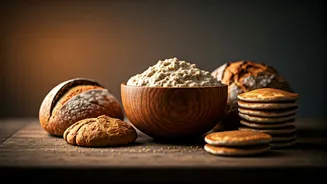
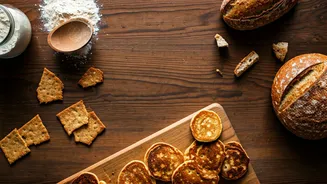
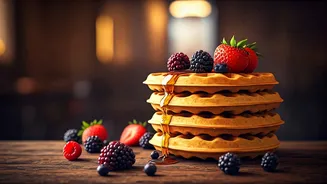
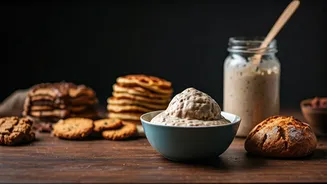
The versatility of sourdough discard is its greatest strength. For a quick breakfast, it can be whisked into pancake or waffle batter for a fluffy, tangy result. Creative home cooks are using it to make everything from crispy, flavorful crackers to tender, flaky biscuits. Others are adding it to pizza dough for a chewier crust, or even blending it into meatball mixtures for added tenderness and flavor. The possibilities extend to sweet treats as well. Bakers are incorporating discard into brownies, chocolate chip cookies, and scones, where its acidity balances the sweetness and enhances the overall flavor profile. Recipes abound for sourdough discard banana bread, muffins, and even cakes.
Bakeries Leading the Charge
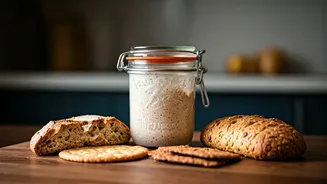
It's not just home bakers who are getting creative. Innovative urban bakeries are also finding commercial uses for their sourdough discard, turning a waste product into a revenue stream. Some bakeries are using their discard to create unique products like sourdough crackers, pretzels, and crumpets, which they sell alongside their bread. This not only reduces waste but also introduces customers to new, delicious items. By marketing these products as a sustainable choice, these bakeries are building a loyal following of environmentally conscious consumers and setting a new standard for the industry.