


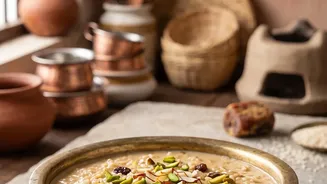
The Science of Porous Clay
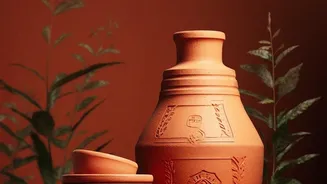
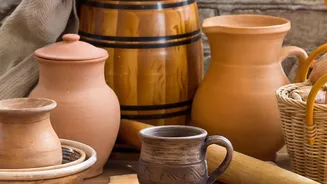
Unlike modern metal cookware designed for speed, earthenware is made from natural, porous clay. This porosity is the secret to its unique cooking properties. The tiny, microscopic pores in the clay allow it to 'breathe', absorbing and circulating heat
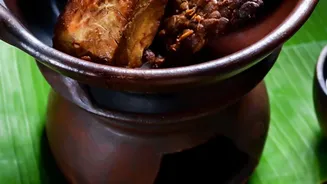
and moisture in a way that solid, non-porous materials like stainless steel or aluminium cannot. This fundamental difference means a clay pot doesn't just heat your food; it creates a stable, steamy environment where ingredients can cook gently and thoroughly. This process ensures your meal remains succulent and tender, as the pot creates a natural basting effect, cycling moisture back into the food instead of letting it evaporate away.
A Masterclass in Even Heat
Metal pans conduct heat quickly and sometimes aggressively, creating hotspots that can easily scorch ingredients. Clay, by contrast, is a poor conductor of heat, meaning it warms up slowly and distributes that heat far more evenly. Think of it as 'thermal inertia': the clay absorbs heat steadily, stores it within its walls, and then radiates it gently and uniformly into the food. This slow-motion magic prevents the harsh, direct heat that can lead to burnt exteriors and undercooked interiors. The result is a consistent cooking temperature throughout the pot, allowing complex dishes to simmer to perfection without the need for constant stirring or worry.
Locking in Flavour and Aroma
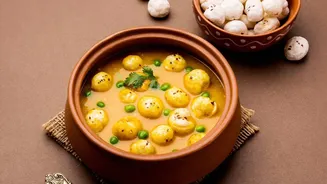
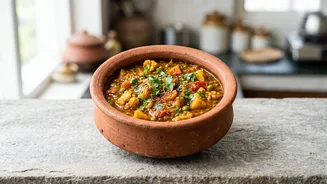
The combination of even heat and moisture retention is what makes food cooked in clay pots taste so distinctly rich and deep. Because the ingredients aren't subjected to high, direct heat, their delicate flavour compounds are preserved. Spices, herbs, and vegetables release their aromas gradually, allowing them to meld and infuse the entire dish without becoming bitter. The pot essentially stews food in its own juices, concentrating the natural flavours and creating a richer, more authentic taste that is often hard to replicate in metal cookware. This is why stews, curries, and bean dishes prepared in earthenware often have a more complex and satisfying flavour profile.
The Truth About Nutrient Preservation
The headline's claim about 'intact minerals' points to a key benefit of this gentle cooking method. High-heat cooking can degrade heat-sensitive nutrients like Vitamin C and various B vitamins. The slow, low-temperature environment inside a clay pot helps preserve more of these delicate nutrients that would otherwise be lost. Furthermore, clay is naturally alkaline. This property can help neutralize the acidity in foods like tomatoes, making them easier to digest and imparting a subtle sweetness. While clay pots do contain minerals like calcium, iron, and magnesium that can leach into food in trace amounts, their primary nutritional benefit comes from preserving the vitamins already present in the ingredients through a gentler cooking process.
More Than Just a Pot
Beyond heat distribution, clay pots offer other distinct advantages. Their porous nature means less oil is required for cooking, as the retained moisture prevents food from sticking and drying out. This makes it an excellent choice for those seeking lower-fat cooking methods. Unlike some coated metal pans, unglazed clay pots are free from synthetic chemicals, ensuring that nothing leaches into your food except the natural, earthy essence of the clay itself. By embracing this ancient technology, you are not just choosing a cooking vessel; you are opting for a method that enhances flavour, preserves nutrients, and connects your modern kitchen to a timeless culinary tradition.