




The Rain Shadow Advantage
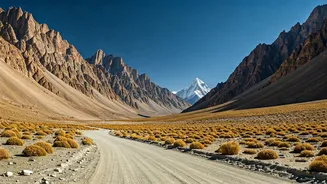
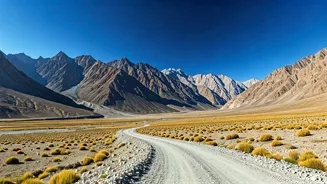
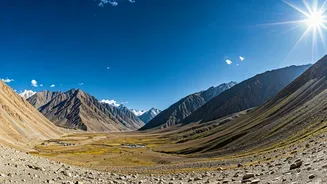
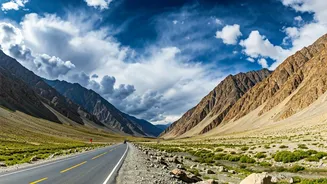
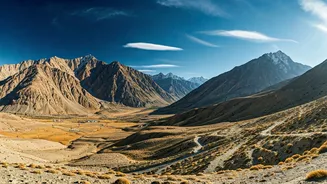
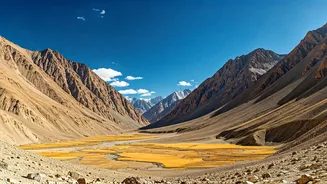
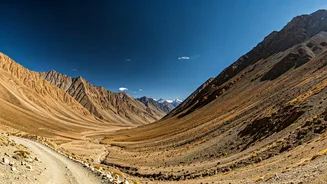
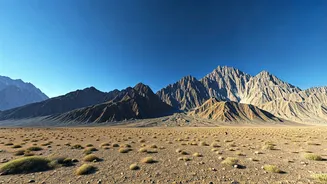
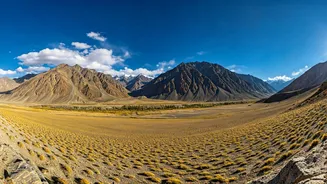
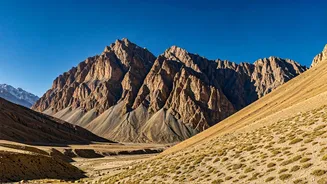
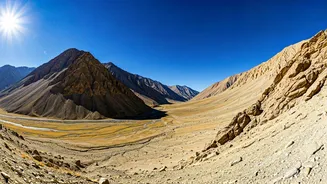
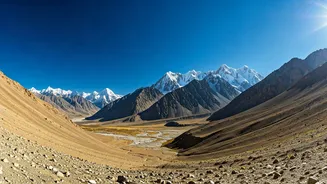
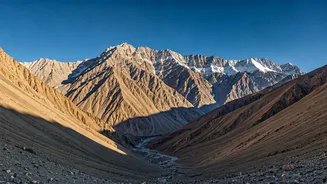
Spiti's magic during the monsoon lies in a simple geographical phenomenon: it’s a rain-shadow region. The towering Himalayan ranges to the south block most of the moisture-laden monsoon clouds from ever reaching the valley. While areas like Shimla and
Manali receive heavy rainfall, Spiti remains remarkably arid, with clear blue skies and strong sun. This unique climate means that from July to September, when travel in other mountain regions can be challenging, Spiti offers dry terrain perfect for exploration. The little moisture it does receive can transform parts of the stark brown landscape into patches of vibrant green, creating a stunning contrast against the barren mountains.
What to See and Do
Monsoon is an excellent time to explore Spiti's cultural and natural treasures with fewer crowds. The valley is home to some of the world's oldest and most spectacular Buddhist monasteries. Visit Key Monastery, the largest in Spiti, perched on a hilltop overlooking the valley, or the thousand-year-old Tabo Monastery, a UNESCO World Heritage site known as the 'Ajanta of the Himalayas' for its stunning murals. For adventurers, the trekking opportunities are immense. A hike to the pristine Dhankar Lake, located high above the Dhankar Monastery, offers breathtaking views. Another must-visit is Chandratal, the 'Moon Lake', a crescent-shaped body of water that captivates with its brilliant blue hues. The high-altitude villages of Komic, Hikkim (home to the world's highest post office), and Langza (known for its fossils) provide a unique glimpse into the resilient local culture.
Planning Your Journey
While Spiti itself is dry, the journey there requires careful planning as the access roads pass through regions affected by the monsoon. There are two main routes: one via Shimla and Kinnaur, and the other via Manali and the Kunzum Pass. The route from Shimla is longer but generally considered more reliable during monsoon, as it's less prone to severe blockages, though landslides can still cause temporary delays. The Manali-Kaza highway is shorter and more dramatic but riskier, with several water crossings that swell in the afternoon and a higher chance of road closures. Regardless of the route, a high-clearance vehicle is recommended. Always check the daily road status from official sources like the Border Roads Organisation (BRO) before starting each leg of your journey and build buffer days into your itinerary to account for potential delays.
Essential High-Altitude Tips
At an average altitude of over 12,500 feet, acclimatization is crucial to prevent Acute Mountain Sickness (AMS). The gradual ascent offered by the Shimla route is highly beneficial for this. On arrival, take it easy for the first day or two; avoid strenuous activity and allow your body to adjust. Hydration is key, so aim to drink 3-4 litres of water daily. Local wisdom suggests eating light, carbohydrate-rich meals and sipping on garlic soup, a traditional remedy for acclimatization. Pack in layers, as days can be sunny and warm while nights get cold. Sunscreen, sunglasses, and a hat are non-negotiable due to the strong high-altitude sun.