

The Journey to the Landfill
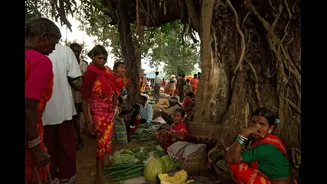
In India, a significant portion of the waste we generate in our homes is organic. This 'wet waste' includes everything from vegetable peels and leftover food to garden trimmings. When mixed with 'dry waste' like plastic, paper, and glass, it all embarks
on a one-way trip to massive landfill sites on the outskirts of our cities. These sites, some towering like small mountains, are already overflowing and pose significant environmental risks. The problem is that once this mixed waste arrives, the organic materials are buried deep under layers of other trash, setting the stage for a dangerous chemical reaction.
The Science of a Landfill
When organic matter like food scraps is buried in a landfill, it gets compacted and cut off from oxygen. This creates an oxygen-free, or 'anaerobic', environment. In these conditions, a specific group of microbes takes over the decomposition process. Instead of the natural, airy breakdown that happens in a compost pile, these microbes break down the waste and produce a mixture of gases, primarily methane (CH4). Landfill gas can be roughly 50% methane, a colourless, odourless gas that then begins to seep out of the landfill and into the atmosphere.
Methane: A Climate Super-Pollutant
While carbon dioxide (CO2) gets most of the attention in climate change discussions, methane is a far more potent heat-trapper in the short term. Over a 20-year period, methane is over 80 times more powerful at warming the Earth than CO2. Think of CO2 as a blanket that slowly warms the planet over centuries, while methane is like a blowtorch, causing intense warming right now. Because it has a shorter lifespan in the atmosphere—about 12 years compared to centuries for CO2—reducing methane emissions is one of the fastest ways to slow the rate of global warming. Landfills are one of the largest human-caused sources of these very emissions.
The Simple Fix: Separation at Source
The solution is surprisingly simple and starts in our kitchens. By separating our organic 'wet' waste from our 'dry' waste, we break the chain of methane production. When organic waste is kept separate, it can be diverted from landfills and processed differently. This is the core principle behind India’s Solid Waste Management Rules, which mandate source segregation to enable better processing. Keeping wet waste out of landfills prevents it from being buried without oxygen, thereby preventing the creation of methane in the first place.
From Problem Waste to 'Black Gold'
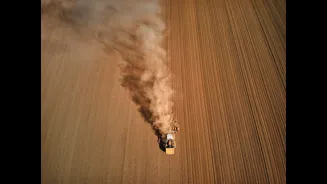
Separated organic waste is not trash; it’s a resource. Instead of generating methane in a landfill, this wet waste can be turned into compost through a process that uses oxygen (aerobic decomposition). This process produces nutrient-rich compost, often called 'black gold', which is a fantastic natural fertilizer. Using compost improves soil health, increases its ability to hold water, reduces the need for chemical fertilizers, and boosts crop yields. By turning waste into compost, we not only stop releasing a harmful gas but also create a valuable product that helps our agricultural soils become healthier and more resilient.
Your Role in a National Effort
Across the country, initiatives like the Swachh Bharat Mission are pushing for better waste management, with source segregation at its heart. Many municipalities have implemented systems for collecting wet and dry waste separately. By diligently separating our waste into the correct bins, we are doing more than just tidying up; we are participating in a large-scale environmental solution. Each household that segregates its waste contributes to reducing the load on our overflowing landfills, cutting down on potent greenhouse gas emissions, and creating a valuable resource for our farmers.