

The Double-Edged Sword of Antibiotics
Antibiotics are miracle drugs that have saved countless lives by killing harmful bacteria. However, they are not precision weapons. They often wipe out beneficial bacteria in our gut along with the bad, disrupting the delicate ecosystem known as the microbiome.
This internal community of trillions of microorganisms is essential for digestion, immunity, and overall health. When its diversity is reduced, we become more vulnerable to side effects like diarrhoea and, more seriously, the overgrowth of harmful microbes that were kept in check. This disruption creates an environment where dangerous, treatment-resistant infections can take hold, a problem that scientists are now realising may be influenced by our diet.
Sugar's Surprising Role in Gut Health
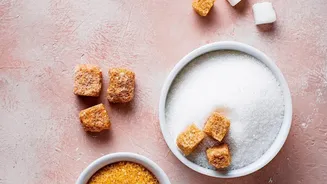
A major new study published in the journal Nature has shed light on how sugar amplifies the damage caused by antibiotics. Researchers from City of Hope, NYU Langone Health, and Memorial Sloan Kettering meticulously tracked the diets and gut microbiomes of hospitalised patients undergoing cancer treatment, a group that receives frequent antibiotics. The results were striking: the more sugar a patient consumed while on antibiotics, the greater the damage to their microbiome's diversity. For every 100-gram increase in sugar—the equivalent of a large milkshake—microbial diversity dropped significantly.
Fuelling the Wrong Kind of Bacteria
The combination of sugar and antibiotics appeared to create a perfect storm. As antibiotics cleared out the diverse population of good bacteria, the simple sugars provided a ready source of fuel for the opportunistic bacteria that survived. One particular organism, Enterococcus faecium, thrived in this environment. This is concerning because this bacterium is linked to difficult-to-treat hospital infections. In mouse experiments connected to the same study, a diet high in sucrose combined with antibiotic treatment caused Enterococcus levels to skyrocket by over 30 times within six days compared to controls. The sugar essentially fed the potentially harmful bacteria, allowing them to multiply rapidly in the absence of competition.
The Broader Link to Resistance
This isn't just about the gut. Other research has drawn a direct line between high blood sugar and the evolution of antibiotic resistance. Studies have shown that in a high-sugar environment, such as that found in individuals with uncontrolled diabetes, bacteria like Staphylococcus aureus can develop resistance much more quickly. The elevated glucose essentially fuels the bacteria, allowing them to multiply so rapidly that the chances of a drug-resistant mutation occurring increase dramatically. This highlights a broader principle: the body's internal environment, heavily influenced by diet and health status, can either help or hinder the fight against infection. Controlling blood sugar, therefore, becomes a key part of managing infection risk.
What Should You Do During Treatment?
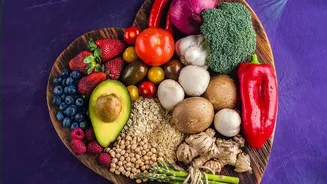
Based on this emerging evidence, experts suggest that being mindful of sugar intake while taking antibiotics could be a wise move. This is especially true for highly sweetened foods and drinks like sodas, juices, desserts, and even seemingly healthy options like nutritional shakes or smoothies that can be packed with sugar. The goal is to avoid providing an easy food source for potentially harmful bacteria that survive the initial antibiotic onslaught. While this research is new and clinical trials are needed to form firm guidelines, the principle of 'food as medicine' is gaining strong scientific backing. Choosing whole foods and limiting simple sugars could be a simple, powerful way to protect your gut and support your recovery during and after a course of antibiotics.