

The Tradition of Cold-Pressing
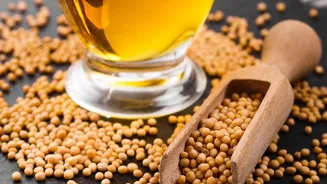
Before modern refining processes became the norm, oils were extracted using a simple, powerful method: cold-pressing. Known traditionally as 'kachi ghani' or 'chekku', this technique involves crushing seeds or nuts at low temperatures without using chemicals
or high heat. The goal is to extract the oil while preserving its natural essence. Unlike refined oils, which undergo processes that strip them of colour, odour, and nutrients, cold-pressed oils retain the original flavour, aroma, and nutritional profile of their source. This means the pungent kick of mustard, the nutty depth of groundnut, and the earthy notes of sesame are not just present, but front and centre.
Mustard Oil: The Pungent Powerhouse
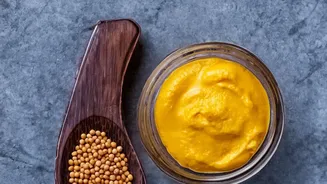
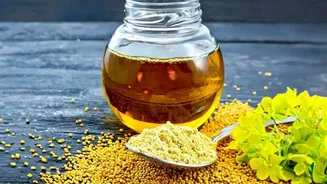
Cold-pressed mustard oil is the soul of many North and East Indian cuisines for a reason. Its characteristic sharp, pungent flavour is indispensable in dishes like Bengali fish curries and rustic pickles. The cold-pressing method ensures that the compounds responsible for this iconic taste remain intact. When used for a 'tadka' or tempering, heating the oil mellows its raw bite into a complex, warm aroma that lays the perfect foundation for spices. Beyond its bold taste, it is rich in monounsaturated fats and omega-3 fatty acids. Its relatively high smoke point also makes it suitable for a range of cooking methods, from sautéing to occasional frying.
Groundnut Oil: The Versatile Kitchen Staple
Cold-pressed groundnut oil, with its mild and subtly sweet nutty flavour, is a cornerstone of cooking in Western and Southern India. It doesn't overpower the other ingredients; instead, it enhances them. This quality makes it perfect for creating the balanced sweet, sour, and spicy notes in a Gujarati dal or providing the warm, rounded base for a Maharashtrian misal. With a moderate-to-high smoke point, it is exceptionally versatile, performing well for sautéing, tempering, and even frying snacks like pakoras, giving them a crisp finish without feeling heavy. The oil's ability to withstand long cooking durations also makes it ideal for slow-cooked dishes.
Sesame Oil: The Earthy Elixir
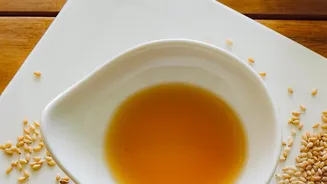
Often called 'gingelly oil', cold-pressed sesame oil offers a rich, distinct, and earthy flavour that is central to many South Indian recipes and some winter delicacies in the North. Its robust, nutty character can transform a simple dish, lending depth to everything from salad dressings and marinades to stir-fries. The low-temperature extraction process preserves its antioxidants, like sesamol, which contributes to its flavour and stability. While its smoke point is best suited for low to medium-heat cooking, it’s perfect for tempering dals and chutneys, where its aroma can truly shine. A final drizzle of cold-pressed sesame oil can elevate a dish from good to unforgettable.
Making the Switch in Your Kitchen
Incorporating these oils into your cooking is a simple step back to tradition. Start by using mustard oil for pickles and fish, groundnut oil for your daily sabzis and dals, and sesame oil for tempering South Indian dishes. Remember that cold-pressed oils are less processed, meaning they have a shorter shelf life and are best stored in a cool, dark place to prevent them from going rancid. While refined oils have higher smoke points, the typical temperatures for most Indian home cooking—like tempering and sautéing—are well within the range of cold-pressed varieties. The key is to control the heat and not let the oil smoke excessively.