






Master the Art of Layering
The single most effective strategy for multi-climate packing is layering. Instead of a single bulky jacket, think in three parts: a base layer, a mid-layer, and an outer shell. A base layer, like a simple t-shirt or a long-sleeve top, manages moisture.
A mid-layer, such as a fleece or a lightweight sweater, provides insulation. Finally, a waterproof and windproof outer shell protects you from the elements. This system allows you to adapt to changing conditions by adding or removing layers as needed. For example, you can wear the t-shirt in warm weather, add the fleece for a cool evening, and combine all three for cold or rainy conditions.
Choose Your Fabrics Wisely
The material of your clothes makes a huge difference in weight and versatility. Merino wool is a traveller's best friend because it regulates body temperature, wicking away sweat in the heat and insulating in the cold. It's also naturally odour-resistant, meaning you can wear it multiple times before washing. Synthetic fabrics like polyester and nylon are also excellent choices as they are lightweight, durable, and dry very quickly. Cotton, while comfortable, is generally best avoided for core travel items as it’s heavy, takes a long time to dry, and offers poor insulation when wet.
Create a Capsule Wardrobe
A capsule wardrobe is a small collection of items that can be easily mixed and matched to create numerous outfits. Stick to a neutral colour palette for your main items—think black, grey, navy, or beige—and add one or two complementary accent colours through smaller items like scarves or tops. Before you pack, lay everything out and ensure that every top works with every bottom. This simple step prevents you from packing “one-off” items that only work in a single outfit, saving you valuable space and weight.
Embrace Multi-Purpose Items
Every item in your bag should fight for its place, and the best ones serve multiple functions. A sarong or a large scarf can be a beach cover-up, a towel, a skirt, or a wrap for chilly evenings. Convertible trousers that zip off into shorts are another great space-saver for trips with varying temperatures. Consider solid toiletries—like shampoo bars, conditioner bars, and solid soap—which save space and eliminate the risk of spills. Running shorts can double as swimwear, and a smart, dark-coloured pair of trousers can be used for hiking during the day and a casual dinner at night.
Strategise Your Bulkiest Items
Never pack your bulkiest items. Instead, wear them on the plane. This includes your hiking boots, your heaviest jacket, and any sweaters. While it might feel a bit cumbersome during transit, it frees up an enormous amount of space and weight in your carry-on bag. Airplanes are often cold anyway, so wearing your jacket or having it ready to use as a blanket is a practical move. This is the easiest way to ensure your bag stays under that strict 7kg limit.
Use Packing Cubes for Organisation
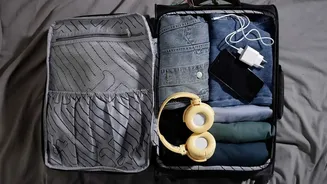
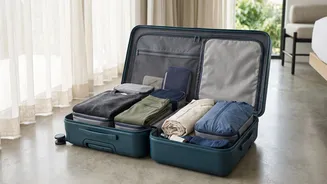
Packing cubes are non-negotiable for serious carry-on travellers. These small, zippered bags help you compartmentalise your clothing, making it easy to find what you need without tearing your entire bag apart. They also provide compression, allowing you to fit more into a smaller space. Dedicate one cube for tops, one for bottoms, and another for underwear and socks. This level of organisation is a lifesaver, especially when moving between different accommodations and climates. You can unpack and repack in minutes.