






Purity and Hallmarking: The 24K vs. 22K Divide
The most significant difference lies in purity. Gold coins are typically minted in 24 Karat (24K) gold, which is 99.9% pure, making them an investment-grade asset. Gold jewellery, on the other hand, is usually crafted from 22K or 18K gold. This isn't
a flaw; lower karat gold is mixed with alloys like copper or silver to make it more durable and suitable for intricate designs and daily wear. For either choice, always look for the Bureau of Indian Standards (BIS) hallmark. This mandatory certification guarantees the purity of the gold you are purchasing, protecting you from being overcharged. A modern BIS hallmark includes a unique six-digit alphanumeric code (HUID) that allows you to verify its authenticity.
The Cost Factor: All About Making Charges
Here is where the financial argument for coins becomes compelling. 'Making charges' are the fees for craftsmanship and design. For gold coins, which are machine-stamped with minimal labour, these charges are very low, often ranging from 1% to 4% of the gold's value. Jewellery, especially pieces with intricate designs, involves significant artistry and labour, pushing making charges anywhere from 8% to over 25%. This means for the same budget, you get more grams of actual gold when you buy a coin. Crucially, making charges are almost never recovered when you decide to sell the item, making them a sunk cost.
Resale Value and Liquidity: Which Holds Its Worth?
From a purely financial standpoint, gold coins offer a superior resale value. Because they are 24K pure and have low initial making charges, you are likely to get a price very close to the prevailing market rate for gold when you sell. Selling jewellery is more complex. The buyer will only pay for the net weight of the gold after assessing its purity, and will completely deduct the original making charges and the weight of any stones. This often results in a resale value that can be 10-15% lower than the initial purchase price. Coins are also highly liquid and easy to value, making them simpler to sell or exchange for cash.
The Emotional Connection and Wearability
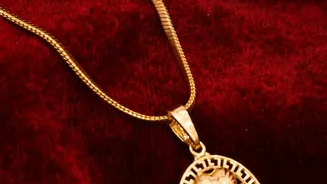
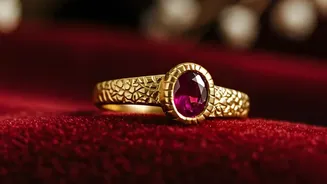
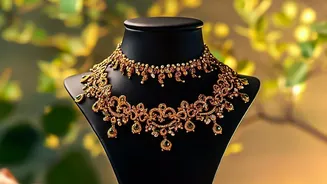
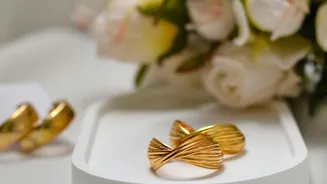
Finance isn't the only factor in gifting. Jewellery's primary advantage is its emotional and aesthetic value. A necklace or a pair of bangles is a wearable gift that can be cherished, displayed, and become a part of the recipient's life and style. It carries sentimental weight, often becoming a family heirloom passed down through generations. A coin, while valuable, is impersonal and typically sits in a locker. It functions more like a financial instrument than a personal token of affection. If the goal is to give something beautiful and memorable for an occasion like a wedding or anniversary, jewellery is often the more meaningful choice.
The Final Verdict: Investment or Adornment?
The choice ultimately boils down to your primary intention. If you are gifting with an eye on financial security and long-term investment, a 24K hallmarked gold coin is the clear winner. It offers higher purity, lower costs, and better returns. You are essentially gifting pure wealth with maximum efficiency. However, if the gift is meant to celebrate a personal milestone and you prioritise sentiment, beauty, and the joy of wearing it, then a piece of finely crafted jewellery is unmatched. It serves a dual purpose as both an asset and an object of adornment.