








The Numbers Are In
Government data released on July 13th shows that retail inflation, measured by the Consumer Price Index (CPI), rose to 4.38% in June. This is a significant climb from May's 3.93% and marks a six-month high. For the first time in nearly a year and a half,
the inflation rate has crossed the Reserve Bank of India's (RBI) medium-term target of 4%. While it remains within the RBI's tolerance band of 2-6%, the upward trend is what has economists and households paying close attention. The increase was sharper than many analysts had predicted, signalling that price pressures are building up in the economy.
The Usual Suspect: Food Prices
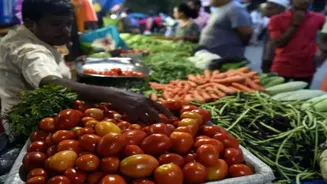
A large part of this spike is being driven by what we put on our plates. Food inflation accelerated to 5.32% in June. This isn't just a number; it's the rising cost of vegetables, pulses, and other daily essentials. Items like ginger and tomatoes have seen sharp price increases. This surge in food costs is hitting rural India particularly hard, where food inflation was even higher than in urban centres. The primary culprit behind this is a weak and erratic start to the monsoon season. June experienced a significant rainfall deficit, one of the steepest in a decade, which has disrupted sowing for key kharif crops.
The Monsoon's Crucial Role
In India, the economy doesn't just depend on financial policies; it depends heavily on the clouds. The southwest monsoon is the lifeblood of Indian agriculture, with nearly half of the country's farmland being rain-fed. A weak or delayed monsoon, as seen in June, directly impacts crop yields, leading to lower supply and higher prices. While rainfall has picked up in early July, giving some hope for kharif sowing, experts warn that the next couple of months are critical. An uneven monsoon remains a key risk, not just for food prices but for the entire rural economy, which affects the incomes of millions.
The Bigger Story: Fuel and Core Pressures
While food often grabs the headlines, the 'bigger story' in this cost squeeze lies elsewhere. A significant factor in June's inflation was the sharp rise in transport costs, which saw inflation jump from 1.75% in May to 4.31%. This was a direct result of higher domestic fuel prices, influenced by volatility in global crude oil markets linked to geopolitical tensions in the Middle East. As one of the world's largest oil importers, India is extremely sensitive to these global shocks. When fuel gets more expensive, it doesn't just cost more to fill up your vehicle; the cost of transporting all goods—from vegetables to electronics—goes up, putting upward pressure on prices across the board.
What It Means for You and the RBI
For the average household, this data confirms what is already being felt: a higher cost of living that stretches monthly budgets. From groceries to transport, the pinch is real. For the Reserve Bank of India, the situation presents a classic dilemma. The central bank's primary goal is to control inflation, but it must also ensure economic growth is not stifled. With the latest inflation print breaching the 4% target, pressure mounts. However, most economists believe the RBI will adopt a wait-and-watch approach at its next meeting in August, keeping interest rates steady for now. Policymakers will be closely monitoring the monsoon's progress and global oil prices before making any moves.