




Smarter Dishwashing in the Kitchen
The kitchen sink is often a site of significant water usage. Whether you use a dishwasher or wash by hand, there are efficient ways to clean. If you have a dishwasher, always run it with a full load. Modern dishwashers are incredibly water-efficient,
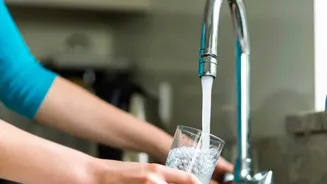
with some ENERGY STAR models using as little as 15 litres per cycle, which is often less than handwashing. Scrape food off plates rather than pre-rinsing them under a running tap; today's detergents are powerful enough to handle the job. If washing by hand, adopt the two-basin method. Fill one sink or basin with soapy water for washing and a second with clean water for rinsing. This prevents the need for a constantly running tap, which can use over six litres of water per minute. Soaking heavily soiled pots and pans before scrubbing also reduces the water and effort needed to get them clean.
Efficient Laundry Practices
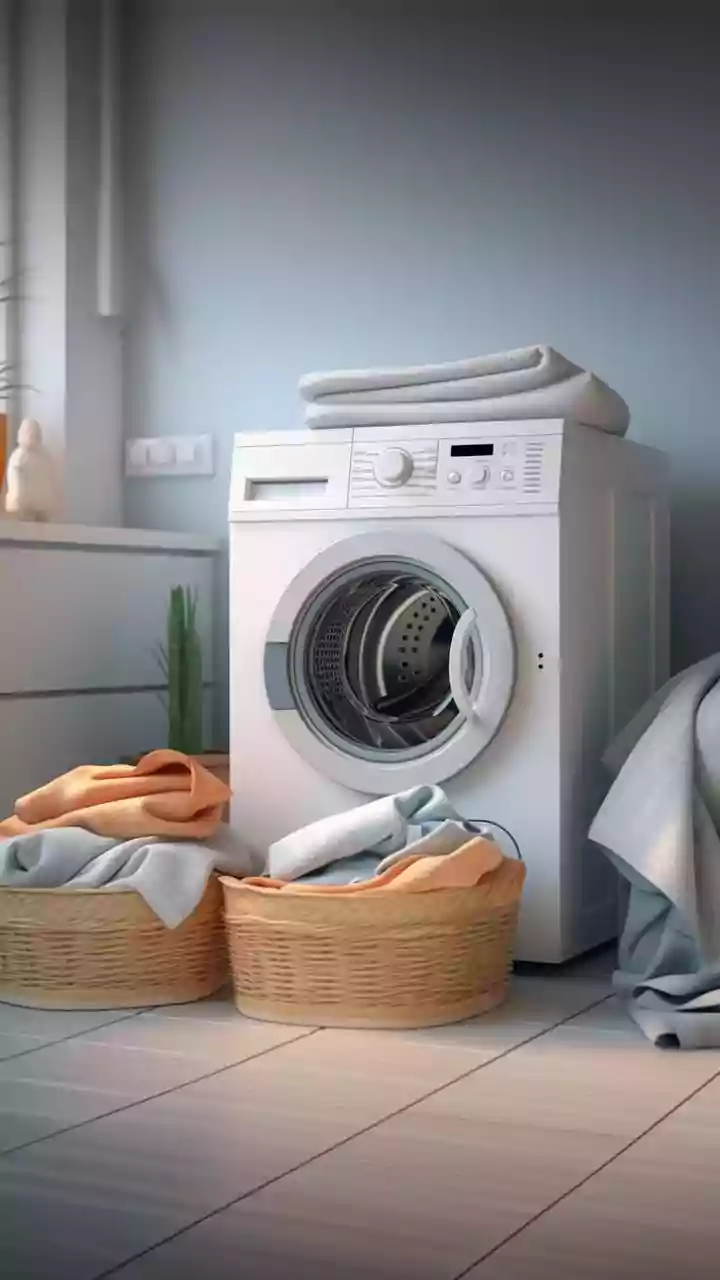
Your washing machine is another major water consumer at home. The single most effective way to save water here is to only run the machine when you have a full load. Washing several small loads uses significantly more water than one large one. If you must wash a smaller amount, be sure to use your machine’s load size setting to match the water level to the amount of clothes. Consider your clothing habits as well. Towels and jeans can often be worn or used more than once before they need washing. When you do wash, pre-treating stains can prevent the need for a second wash cycle. Also, unless absolutely necessary, skip the extra rinse cycle on your machine. For an added bonus, the collected wastewater from your RO filter can often be repurposed for laundry or mopping floors.
Water-Wise General Cleaning
When it comes to mopping floors, cleaning surfaces, or washing your vehicle, the bucket is your best friend. Using a running hose to clean driveways or cars can waste hundreds of litres of water. Instead, use a bucket of soapy water and a sponge for scrubbing. For rinsing, a bucket of clean water or a hose with a trigger nozzle will give you control over the flow. The same principle applies indoors. When mopping, use a bucket rather than rinsing the mop under a running tap. For cleaning countertops and other surfaces, a spray bottle with a cleaning solution is much more efficient than using a soaked, dripping cloth that requires constant rinsing. Another simple but effective habit is collecting the water that runs while you wait for it to get hot; this clean water can be used for cleaning tasks or watering plants.
Reusing Water: A Simple Habit
One of the most impactful shifts in mindset is to see water as a reusable resource. The water you use to rinse fruits and vegetables, for example, is perfectly fine for watering your indoor and outdoor plants. Keep a container in the kitchen sink to collect this water instead of letting it run down the drain. This 'greywater' from the kitchen, as well as from certain laundry rinse cycles (if using eco-friendly detergents), can significantly reduce your reliance on fresh water for secondary tasks. This simple habit of collecting and reusing water not only conserves a precious resource but also instills a mindful approach to consumption that can extend to other areas of your life.