




The Science of Slow, Even Heat
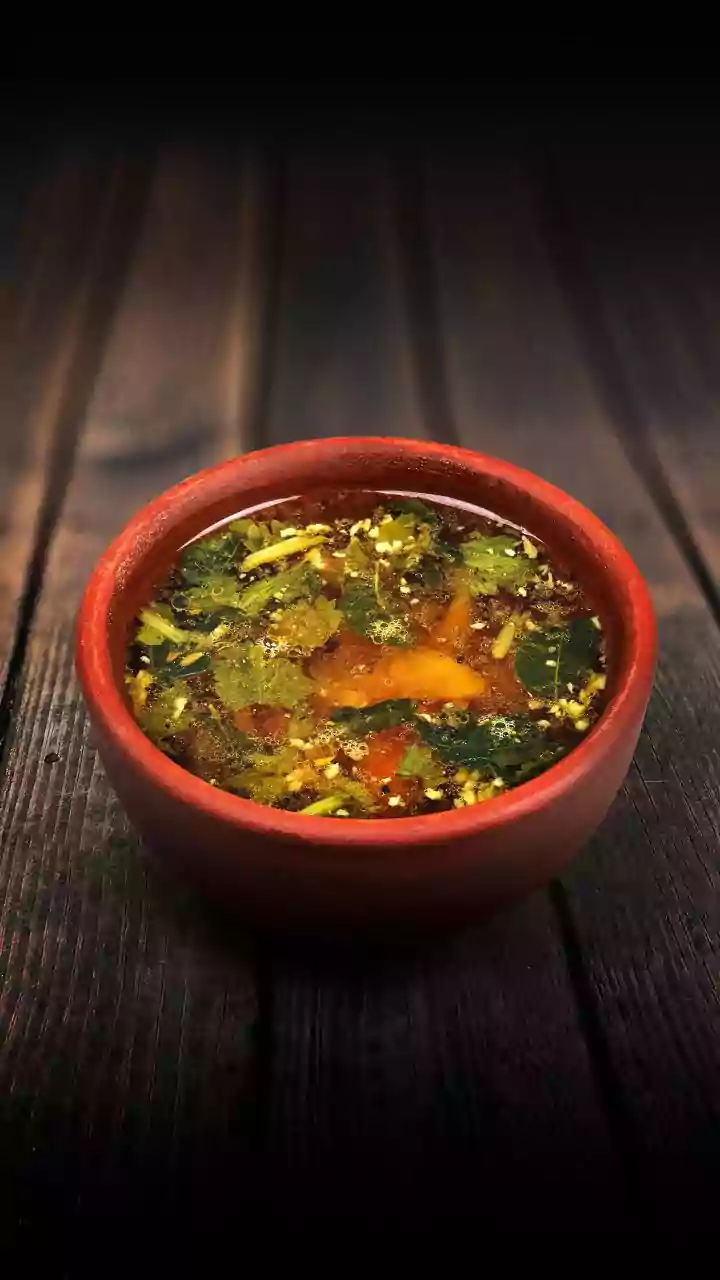
Unlike metal pots that heat up quickly and can create hot spots, clay is porous and distributes heat slowly and evenly. This gentle, consistent heat is crucial. It cooks food thoroughly without the harsh temperatures that can destroy delicate nutrients.
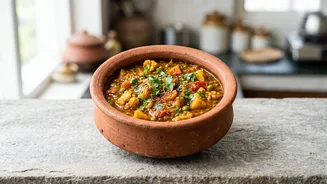
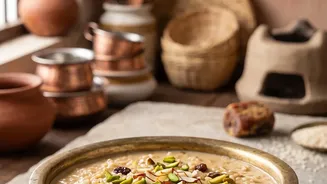
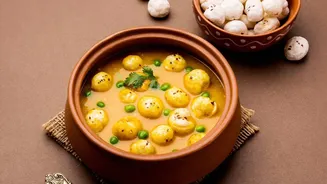
The slow cooking process allows ingredients in dishes like sambar, dal, or biryani to simmer in their own juices, preserving their integrity and moisture. This means dishes require less oil to prevent sticking, making meals naturally lower in fat.
Preserving More Essential Nutrients
One of the most significant health benefits of clay pot cooking is superior nutrient retention. High temperatures in metal cookware can degrade heat-sensitive vitamins, such as Vitamin C and various B vitamins. The slow, moist-heat environment inside an earthen pot, or 'handi', is much gentler. Its porous nature allows steam to circulate, effectively steaming the food and locking in water-soluble nutrients that would otherwise escape. The result is food that is not only tastier but also richer in the vitamins and minerals that are essential for good health.
A Natural Alkaline Advantage
Modern diets are often high in acidic foods. Clay is naturally alkaline, and this property can help balance the pH of your meals. When you cook acidic ingredients like tomatoes, tamarind, or vinegar in a clay pot, the alkaline nature of the clay interacts with the food, subtly neutralizing some of the acidity. This can make the final dish gentler on the stomach, potentially reducing issues like acid reflux and bloating for sensitive individuals. The food becomes easier to digest, contributing to better overall gut health.
Enhancing Flavour Without the Unwanted Extras
Ask anyone who has eaten dal cooked in a clay pot, and they will tell you it just tastes better. The earthy aroma and enhanced flavour are undeniable. Because the pot circulates moisture, ingredients stew in their own juices, deepening their natural tastes and requiring less salt and added fats for flavour. Furthermore, unglazed clay pots are free from chemical coatings. Some modern non-stick pans can release synthetic chemicals when overheated, while certain metal utensils, like those made from aluminum or lower-grade stainless steel, may leach metals into food, especially when cooking acidic dishes. Pure clay pots offer a non-reactive and toxin-free cooking surface.
Getting Started with Earthen Cookware
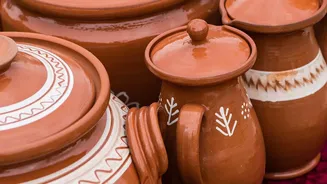
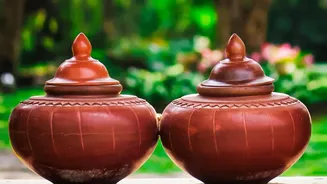
Making the switch to clay requires a little care, but the rewards are worth it. Before its first use, a new clay pot needs to be seasoned. This typically involves soaking it in water overnight, which strengthens the pot and prevents it from cracking with sudden temperature changes. Some methods also involve soaking in rice water or rubbing the pot with oil and sun-drying it. When cooking, always start on a low flame and increase the heat gradually. For cleaning, avoid harsh soaps and abrasive scrubbers which can be absorbed by the porous clay. A simple scrub with warm water, and perhaps some baking soda for stubborn smells, is usually all that is needed.