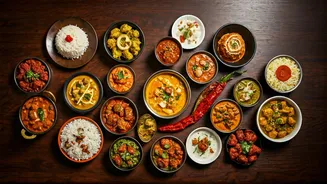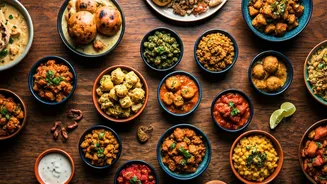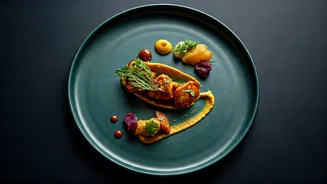





What Exactly Is ‘Story-Led’ Food?
For years, ‘regional food’ meant a predictable rotation of dishes from major states. But a new wave of chefs and restaurants is pushing beyond that. Story-led cuisine is about diving deeper into a specific micro-region, community, or even a single family’s
history. It’s food with a point of view. Think of a dish that not only comes from Nagaland but tells the story of a specific tribe’s foraging practices, or a curry that revives a forgotten recipe from a royal kitchen in Rampur. The ingredient list is a cast of characters, the cooking method is the plot, and the final dish is a delicious narrative. It’s about understanding the ‘why’ behind the food—why this spice, why this technique, and why it matters to the people who created it.
From Forest and Coast to Your Plate
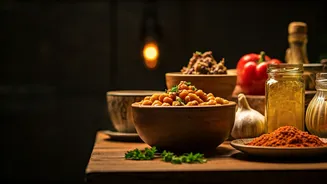
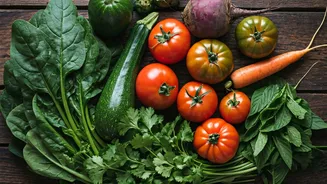
A key pillar of this movement is its obsession with hyperlocal ingredients. Chefs are going beyond the wholesale market to source directly from farmers, foragers, and fishermen who specialise in unique, place-specific produce. This could mean using bhangjeera (hemp seeds) from the hills of Uttarakhand, black rice from Manipur, or a specific variety of sour kokum from a coastal village in Maharashtra. This isn’t just for novelty; these ingredients are the bedrock of the stories being told. For instance, a restaurant focusing on the food of the Coorg region might build a menu around kachampuli, the dark, sour vinegar unique to the area, explaining its role in preserving meat in the hilly terrain. This focus on provenance connects the diner directly to a specific geography and ecology, making the meal an act of discovery.
Reviving India’s Culinary Ghosts
India’s culinary history is vast, but so much of it has been lost to time or homogenisation. The story-led food trend is acting as a powerful force for culinary preservation. Chefs are becoming food historians, travelling to remote villages, poring over old texts, and speaking with grandparents to unearth recipes and techniques on the brink of extinction. We are seeing the revival of dishes from communities like the Kayastha or the Anglo-Indians, whose distinct cuisines were previously confined to home kitchens. By bringing these dishes into a modern restaurant setting, chefs are not only offering diners a new taste but are also creating a living archive of India's culinary heritage, ensuring these rich traditions don’t disappear.
Why We’re Craving Stories Now
So, why is this happening now? The trend is a response to several cultural shifts. Firstly, there's a growing fatigue with generic, globalised fine dining. Diners are looking for something more authentic and meaningful. Secondly, there’s a rising sense of pride in local and regional identities across India. People are more curious than ever about their own diverse heritage. Finally, the digital age has made us crave tangible connections. A meal that tells a story of a place, a person, or a tradition feels real and grounding in a world that’s increasingly virtual. It’s an experience that can’t be replicated, offering a genuine connection to the hands that grew the food and the culture that shaped the recipe.