







The Daily Grind’s Hidden Cost
In bustling metros like Mumbai, Bengaluru, and Delhi, the demand for a daily caffeine fix is insatiable. This results in a significant environmental challenge: what to do with the tonnes of spent coffee grounds (SCGs) produced by cafes and households.
When brewing coffee, less than 1% of the coffee bean's biomass ends up in the cup. The remaining 99%, a nutrient-rich organic material, is typically discarded. When sent to landfills, this organic waste decomposes and releases methane, a potent greenhouse gas. This process contributes to air pollution and climate change, turning a beloved daily ritual into a source of environmental strain. The sheer volume of this waste represents a missed opportunity, a valuable resource waiting to be repurposed.
From Waste to Fungi
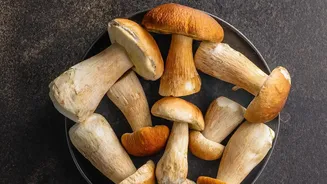
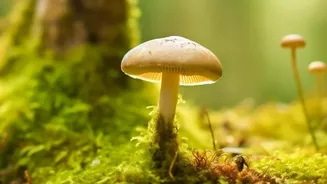
Enter the humble mushroom. It turns out that spent coffee grounds are a near-perfect substrate for cultivating certain types of mushrooms, especially gourmet varieties like oyster mushrooms. The brewing process conveniently pasteurises the grounds, using hot water to kill off most competing moulds and bacteria. This means the grounds can be used to grow mushrooms without the costly and energy-intensive sterilisation process that other substrates, like sawdust or straw, require. The grounds are still packed with nitrogen and other essential nutrients that mushroom mycelium—the root-like network of the fungus—thrives on. Innovators simply need to collect fresh grounds, mix them with mushroom spawn, and provide the right conditions for growth.
The Circular Economy in Action
This process is a prime example of a circular economy, where waste from one system becomes the raw material for another. Agri-tech startups and urban farming enthusiasts in Indian cities are beginning to explore this model. They partner with local cafes to collect SCGs, diverting hundreds of kilograms of waste from landfills each week. In controlled urban farm setups—from shipping containers to warehouse shelves—this 'waste' is packed into bags with spawn. Within three to six weeks, clusters of fresh, edible mushrooms are ready to be harvested. These mushrooms are then sold to local restaurants, grocers, and directly to consumers, often in the very same neighbourhoods where the coffee was originally consumed.
More Than Just Mushrooms
The benefits extend far beyond a novel food source. This method of urban agriculture drastically reduces 'food miles,' the distance food travels from farm to plate, which in turn lowers carbon emissions. It provides city dwellers with access to incredibly fresh, locally grown produce. Furthermore, the cycle doesn't end with the mushroom harvest. The leftover substrate, now enriched by the mycelium, is a fantastic organic compost that can be used to fertilise community gardens and urban green spaces. Some international innovators are even developing the post-harvest material into biodegradable packaging and insulation tiles, demonstrating a truly zero-waste system.
Challenges on the Path to Scale
Despite its potential, scaling up this model presents challenges. The logistics of collecting fresh coffee grounds daily can be complex, as the grounds can grow unwanted mould if left for too long. Establishing a consistent supply chain with numerous small cafes requires significant coordination. Moreover, maintaining the precise temperature and humidity for optimal mushroom growth requires investment in controlled environments. For startups, educating the market and building a customer base for a new category of hyper-local food is another hurdle. However, as the urban farming trend grows across India, supported by government initiatives and rising consumer interest in sustainability, these challenges are becoming easier to overcome.