

Why Whole Spices Reign Supreme
The first thing to understand is why chefs and experienced home cooks insist on using whole spices for dishes like pulao and biryani. Unlike their ground counterparts, whole spices like cinnamon sticks, cardamom pods, and cloves retain their essential
oils for much longer. When heated, they release these aromatic compounds slowly and gently, infusing the rice with a complex, layered fragrance that ground spices simply cannot replicate. Ground spices release their flavour all at once and can sometimes become bitter or muddy the texture of the dish if not used carefully. Using whole spices gives you more control and a more authentic, nuanced aroma.
The Tadka: Blooming Spices in Fat
The most common technique for flavouring rice is the 'tadka' or 'chaunk', which involves blooming the spices in hot fat like ghee or oil. This is a crucial first step. Heating the spices in fat extracts their fat-soluble flavour compounds and distributes that aromatic oil throughout every grain of rice. The process is simple: heat your oil or ghee over a medium flame, add your whole spices, and let them sizzle for 30 seconds to a minute until they become fragrant. You'll often add heartier spices like cinnamon and star anise first, followed by quicker-cooking ones like cumin seeds. Once they are aromatic—but not burnt—you can proceed by adding onions, followed by the soaked rice itself, coating it in the flavourful fat before adding water.
The 'Potli' Method: Flavour Without the Bite
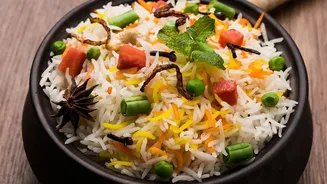
The single biggest complaint about whole spices is accidentally biting into one. The most elegant solution is the 'potli masala' or spice bag. This is essentially an Indian bouquet garni. You simply gather your whole spices—like cardamom, cloves, cinnamon, bay leaves, and star anise—and tie them securely in a small piece of clean muslin or cheesecloth. This bundle is then dropped into the pot with the water and rice. It infuses the dish with all its aromatic goodness, and once the rice is cooked, you simply lift the bag out and discard it. This technique is a cornerstone of Awadhi cuisine, famous for its delicately perfumed biryanis, and ensures a smooth, pleasant eating experience without any 'spice surprises'.
To Remove or Not to Remove?
If you don't use a potli, you're left with a decision: what to do with the spices in the finished dish? In most Indian households, people are accustomed to eating around them, simply pushing a stray clove or cardamom pod to the side of the plate. Some spices, like cumin seeds, are small enough to be eaten. Larger, tougher ones like cinnamon sticks, bay leaves, and star anise are easy to spot and remove before serving. A practical tip is to count the number of spices you add to the pot. If you put in four green cardamom pods and two cloves, you can try to fish those six pieces out at the end. For guests who may be unfamiliar with this, a simple heads-up is always appreciated.
Building Your Spice Palette
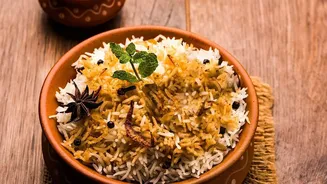
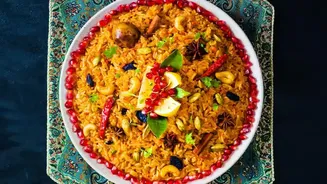
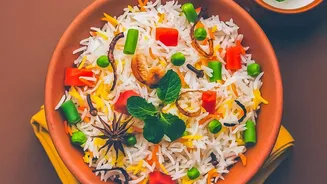
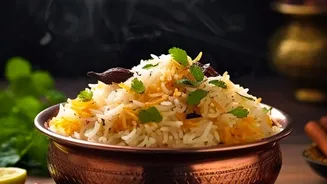
While recipes vary, a classic combination for flavouring basmati rice often includes a stick of cinnamon, a few green cardamom pods, a couple of cloves, and a bay leaf. Star anise adds a lovely, sweet licorice note, while black cardamom offers a smokier depth. When starting out, it's best to be conservative. The flavour of whole spices can be potent. Begin by using just a few, like a small piece of cinnamon and two cardamom pods, to understand their impact. As you get more comfortable, you can experiment with adding more complex elements. The goal is a balanced aroma that complements the delicate flavour of the basmati rice, rather than overpowering it.