



Beyond the Textbook
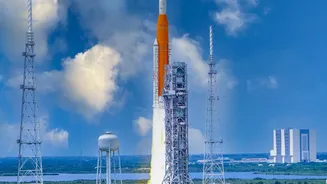
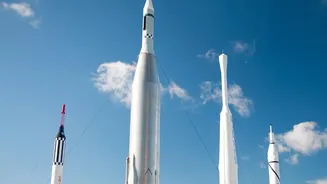
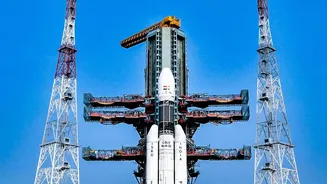
Classroom learning provides the foundation for scientific knowledge, but seeing science in action is what truly brings it to life. When students witness the scale of a Polar Satellite Launch Vehicle (PSLV) or see models of satellites that enable everyday
communication, abstract concepts from physics and mathematics suddenly become tangible realities. This form of experiential learning bridges the gap between theory and practice, helping to demystify complex subjects. A trip to an Indian Space Research Organisation (ISRO) facility, such as the Satish Dhawan Space Centre (SDSC) in Sriharikota or the Vikram Sarabhai Space Centre (VSSC) in Thiruvananthapuram, transforms textbook diagrams into towering achievements of engineering. This experience helps students see the real-world application of what they learn in school, which can significantly boost engagement and retention.
The Power of Interactive Learning
Modern science and space museums are designed to be hands-on, interactive environments that spark curiosity. Exhibits on rocket propulsion, orbital mechanics, and satellite technology often allow students to engage directly with the principles they are learning about. Instead of passively reading, they are actively participating—posing questions, experimenting, and solving problems. This active involvement caters to different learning styles and fosters critical thinking and problem-solving skills, which are essential for any STEM career. Many ISRO centres feature dedicated space museums with detailed models and exhibits that are accessible to students, making complex topics understandable and exciting.
Meeting the Trailblazers
One of the most inspiring aspects of a visit to a space centre is the potential to interact with the scientists and engineers behind India's celebrated space missions. Listening to their experiences and understanding the challenges they overcome provides powerful, real-world context that a classroom lecture cannot replicate. These interactions offer students a glimpse into the wide array of careers available within the space sector, from aeronautics and avionics to materials science and systems reliability. For many students, especially those from rural or under-represented backgrounds, meeting these professionals can be a formative experience, showing them that a career in STEM is an achievable goal.
Connecting with India's Space Story
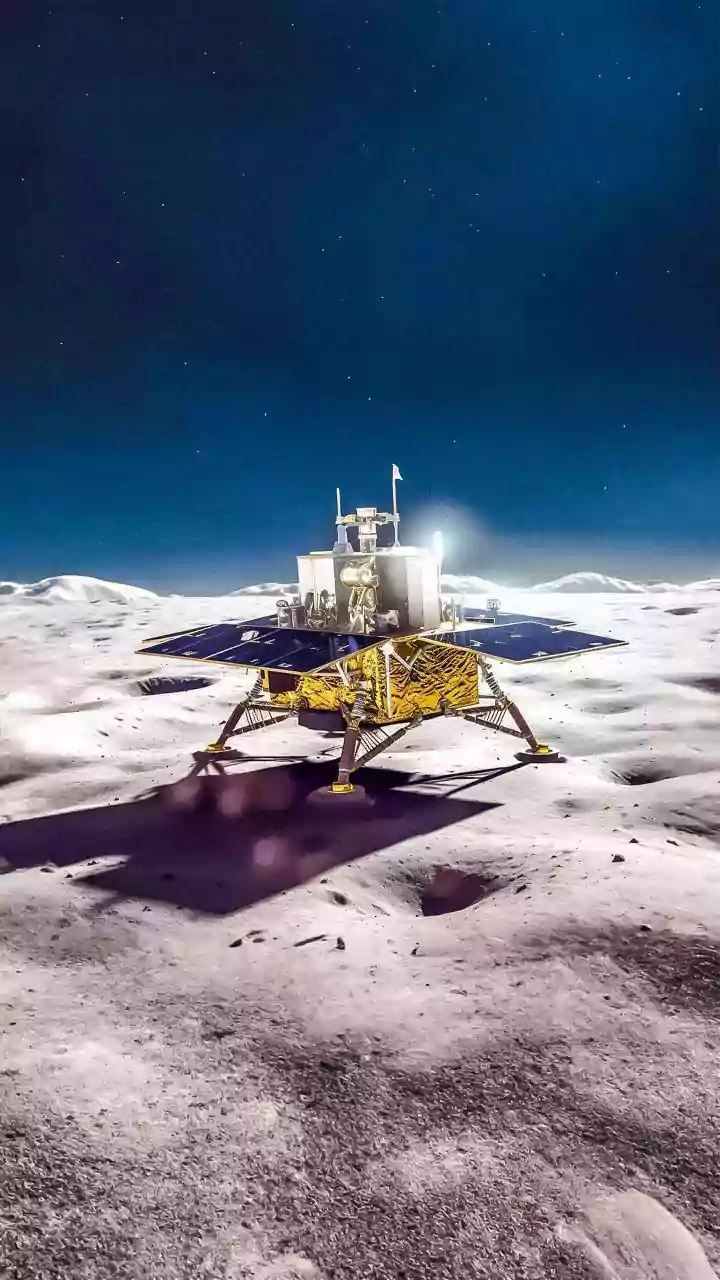
A visit to an ISRO facility is more than just a science lesson; it's a lesson in national pride and achievement. Witnessing the infrastructure that has launched historic missions like Chandrayaan and Gaganyaan connects students to a larger narrative of Indian innovation and resilience. The success of these missions has already ignited immense curiosity among the nation's youth. By visiting the launch pads at Sriharikota or the development labs at VSSC, students become part of that story. This sense of connection can be a powerful motivator, encouraging them to see themselves as future contributors to India's scientific legacy.
Nurturing the Initial Spark
A single visit can plant a seed of interest, but nurturing it is key. ISRO facilitates this through numerous outreach initiatives designed to keep students engaged. Programmes like the "Young Scientist Programme" (YUVIKA) offer immersive, two-week residential courses for school children, providing hands-on activities, lab visits, and interactions with senior scientists. Furthermore, the ISRO STEM portal provides online courses, interactive sessions, and a virtual museum to continue the learning journey long after the visit is over. These follow-up opportunities are crucial for converting a day of inspiration into a dedicated pursuit of a STEM-based career.