




The Real Price of Flying
On paper, a flight is faster. A journey from Delhi to Varanasi is around 90 minutes in the air versus eight hours on a chair car. But the calculus changes when you factor in the entire door-to-door experience. For a millennial traveller, time isn't just
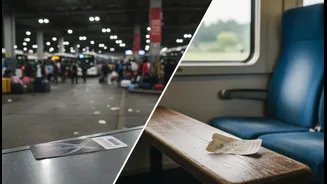
about the duration of the flight; it's the two hours spent navigating airport security, the expensive cab ride to an airport located miles outside the city, and the rigid baggage limitations. When you add it all up, an overnight train that departs from a central station and arrives in the heart of the destination city starts to look incredibly efficient. You trade the stress of multiple checkpoints for the simplicity of arriving 20 minutes before departure, finding your berth, and waking up where you need to be.
A New Definition of Travel Time
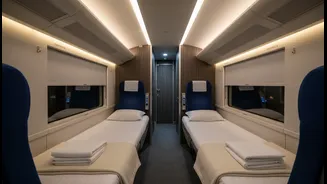
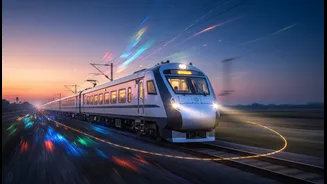
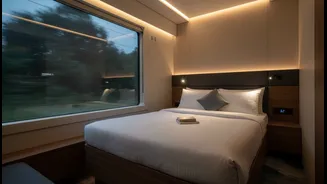
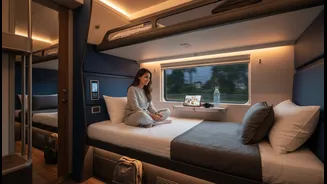
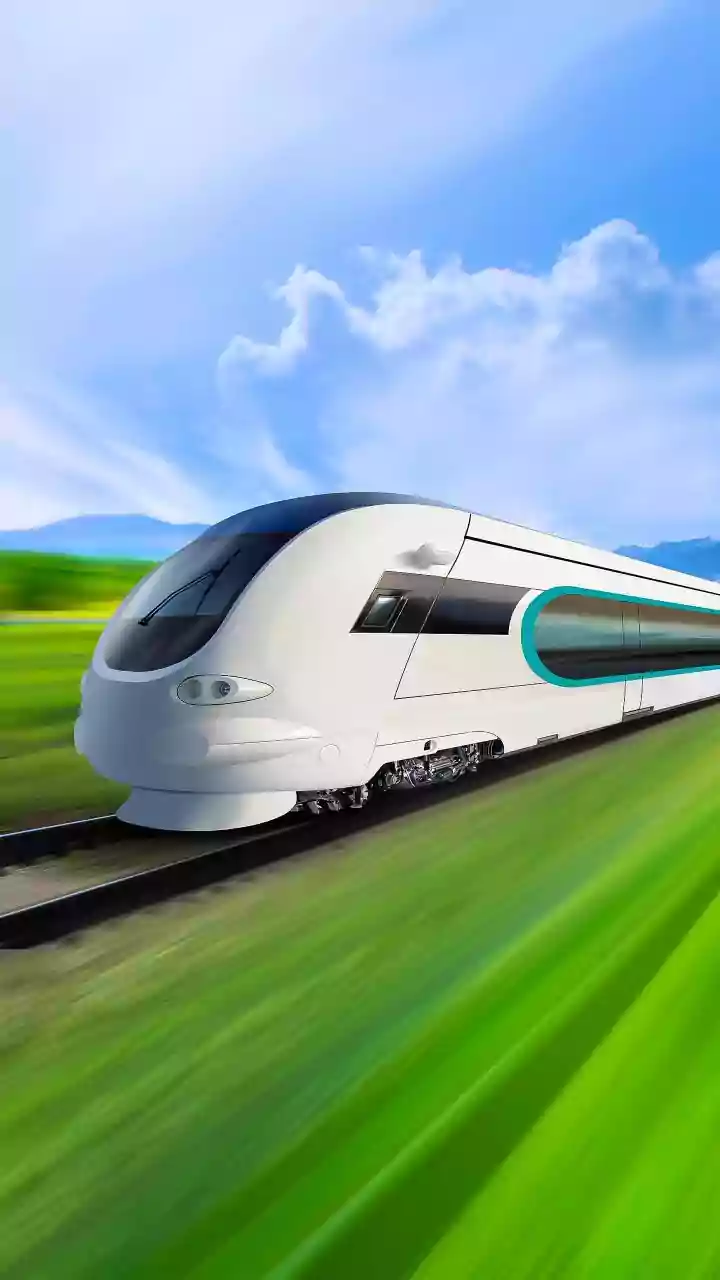
The Vande Bharat sleeper, which began its services in January 2026, redefines productivity for a generation that blends work and life. An overnight journey is not 'wasted' time. It's eight to ten hours of potential sleep, uninterrupted work thanks to onboard Wi-Fi and power outlets, or simply relaxing without the constant announcements and cramped seating of a budget airline. For a generation accustomed to 'workations' and valuing experiences over possessions, the journey itself becomes part of the trip. Instead of a frantic rush, it’s a seamless transition. You finish your workday, board a train, have dinner, sleep in a comfortable, air-conditioned berth, and are ready for a new day upon arrival.
The Appeal of Bypassing Airport Hassles
The headline feature is the absence of airport-style friction. While Indian Railways is upgrading security at major stations, the process remains fundamentally less invasive and time-consuming than at airports. There are no mandatory liquid restrictions, no need to unpack electronics, and baggage allowances are significantly more generous—up to 40 kg for AC Three Tier, compared to the standard 15 kg on most domestic flights. This resonates deeply with millennials who value fluid, low-stress experiences. Skipping the long check-in lines, the multi-layered security screenings, and the 'gate lice' phenomenon is a powerful incentive. It represents a more civilised and respectful way to travel, where the passenger is treated as a guest, not a security risk.
Cost, Comfort, and a Clear Conscience
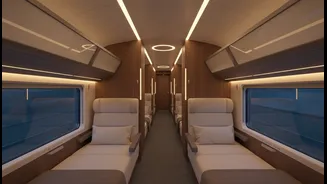
The financial argument is compelling. Fares for the Vande Bharat sleepers are designed to be competitive. A 3AC ticket for a journey of around 800 km costs approximately ₹1,920, while a flight on the same route, once ancillary costs like baggage fees and airport transport are included, can easily be double or triple that amount. But it's not just about being cheaper. The new sleeper coaches offer a significant upgrade in comfort, with modern interiors, better suspension for a smoother ride, and enhanced safety features. Furthermore, for an environmentally aware generation, the choice is also a statement. Train travel has a considerably smaller carbon footprint than air travel, adding a layer of ethical satisfaction to the decision.