






More Than Just Fine Print
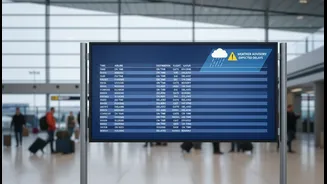
It used to be that the most attention a traveller paid to an airline advisory was a cursory glance at the pre-flight safety demonstration. For years, these announcements were largely ignored. Today, however, advisories—ranging from flight status updates
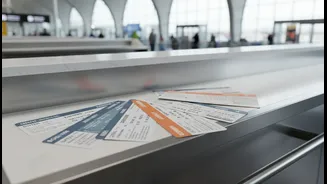
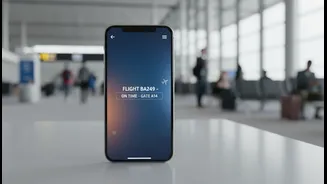
and baggage fee changes to major safety warnings—have moved from the periphery to the very center of the travel experience. It’s no longer just about knowing where the emergency exits are; it's about tracking aircraft maintenance records, deciphering fare rules, and monitoring real-time flight updates on social media. This hyper-awareness signifies a fundamental evolution in traveller behaviour, turning passive passengers into active, information-seeking participants in their own journeys.
The Post-Pandemic Reset
The COVID-19 pandemic acted as a powerful catalyst for this change. The constant flux of rules, last-minute cancellations, and health requirements trained a generation of travellers to be hyper-vigilant. The familiar process of travel was replaced by a landscape of uncertainty, heightening anxiety for many. This era fostered a new kind of passenger: the 'flexi-flyer,' who now demands adaptable travel plans and comprehensive information to feel in control. This new mindset, born from navigating unprecedented disruption, has persisted. Travellers now proactively seek out information, not as a matter of preference, but as a necessary tool for managing the inherent unpredictability of modern travel.
From Niche Forums to Mainstream News
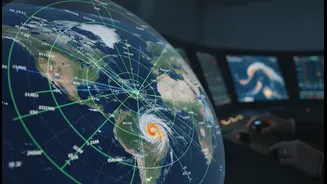
Recent high-profile safety incidents involving major aircraft manufacturers have thrust technical details once confined to aviation forums into the public consciousness. A 2024 poll revealed that after hearing about such incidents, over half of travellers said they would change their behaviour for future flights. This includes actively researching the type of aircraft before booking and seeking out airlines with transparent safety records. What was once insider knowledge is now a key factor in consumer decision-making. This heightened scrutiny means airlines are under more pressure than ever to communicate transparently, not just during a crisis, but as a standard part of their operation.
The Social Life of an Advisory
Social media has become a critical channel for both airlines and passengers. Airlines use platforms like X (formerly Twitter) for real-time crisis management and customer service, addressing everything from flight delays to policy changes. For travellers, these platforms offer a space to share information, ask questions, and validate concerns. An airline advisory is no longer a one-way communication; it’s a conversation starter. A fare glitch, a new baggage fee, or a viral video of an airport disruption can spread globally in minutes, shaping public perception and even influencing airline policy. This digital ecosystem has turned advisories into dynamic, interactive content that is discussed, debated, and even memed into the cultural lexicon.
Anxiety and Agency in the Information Age
At its core, this intense focus on advisories is about managing anxiety by seeking control. In an era where travel can feel increasingly chaotic—with staff shortages, operational challenges, and packed airports—information becomes a currency of empowerment. By tracking a flight, knowing the baggage rules in advance, or understanding a destination's entry requirements, travellers can mitigate potential stress and regain a sense of agency. While this constant vigilance can be tiring, it also represents a more informed and prepared passenger. The modern traveller may be more anxious, but they are also more empowered, using the very advisories that highlight potential problems as tools to ensure a smoother journey.