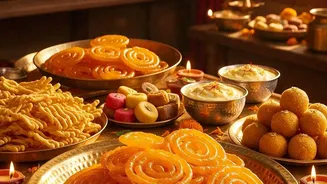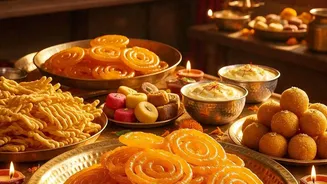

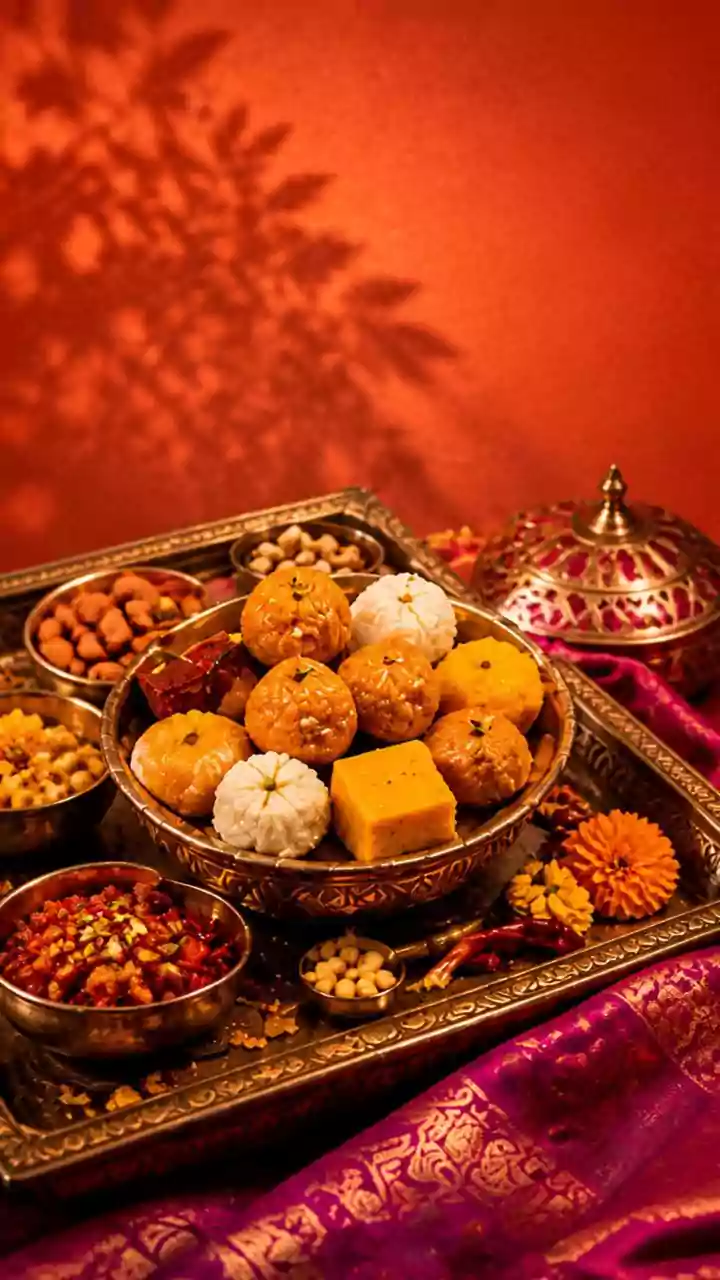



As Diwali approaches, the air fills with joy and the aroma of festive cooking. Making mithai at home is a cherished tradition, bringing families together. Here are some classic sweets to fill your kitchen with warmth and flavour this season.
The Quintessential Besan Ladoo
Besan Ladoo
is a cornerstone of Diwali celebrations in many North Indian households. This simple, aromatic sweet is made from just a few core ingredients: gram flour (besan), ghee, and powdered sugar. The magic lies in the process. The key is to patiently slow-roast the besan in ghee until it turns a beautiful golden-brown and releases a nutty fragrance that is unmistakably festive. Rushing this step is the most common mistake; low and slow heat is crucial to cook the flour evenly without burning it. Once the mixture has cooled to a warm temperature, powdered sugar and ground cardamom are mixed in. Adding sugar while the besan is hot will cause it to melt and create a sloppy texture. The warm, greasy mixture is then shaped by hand into dense, delicious balls. These ladoos are not just a treat; they are a symbol of prosperity and are often offered to Lord Ganesha.
The Elegant Kaju Katli
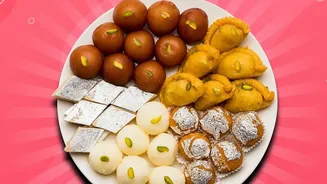
Often called the 'king of sweets', Kaju Katli, or cashew fudge, is a luxurious mithai synonymous with Diwali gifting. Its smooth, melt-in-the-mouth texture comes from finely powdered cashews cooked with sugar syrup. The process starts by grinding raw, room-temperature cashews into a fine powder, being careful not to over-grind them into a paste. This powder is then added to a sugar syrup that has been boiled briefly. The mixture is cooked on low heat with a bit of ghee until it thickens and forms a dough-like consistency. This dough is then kneaded while still warm to achieve a smooth texture before being rolled out thinly between sheets of parchment paper. Traditionally, it's decorated with an edible silver leaf (varak) before being cut into its signature diamond shape. While it seems sophisticated, homemade Kaju Katli is achievable for home cooks who follow the steps carefully.
The Crispy, Crescent-Shaped Gujiya
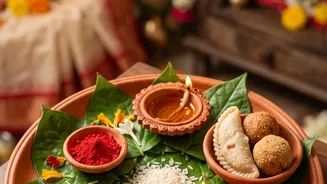
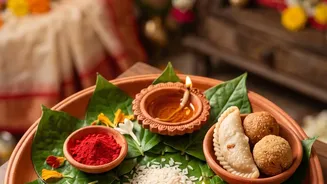
Gujiya, a sweet fried pastry, is a festive staple, especially during Diwali and Holi. Shaped like a half-moon, it features a crispy, flaky crust made from all-purpose flour (maida) and a rich, sweet filling. The traditional filling is a delightful mixture of khoya (milk solids), grated coconut, semolina (suji), and a variety of chopped nuts like almonds and pistachios, all sweetened and scented with cardamom. The preparation can be a wonderful family activity, with some rolling the dough and others carefully stuffing and sealing the crescent pockets. Sealing them properly is key to preventing the filling from spilling out during frying. The dumplings are then deep-fried in ghee or oil until they are golden and crisp. The history of Gujiya is thought to date back centuries, with some theories linking it to Turkish Baklava or even a sweet version of the samosa.
The Rich and Fudgy Barfi
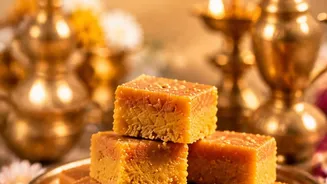
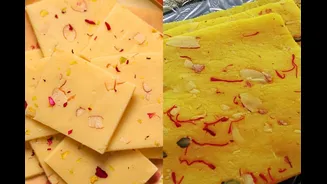
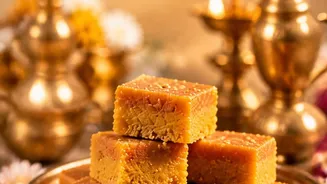
Barfi is a dense, milk-based fudge and one of the most versatile Indian sweets. Platters filled with neatly cut squares or diamonds of barfi are a common sight during Diwali. The base is typically made by cooking down milk solids (khoya or mawa) or milk powder with sugar and ghee. From there, the variations are endless. Besan Barfi is a classic North Indian version with the nutty taste of roasted gram flour. Coconut Barfi, often made with condensed milk and desiccated coconut, is incredibly quick and easy. For a nuttier version, Almond or Pistachio Barfi involves adding ground nuts to the base mixture. The sweet is cooked until it thickens, then poured into a greased tray to set before being cut. It's a forgiving sweet for beginners and a perfect canvas for different flavours and textures.
The Comforting Bowl of Kheer
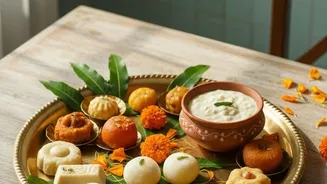
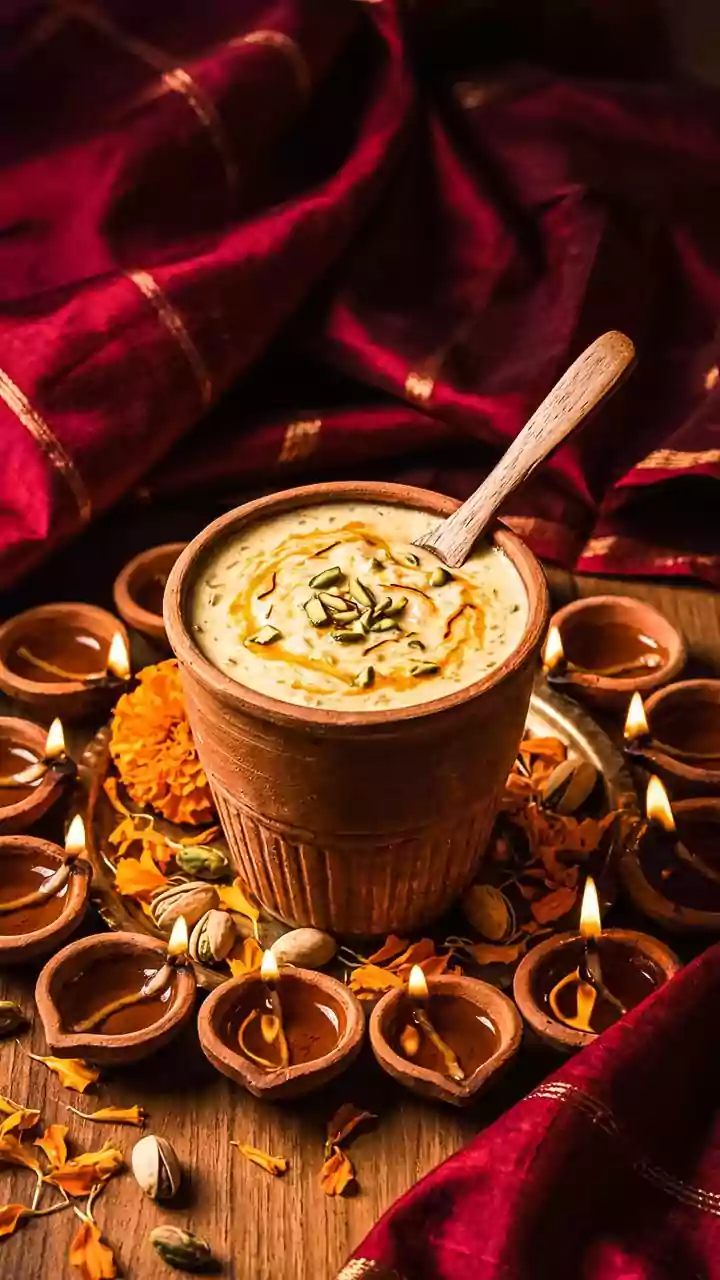
No Indian celebration feels complete without a puddingstly dessert, and Kheer is the ultimate comfort food. This creamy rice pudding is made by simmering rice (often fragrant basmati) in milk until it becomes soft and the milk thickens. It is then sweetened with sugar and delicately flavoured with cardamom powder and saffron strands, which also give it a beautiful pale yellow hue. A generous garnish of slivered nuts like almonds and pistachios adds a delightful crunch. While rice kheer is the most traditional, there are many variations, such as those made with vermicelli (Seviyan Kheer) or semolina. Paneer Kheer is another easy and rich version that can be made in under 15 minutes. Served warm or chilled, Kheer is a soothing and beloved dessert that brings a sense of tradition to the festive table.